Gentle Cleansers: How to Spot a Real One Beyond the Marketing

"Gentle" is not a defined term. No agency approves it, no test qualifies a product for it, and a brand can print it on whatever formula it likes. The back of the bottle is where the answer sits, and four things there predict how a cleanser will treat your face.
Key Takeaways
- The word commits a brand to nothing. The FDA does not approve cosmetic claims before products go on sale and keeps no list of accepted ones. The single standing limit is that a claim be truthful and not misleading.
- Surfactant class does not settle it. Sodium lauryl sulfate and sodium cocoyl isethionate are both anionic, and one is dermatology's standard irritant while the other is used for its skin compatibility.
- pH is the one number worth chasing. Skin's own surface sits near 4.7. True soap runs 9 to 10, and synthetic detergent bars sit at 5.5 to 7.
- Fragrance-free is a harder test than gentle. Essential oils are fragrance ingredients, and "unscented" means a scent was covered up rather than left out.
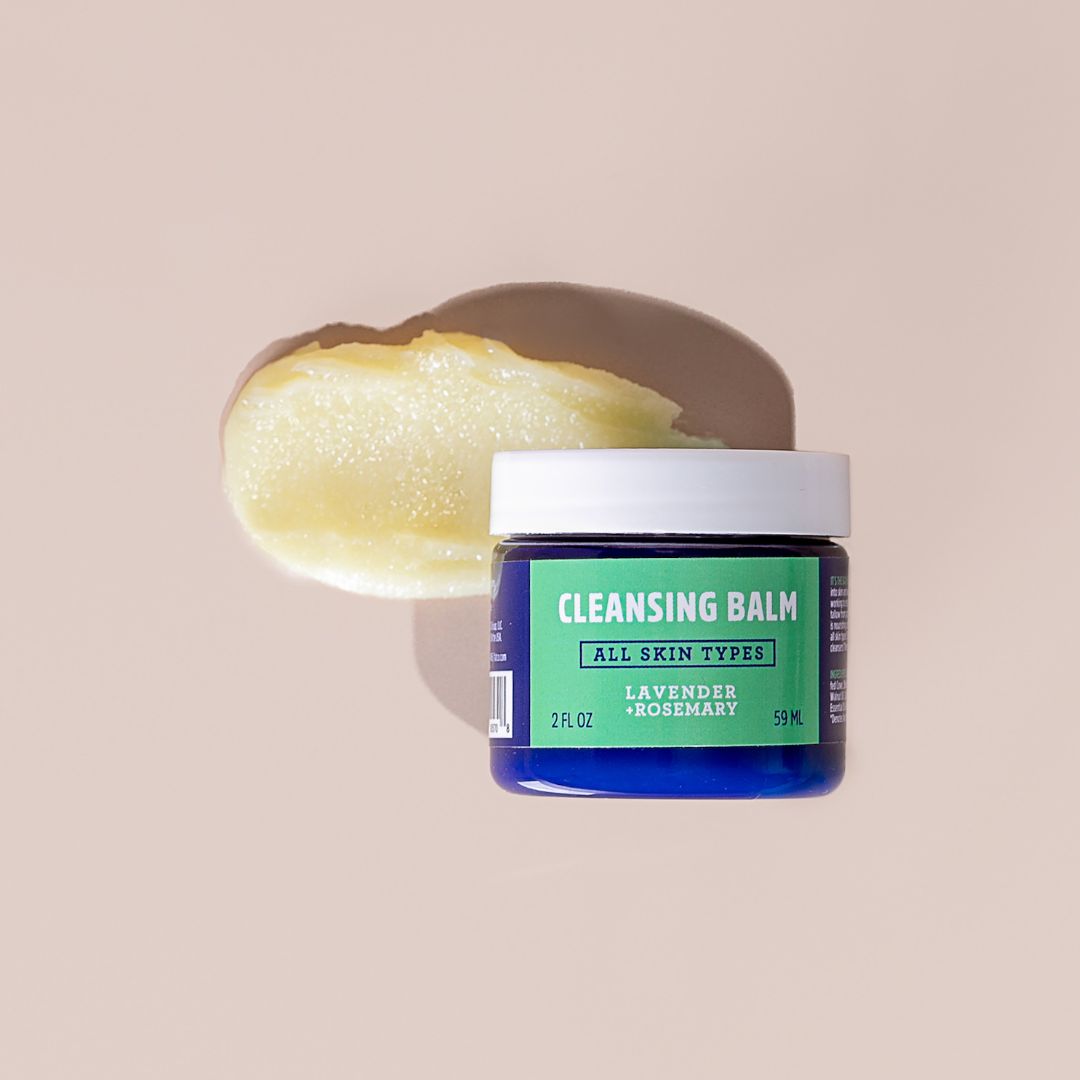
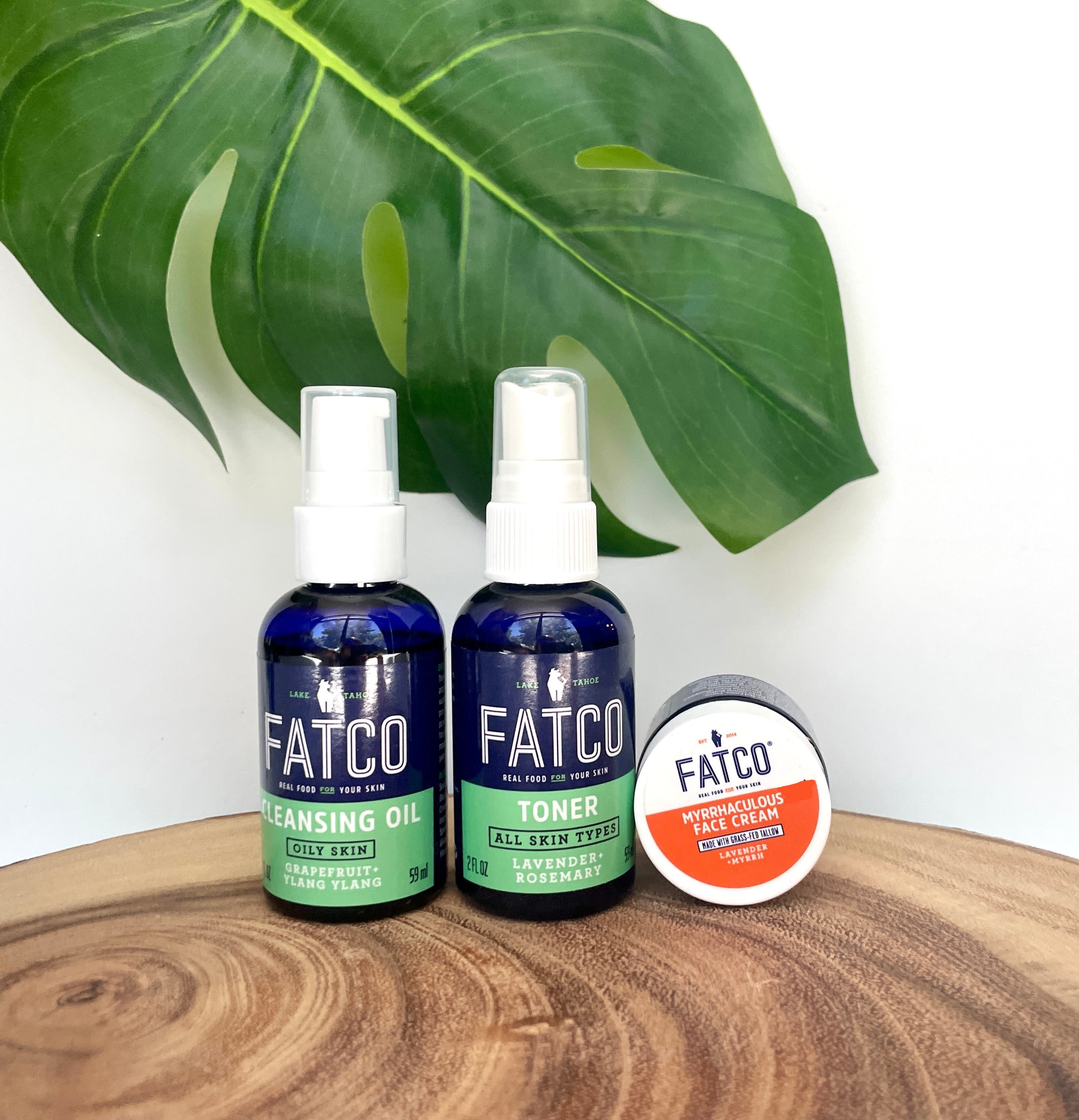
- FATCO does not make a foaming gentle cleanser. It makes three plant-oil cleansing oils, a tallow cleansing balm and true-soap Fat Bars. Oil cleansing is a different method, not a mild wash by another name.
What the Word Actually Commits a Brand To
Nothing enforceable. The FDA's cosmetics labeling claims page is explicit about this. The law does not require cosmetic labeling to have FDA approval before products go on the market. The agency does not have a list of approved or accepted claims for cosmetics. The one binding limit is that labeling information, claims included, must be truthful and not misleading.
The agency has published guidance on a short list of specific label claims. Alcohol free, cruelty free, hypoallergenic and organic are on it. Gentle is not, and neither is non-comedogenic or dermatologist tested.
Where the FDA has ruled, the language is blunt. Its page on hypoallergenic cosmetics says there are no Federal standards or definitions governing the term. It means whatever a particular company wants it to mean. Manufacturers are not required to submit substantiation of the claim, and the same page adds that dermatologists say the term has very little meaning.
The gap shows up whenever someone measures it. Dermatologists in Mexico tested 29 cleansers on 30 people with sensitive skin across five consecutive days. Seventeen of the products were marketed for dry skin. Most of the ones recommended for sensitive skin produced a considerable irritation effect, and the effect correlated with each product's pH. The authors, writing in the International Journal of Dermatology, called for better regulation of advertisement specifications.
Test One: The Surfactant, Not the Surfactant Class
Surfactants do the cleaning, and they do the stripping, so which ones a formula uses is the first real signal. The popular version of this sorts them by electrical charge. A 2011 review of cleansers in the Journal of Clinical and Aesthetic Dermatology gives that order: cationic and anionic ahead of amphoteric, ahead of nonionic. It then adds that this cannot be generalized to every cationic and anionic surfactant.
Its own counterexample is the useful part. Sodium lauryl sulfate and sodium cocoyl isethionate are both anionic surfactants. The review says SLS "can cause significant skin irritation and penetration" while sodium cocoyl isethionate "has shown excellent skin compatibility", and names isethionate's larger head group as one likely reason.
Named ingredients tested side by side beat class rules every time. Patch testing published in Contact Dermatitis in 2003 compared three detergents across five concentrations and three exposure times. SLS produced a pronounced reaction. Sodium laureth sulfate produced a far milder one. Alkyl polyglucoside, the nonionic class whose ingredient names end in glucoside, produced a reaction that was hard to detect even at the highest concentration.
Then there is the ingredient that breaks the tidy story. Cocamidopropyl betaine is used widely because it causes relatively mild irritation. It was also named Allergen of the Year in 2004, with contact sensitization prevalence estimated between 3.0 and 7.2 percent. A review in the journal Dermatitis says impurities from the manufacturing process are thought to play a role in that sensitization. Low irritation and low allergy risk are separate questions, and one word on the front of a bottle answers neither.
Test Two: pH
Skin's surface is acidic, and the number is more useful than the marketing. Lambers and colleagues measured 330 people for the International Journal of Cosmetic Science and put the natural skin surface pH at about 4.7. Roughly half the published literature already reports values below 5.0. They attribute the commonly quoted 5.0 to 6.0 range to prior use of soaps and to plain tap water.
Set the shelf against 4.7 and the ranking sorts itself. The same 2011 review puts the typical pH of a true soap at 9 to 10. Syndet bars, which contain less than 10 percent soap, sit at a more neutral 5.5 to 7. Nothing on the front of a bar tells you which one you are holding. The ingredient list does: a fat saponified with sodium hydroxide is true soap, and true soap is alkaline whether the label says gentle, natural or handmade. That distinction matters most when you are choosing a cleanser for easily provoked skin, where a raised surface pH is not a rounding error.
Test Three: Fragrance, and the Word Standing Next to It
Fragrance is one of the most common causes of contact dermatitis, and the American Academy of Dermatology's instruction is to use products labeled "fragrance free". Its warning about the near-synonym is worth repeating. If you see "unscented" on the label, it means the fragrance in a product has been covered up. A fragrance that has been covered up can still cause an allergic reaction.
Essential oils count here too. They are fragrance ingredients, which is why a plant-based cleanser is not automatically the low-reaction choice, and why much of the natural aisle fails a strict fragrance-free test. FATCO's cleansing oils and balm are scented with essential oils and are no exception to that.
Test Four: What the Other Claims on the Bottle Mean
| Claim | What it commits the brand to | How to check it |
|---|---|---|
| Gentle | Nothing defined. The FDA keeps no list of accepted cosmetic claims | Read the surfactants in the first few ingredients |
| Hypoallergenic | Nothing. No federal standard, no substantiation filed with the FDA | Screen for fragrance and known sensitizers yourself |
| Non-comedogenic | Not a claim the FDA has issued labeling guidance on | Treat it as the brand's aim, not a reported result |
| Dermatologist tested | That a test happened, not what the test found | Look for a stated result rather than the phrase |
| Fragrance free | More than "unscented" does, per the academy's advice | Scan for parfum, fragrance and any essential oil |
| pH balanced | Usually a syndet system rather than true soap | Check whether a saponified fat and lye appear |
None of that requires chemistry. The last check is the one your own face runs. Skin that feels tight, squeaky or stinging half an hour after washing is telling you the formula removed more than it needed to. That signal holds whatever the carton says, and the tight feeling after cleansing is a more honest label than any word printed on it. If your skin reacts to most things you try, the fix is usually a simpler routine for reactive skin rather than a better bottle.
Where Oil Cleansing Fits, and Who It Is Not For
A gentle surfactant cleanser and an oil cleanser are different categories, not two grades of the same thing. A surfactant wash lifts oil into water and rinses it away. An oil cleanse dissolves oil into oil and comes off on a warm damp cloth, with no lather and no alkali at any point. Neither is automatically kinder than the other.
If your skin tolerates a foaming wash, and the problem is congestion or heavy sunscreen, a fragrance-free syndet at a skin-compatible pH is the straightforward answer. FATCO does not make one. If foaming formulas leave you tight by mid-morning, the format is worth changing before the brand is. FATCO's Cleansing Oil for Normal/Combo Skin is a plant-oil blend of organic castor, olive, apricot kernel, sesame, avocado, macadamia, tamanu and argan oils, scented with lavender, rosemary and lemongrass. Choosing between cleansing oils matched to skin type is a shorter decision than choosing between a shelf of bottles that all say gentle.
Got Questions?
Frequently Asked Questions
Q How do I know if a cleanser is gentle?
Check the back of the bottle, not the front. Four things predict it: the surfactants in the first few ingredients, the pH, whether fragrance or essential oils appear, and how your skin feels half an hour later. The word itself carries no standard.
Q How can you tell if a cleanser is too harsh?
Your own skin answers this within the hour. Tightness, squeakiness, stinging or flaking after washing means the formula took more surface lipid than it needed to. Foam is not the tell, since a low-foam cream cleanser can still be built on a stripping surfactant.
Q Does "non-comedogenic" on a cleanser mean anything?
It is not among the claims the FDA has issued labeling guidance on, and the agency says it keeps no list of approved or accepted cosmetic claims. On a rinse-off product the claim also matters less than on a leave-on one, because contact time is short. Read the ingredient list instead.
Q Can a gentle cleanser help eczema?
It can remove one common trigger, not treat the condition. The American Academy of Dermatology's eczema skin-care tips say to use cleanser only when needed and to make sure the cleanser is mild and fragrance-free. Eczema itself is a condition for a dermatologist, not for a change of bottle.
Q What is the gentlest cleanser?
There is no single one, because gentleness is a property of the formula and of your skin, not of a category. Across formats, the lowest surfactant exposure comes from oil, balm and micellar options, and the highest from true soap bars, which run alkaline.
Q Is cleansing oil a gentle cleanser?
It is a different method rather than a milder version of the same one. An oil cleanse dissolves sebum and sunscreen with no surfactant and no alkali, which suits skin that goes tight after foaming washes. It is not fragrance-free if it carries essential oils, and FATCO's do.
The FATCO Alternative
If every cleanser labeled gentle has still left your face tight, the format may be the problem rather than the brand. FATCO makes no foaming gentle cleanser and will not pretend otherwise. What it makes is three plant-oil Cleansing Oils, matched to oily, normal/combo and dry skin. They are $14 for 2 oz and $24 for 4 oz, and the tallow Cleansing Balm is $16 for 2 oz. All of them clean by dissolving oil rather than by lathering, so no surfactant and no alkali reaches your face. None is fragrance-free, since each carries essential oils, and the Fat Bars are true soap and therefore alkaline. If a raised skin pH is your particular problem, a fragrance-free liquid syndet still beats any bar, ours included. Patch-test on the jawline first, and expect roughly two weeks of adjustment when you switch to oil cleansing.
FATCO Tallow Skincare
Grass-Fed. Suet-Sourced. Dry-Rendered.