Face Cleansers Explained: Foaming, Cream, and Oil for Your Skin

A face cleanser has one real job: remove the oil, sweat, sunscreen, and makeup that build up on skin without stripping the barrier underneath. Every format, foaming gel, cream, oil, balm, micellar water, or bar, does that job through a different mechanism, and the "best" one depends on your skin, not on which cleanser foams the most.
Key Takeaways
- Format matters more than brand. Foaming gels, creams, oils, balms, micellar waters, and bars clean through different mechanisms, and each suits a different skin type.
- Foam is a texture choice, not a performance signal. A high-lather cleanser is not automatically more effective, and it is often the harsher option.
- Oil-based cleansing runs on "like dissolves like." An oil or balm cleanser lifts sebum without the surfactants that can strip the skin's own lipids, which is why FATCO builds its Cleansing Oil around plant oils rather than detergents.
- There is no single correct cleanser. Dry and sensitive skin generally does better with oil, cream, or balm; oily and acne-prone skin often does better with a gentle foaming or micellar option.
- Give any new cleanser two to four weeks before judging it. Most complaints are a formula-fit problem, not proof the category doesn't work.
How a Cleanser Actually Works
Every face cleanser relies on one of two mechanisms. The first is surfactant action: molecules with a water-loving head and an oil-loving tail that cluster into micelles, trapping oil-based grime and rinsing it away. This is how foaming gels, most creams, micellar waters, and cleansing bars work.
The tradeoff: surfactants do not distinguish between surface oil and the lipids in your skin's own barrier, so the more aggressive the surfactant, the more of both it removes. A 2012 review in Dermatology Research and Practice found that surfactants can penetrate the stratum corneum and disorder its lipid structure, the mechanism behind the tight, dry feeling a harsh cleanser leaves behind.
The second mechanism is oil dissolving oil, with no surfactant required. Sebum, sunscreen, and most makeup are oil-based, so an oil or wax-based cleanser binds to them directly and lifts them away when emulsified with water or wiped off with a warm cloth, leaving skin feeling coated rather than squeaky-tight. Neither mechanism is inherently better: the right one depends on how much surface residue you need to remove and how tolerant your skin is of surfactant exposure.
The Six Face Cleanser Types
Foaming and gel cleansers
Surfactant-based formulas that lather on contact with water, usually built around a moderate-strength surfactant blended with humectants like glycerin to offset the drying effect.
- Best for: oily and combination skin that tolerates surfactants well, especially paired with an active like salicylic acid for breakout-prone skin.
- Watch for: high-foam formulas built on stronger sulfates strip more of the skin's own oils along with surface grime.
Cream and lotion cleansers
Lower-foam, higher-emollient formulas, typically a mild surfactant suspended in a moisturizing base. They clean effectively without the tight, stripped feeling a gel cleanser can leave behind.
- Best for: dry, normal, and mature skin wanting a gentle daily wash without going fully oil-based.
- Watch for: heavier cream formulas may not fully remove waterproof makeup or heavy SPF alone.
Oil cleansers
A blend of plant oils dissolves sebum, sunscreen, and makeup, then rinses away when emulsified with warm water. No foaming surfactant does the work, so the barrier disruption that comes with detergent-based washing is largely avoided.
- Best for: dry, sensitive, or barrier-compromised skin, and anyone whose skin reacts poorly to foaming cleansers.
- Watch for: heavily congested, purely oily skin may not be the ideal daily match, since it skips the "squeaky" surface feeling some oily-skin routines are built around.
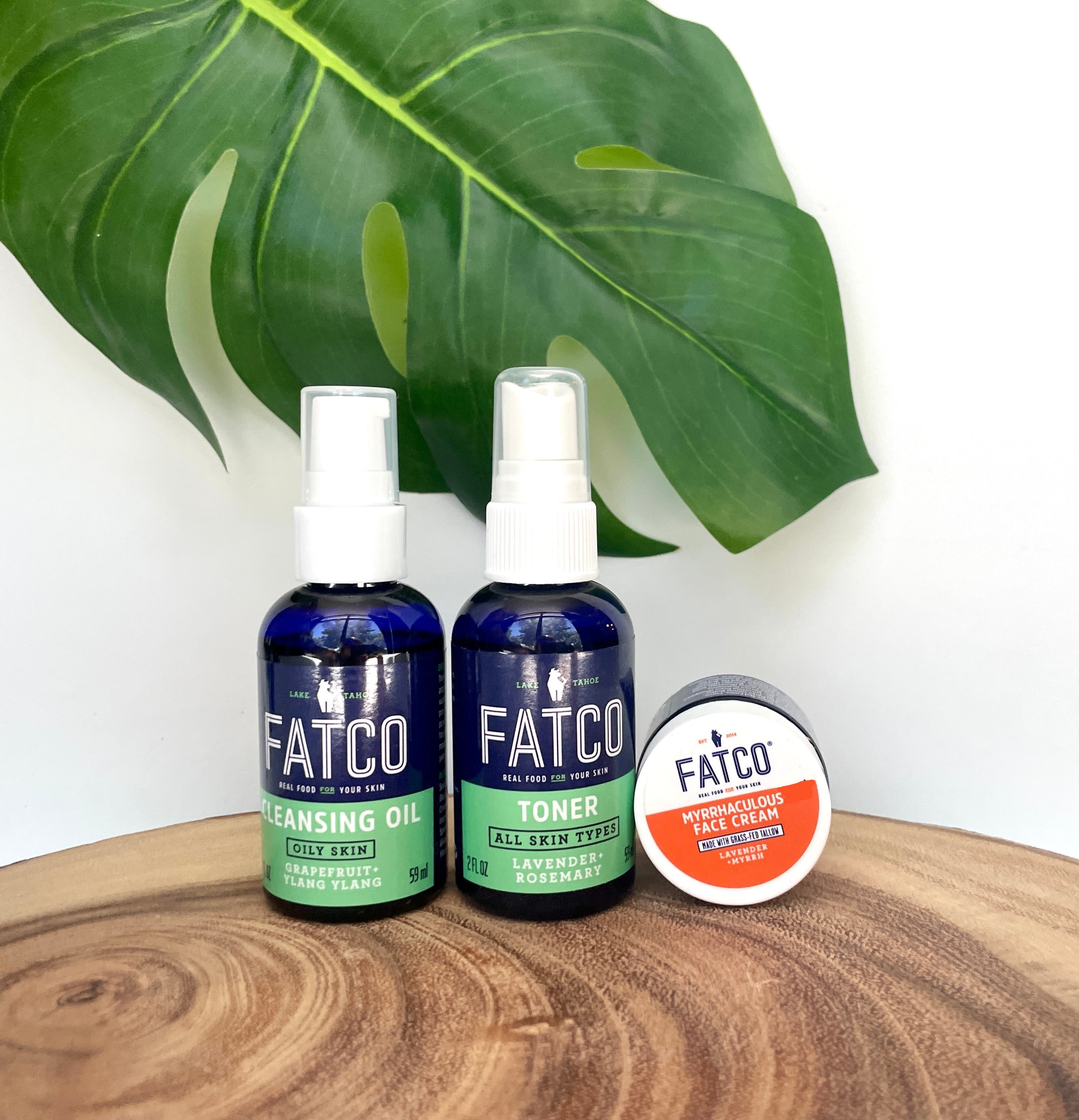
FATCO's Cleansing Oil for Dry Skin is a plant-oil example, blending castor, olive, apricot kernel, sesame, avocado, macadamia, tamanu, and argan oils with lavender, rosemary, and lemongrass essential oils. If you are new to the format, FATCO's guide for first-time oil cleansers covers the basic technique and what to expect during the adjustment period.
Balm cleansers
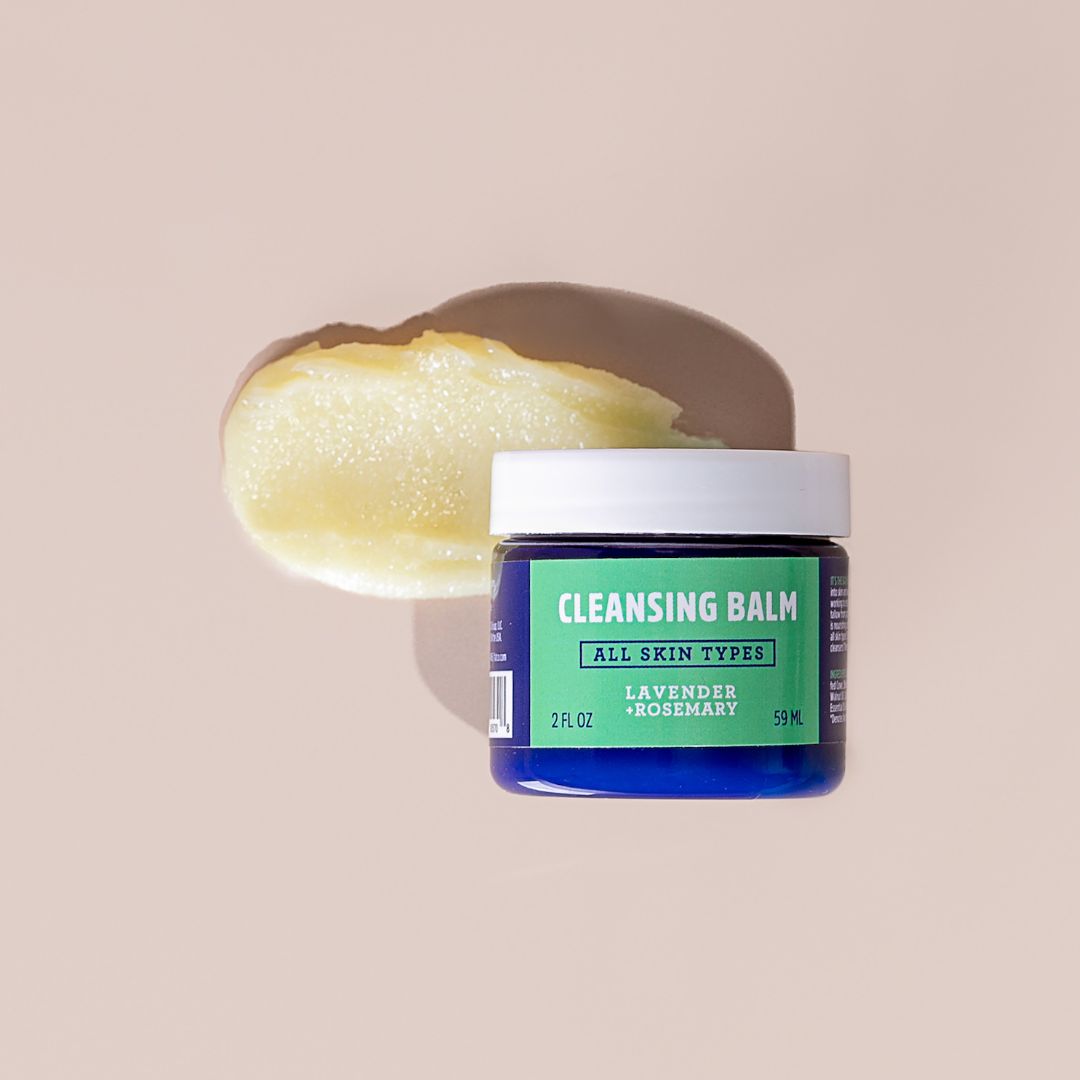
The solid-to-melt version of an oil cleanser, built from oils and butters that are solid at room temperature and liquefy on contact with warm skin. Same "oil dissolves oil" principle, in a richer, more occlusive texture that suits skin needing extra barrier support.
- Best for: very dry or reactive skin, and as a first-cleanse step for heavy makeup or long-wear sunscreen.
- Watch for: the same congestion caveat as oil cleansers for very oily, acne-prone skin used to foaming formulas.
Micellar water
Very low concentrations of mild surfactant suspended in purified water. The micelles form tiny spheres that attract oil and makeup on contact, so a soaked cotton pad or a splash in the hands lifts residue without foaming or rinsing. Cleveland Clinic dermatologist Alok Vij, MD, describes the format as carrying such a mild concentration of detergent that it barely feels like a soapy solution at all.
- Best for: sensitive skin, travel, or a quick wipe-off cleanse without a sink.
- Watch for: it is milder than most formats, so heavy makeup or SPF may still need a proper rinse-off cleanser.
Bar cleansers
Often called syndet bars to distinguish them from true soap, these are solid surfactant formulas. The same 2012 review records that the lower-pH syndet bar arrived in the 1950s as an alternative to soap and has been shown to respect the skin barrier better than soap bars do. Skin's own surface is acidic: Lambers and colleagues, measuring 330 people for the International Journal of Cosmetic Science, put the natural surface pH at about 4.7 and found that soaps and plain tap water both push it upward.
- Best for: normal to oily skin that prefers a solid, low-waste format.
- Watch for: true soap bars (unlike syndet bars) tend to run more alkaline and can be more stripping than a comparable liquid cleanser.
How to Choose a Face Cleanser by Skin Type
| Skin Type | Recommended Format | Why |
|---|---|---|
| Dry or barrier-compromised | Oil or balm cleanser | Cleans through oil-dissolves-oil rather than surfactant stripping, so it will not compound existing dryness |
| Sensitive or reactive | Oil, balm, or micellar water | Lowest surfactant exposure of the six formats, reducing irritation risk |
| Oily or combination | Foaming gel or micellar water | Surfactant action handles excess sebum without the heaviness of an oil-based formula |
| Acne-prone | Foaming gel (with salicylic acid or benzoyl peroxide) | Active ingredient does the acne-specific work; format should be gentle enough not to add irritation on top |
| Normal | Cream cleanser or bar | Balanced formats that clean effectively without leaning hard toward stripping or heaviness |
| Heavy makeup or SPF days | Oil or balm first, then a light second cleanse | Oil dissolves stubborn product before a gentler formula finishes the job |
A Few Honest Caveats
- Twice a day is the ceiling for most skin. Washing more often, even with a gentle formula, tends to add irritation without removing meaningfully more residue.
- Patch-test any new cleanser format, especially an oil-based one, on the jawline for about a week before committing to it daily.
- A cleanser is not a treatment. If breakouts, redness, or ongoing irritation are the real concern, a leave-on active or a dermatologist visit does that work; the cleanser step is only ever prep.
Got Questions?
Face Cleanser FAQ
Q What type of face cleanser is best for dry skin?
An oil or balm cleanser generally works best for dry skin, since both clean through oil-dissolving-oil rather than surfactants that can strip existing moisture. A cream cleanser is a good alternative if you prefer a rinse-off routine. Avoid high-foam gels, which tend to leave dry skin feeling tighter.
Q Is an oil-based face cleanser good for oily skin?
It can work well for combination-oily skin that reacts poorly to foaming detergents, though it is not the universal answer for oily skin. Oil cleansing dissolves sebum without stripping the barrier, but skin that runs heavily congested and purely oily often does better with a gentle foaming or micellar formula instead.
Q Is beef tallow a good face cleanser ingredient?
Tallow-based cleansing products work on the same oil-dissolves-oil principle as plant-oil cleansers. Tallow shares its two dominant fatty acids, palmitic and oleic, with the skin's surface lipids, but the overlap stops there: skin's leading monounsaturate is sapienic acid, and sebum also carries squalene and wax esters that tallow has none of. Patch-test first.
Q Can I use coconut oil as a face cleanser?
Yes, coconut oil can work as a basic oil cleanser, dissolving makeup and sebum the same way other plant oils do. The 2025 JAAD Reviews comedogenicity table reports it at 4 to 5 in the rabbit-ear assay while calling the human evidence patchy, and a finished formula behaves differently from the raw oil. Patch-test if you are acne-prone.
Q Does olive oil work as a face cleanser?
Yes, olive oil is a common ingredient in commercial cleansing oil blends. Used alone, it is heavier and slower to rinse clean than a lighter carrier oil, which is why most formulated cleansing oils combine it with faster-rinsing oils instead.
Q What's the best natural face cleanser for oily skin?
A lightweight, oil-free foaming or gel formula built around mild cleansing agents suits oily skin best. FATCO does not make a foaming cleanser, but if your oily skin also reacts to foaming formulas, its cleansing oil blended for oily skin is worth patch-testing.
The FATCO Alternative
Most face cleansers are sold on foam and fragrance, when the real question is simpler: does this formula remove the day's buildup without leaving skin tighter or more reactive than before? FATCO makes no foaming cleanser at all. Its Cleansing Oil skips the surfactant approach entirely, and the version for dry skin works through a blend of castor, olive, apricot kernel, sesame, avocado, macadamia, tamanu, and argan oils that dissolve sebum and residue the same way any oil-based cleanser does. It is built for dry and reactive skin rather than marketed as a fit for every skin type, and separate blends exist for normal/combination and oily skin, and it is worth a patch test alongside the basics that matter regardless of format: wash twice daily, use lukewarm water, and give any new cleanser a few weeks before deciding it isn't working.