Best Face Wash for Oily Skin: Foam, Gel, or Oil Cleansing?
The best face wash for oily skin removes excess surface oil without stripping the skin barrier, since over-stripped skin tends to look and feel worse, not better, even if the exact amount of extra oil it triggers is debated among dermatologists. Oily skin is not a medical condition to cure. It is a skin type to work with, and the cleanser you choose either supports that or fights it twice a day.
Key Takeaways
- Oily skin needs mattifying, not stripping. A cleanser can reduce shine and control surface oil without leaving skin tight, red, or dehydrated.
- Harsh, high-foam sulfate cleansers can backfire. They remove oil aggressively enough to irritate the barrier, and irritated skin behaves worse, not better.
- Gentle surfactants and a light exfoliating acid (like salicylic acid) do the real work. Foam volume is a marketing signal, not a performance one.
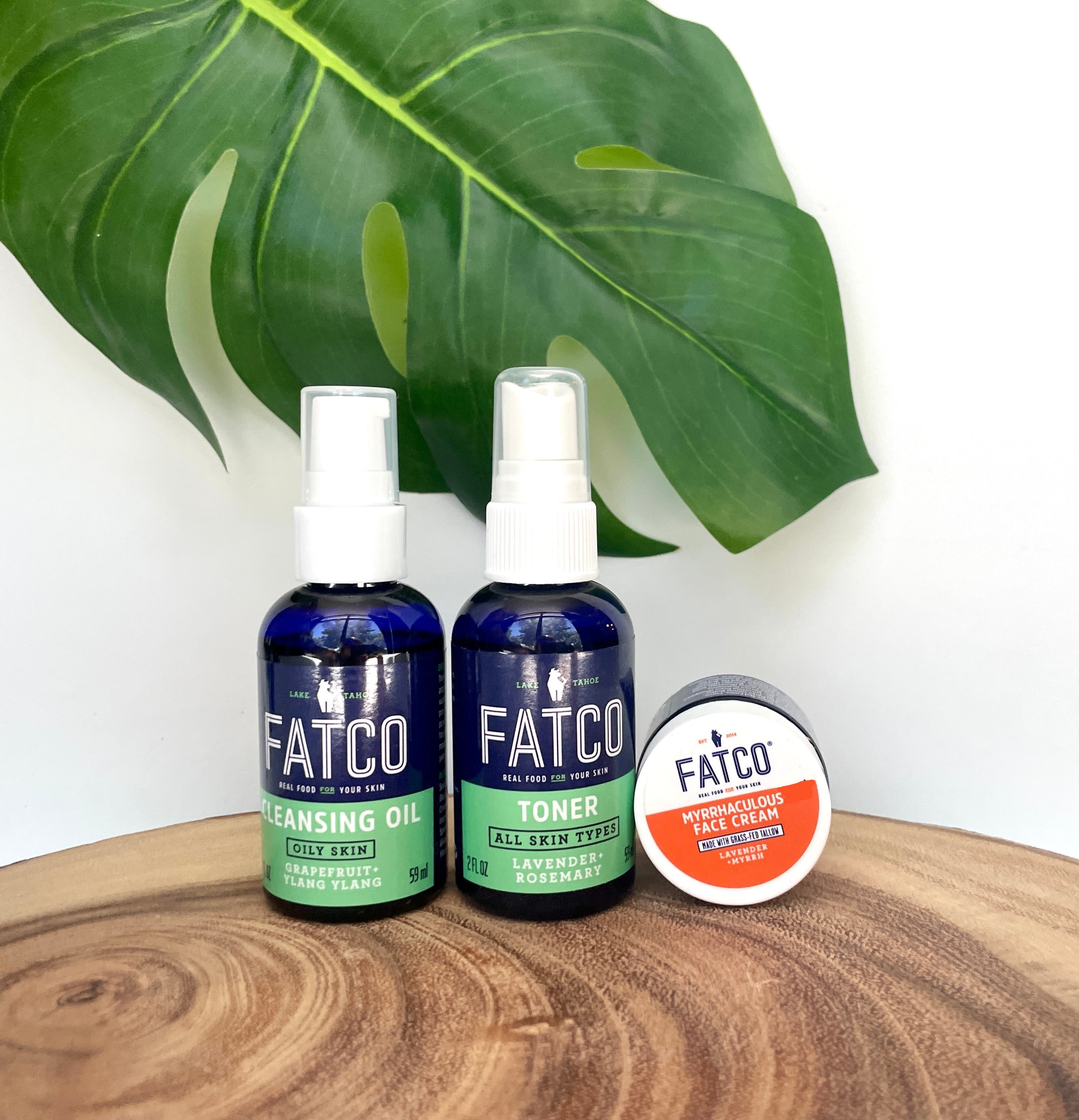
- Oil cleansing is a legitimate option for some oily skin, not a universal fix. FATCO makes a dedicated Cleansing Oil for Oily Skin, built on castor, grapeseed and jojoba oils, that works on the "like dissolves like" principle. It suits skin that reacts badly to foaming detergents better than it suits heavily congested skin.
- Patch-testing and giving a new cleanser several weeks matters more than switching products every time skin looks shiny.
What Oily Skin Actually Needs From a Cleanser
Oily skin produces more sebum than dry or normal skin, largely driven by genetics and hormones rather than a lack of washing. A cleanser cannot turn off that sebum production. What it can realistically do is remove the surface oil, sweat, sunscreen, and makeup that build up between washes, without disrupting the barrier that keeps the rest of your skin balanced.
That distinction matters because the instinct with oily skin is usually to reach for the strongest, foamiest cleanser available. According to DermNet, over-washing and harsh alkaline cleansers strip the surface sebum film, raise skin pH, and increase water loss through the epidermis, all of which can leave skin drier, more irritated, and more reactive rather than genuinely less oily. Some dermatologists describe a "rebound" effect where stripped skin ramps up oil production to compensate, though the size of that effect is debated in the field. What is well established is that harsh stripping damages the barrier and often leaves oily skin looking shinier and feeling tighter within hours, which is the opposite of what most people are chasing.
A cleanser that works with oily skin instead usually has three traits:
- A gentle, low-to-moderate lather. Foam feels satisfying, but a cleanser does not need aggressive suds to remove oil effectively.
- An oil-free or oil-light formulation, so it is not adding back the exact thing it is meant to control.
- Optionally, a mild exfoliating acid like salicylic acid, which helps clear the dead skin cells and oil that build up inside pores rather than just sitting on the surface.
The Oil-Cleansing Option, Honestly
Oil cleansing runs on a simple principle: oil dissolves oil. Massaging a plant-based cleansing oil into dry skin can lift sebum, sunscreen, and makeup before you rinse or wipe it away, without the sulfate detergents that strip the barrier in a typical foaming wash.
FATCO's own Cleansing Oil for Oily Skin is built on this idea, blending castor, grapeseed, olive, jojoba, tamanu, and argan oils with grapefruit and ylang ylang essential oils. There is a separate Normal/Combo version, built on castor, olive, apricot kernel, sesame, avocado, macadamia, tamanu, and argan oils, if your T-zone is oily but your cheeks are not. Both are plant-oil blends rather than tallow, which matters for anyone weighing the oleic-acid caution that applies to tallow and acne-prone skin generally. It is worth being direct about where this fits: oil cleansing works well for some people with oily and combination-oily skin, particularly those whose skin reacts poorly to foaming detergents, but it is not a universal answer, and it is not going to be the right daily match for skin that runs heavily congested. FATCO's product page also claims oil cleansing signals skin to stop overproducing oil, which goes further than the evidence below supports. The honest version is narrower: it is one legitimate approach among several, best suited to specific skin, and worth a patch test before it becomes your daily routine.
If you do want to try it, expect an adjustment period of one to two weeks as your skin recalibrates, and apply the oil to a dry face before adding warm water at the end, rather than the other way around.
Best Face Washes for Oily Skin
These picks cover a range of formats and price points, from a ceramide-based foaming gel to a salicylic-acid wash built for oil control. Prices are approximate and current as of July 2026, check the retailer for the latest.
CeraVe Foaming Facial Cleanser
Price: around $13-17 for 12 fl oz (355ml).
CeraVe's Foaming Facial Cleanser is formulated for normal to oily skin with three ceramides, hyaluronic acid, and niacinamide. It is a gel-based formula that foams on contact with water, and CeraVe's own page describes it as removing dirt, makeup and excess oil for 12-hour oil control while helping maintain the skin's moisture balance rather than stripping it outright. There is no salicylic acid or other active exfoliant in this formula, so it is a straightforward daily cleanser rather than an acne treatment.
Neutrogena Oil-Free Acne Wash, Fragrance Free
Price: around $9-14 for 9.1 fl oz (269ml).
This is a 2% salicylic acid face wash built specifically to work into pores rather than just the surface. The fragrance-free version keeps the formula simple: salicylic acid alongside gentle surfactants, glycerin, and panthenol, with no added scent to further irritate reactive, oily-acne-prone skin. It rinses clean without the heavy, waxy residue some acne washes leave behind.
La Roche-Posay Effaclar Purifying Foaming Gel
Price: around $19-25 for 6.76 fl oz (200ml).
Effaclar Purifying Foaming Gel is built around zinc PCA, an ingredient with mild anti-acne and moisturizing properties, in a sulfate-based foaming base. It is alcohol-free, and the brand markets it specifically for oily and acne-prone skin that still needs a formula gentle enough for regular use. Its ingredient list does end in parfum, so it is not a fragrance-free option. It does not contain salicylic acid either, so pair it with a leave-on treatment if active breakouts, not just shine, are the main concern.
Cetaphil DermaControl Oil Removing Foam Wash
Price: around $11-15 for 8 fl oz (237ml).
Cetaphil's DermaControl foam wash is formulated for oily, sensitive skin with zinc coceth sulfate, zinc gluconate and glycerin in a low-irritation base. Note that Cetaphil lists this one under "gentle scent" rather than fragrance free, and masking fragrance appears on the ingredient list, so it is not the right pick if you are avoiding scented products entirely.
Vanicream Gentle Facial Cleanser
Price: around $10-13 for 8 fl oz (237ml).
Vanicream's Gentle Facial Cleanser is soap-free, fragrance-free, and built with no botanical extracts or essential oils at all, which makes it one of the most minimal ingredient lists on this list. Vanicream markets it as ideal for dry skin rather than oily skin specifically, so the honest fit here is combination or oily-but-easily-irritated skin, where the priority is avoiding a reaction over maximizing oil control. If your oiliness is heavy and your skin tolerates actives well, this will likely feel too mild on its own.
How to Choose: Comparing Cleansers for Oily Skin
| Product | Key Ingredients | Format | Oil-Free | Best For |
|---|---|---|---|---|
| FATCO Cleansing Oil for Oily Skin | Castor, grapeseed, olive, jojoba, tamanu, and argan oils, grapefruit and ylang ylang essential oils | Oil cleanser | No (oil-based by design) | Oily skin that reacts badly to foaming detergents; not for heavily congested skin |
| CeraVe Foaming Facial Cleanser | Ceramides, hyaluronic acid, niacinamide | Foaming gel | Not labeled oil-free | Daily oil control paired with barrier support |
| Neutrogena Oil-Free Acne Wash, Fragrance Free | 2% salicylic acid | Foaming gel | Yes | Oily, acne-prone skin wanting an active exfoliant |
| La Roche-Posay Effaclar Purifying Foaming Gel | Zinc PCA | Foaming gel | Yes | Oily, acne-prone skin wanting a daily wash without an acid (contains parfum) |
| Cetaphil DermaControl Oil Removing Foam Wash | Zinc coceth sulfate, zinc gluconate, glycerin | Foaming pump | Not labeled oil-free (contains masking fragrance) | Oily skin tolerant of fragrance, wanting a gentle foam |
| Vanicream Gentle Facial Cleanser | No botanicals or essential oils | Gel cleanser | Yes | Combination-oily skin that reacts easily to actives or fragrance |
The Over-Stripping Myth (and What's Actually True)
A common belief is that stripping oily skin dry will train it to produce less oil over time. The mechanism behind that claim is genuinely contested. Some dermatologists describe stripped skin ramping up sebum production to compensate for water loss, while others argue that oily skin has no compensatory mechanism that reliably increases actual oil output in response to a harsh cleanser, and that the "shinier" look afterward is often irritation and surface dryness rather than more sebum.
What is not contested is the downstream damage. DermNet's clinical overview of soaps and cleansers lists increased transepidermal water loss, a shift in skin pH toward alkaline, and a raised risk of irritant contact dermatitis as documented complications of over-washing. Irritated, barrier-compromised skin is harder to manage than oily skin on its own, whatever is happening with sebum output underneath it. The safest read: stripping does not reliably fix oily skin, and it reliably risks making skin more reactive, so there is little upside to choosing the harshest option on the shelf.
A Few Honest Caveats
- "Non-comedogenic" is not an FDA-regulated claim. A 2025 comedogenicity review in JAAD Reviews states that the FDA has no legal definition for the term, so manufacturers can make the claim without regulation. Treat it as a helpful first filter rather than a guarantee, and remember that a finished formula behaves differently from the isolated ingredient a comedogenicity assay tested.
- Give a new cleanser two to four weeks before judging whether it is helping. Some initial adjustment is normal; congestion that keeps building past that window is a sign to switch.
- Patch-test any oil-based product before committing to a full routine, including FATCO's Cleansing Oil, on the jawline for about a week. Both FATCO cleansing oils carry essential oils, so this matters more if fragrance is one of your triggers.
- A cleanser is not a substitute for a leave-on treatment. If active breakouts, not just shine, are the main concern, an oily-skin cleanser needs to be paired with a salicylic acid, benzoyl peroxide, or retinoid product used separately, since a wash-off product only has brief contact time.
Got Questions?
Oily Skin FAQ
Q What is the best face wash for oily skin?
There is no single best option, since it depends on how your skin tolerates actives and fragrance. A salicylic acid wash like Neutrogena's Oil-Free Acne Wash suits oily, acne-prone skin well, while a fragrance-free, ceramide-based option like CeraVe's Foaming Facial Cleanser suits oily skin that is also easily irritated.
Q Is an oil-based face wash bad for oily skin?
Not inherently, though it is not the right daily match for every oily skin type. Oil cleansing dissolves sebum and buildup without the sulfate detergents that strip the barrier, which can suit combination-oily skin well. Heavily congested, purely oily skin often does better with a gentle foaming or salicylic acid formula instead.
Q Does washing my face more often control oily skin?
No, washing more than twice daily typically causes more irritation without meaningfully reducing sebum production. Over-washing strips the skin's protective oil film, which can leave skin drier and more reactive. Stick to morning and night, adding a third wash only after heavy sweating.
Q Will a stripping cleanser train my oily skin to produce less oil?
This is not well supported. Whether stripping triggers more oil production specifically is debated among dermatologists, but the documented effects of over-stripping (barrier damage, increased water loss, irritation) are not in question. There is little evidence that harsher cleansing improves oily skin over time.
Q Do I need a moisturizer if my skin is oily?
Yes, oily and dehydrated are not opposites, and skipping moisturizer can leave skin more reactive to a cleanser's mattifying effects. Choosing a lightweight, oil-free moisturizer rather than skipping the step entirely matters most if you are also using a salicylic acid or benzoyl peroxide wash.
Q Can I use an oil cleanser every day if I have oily skin?
Yes, for many oily skin types — though it works best as an evening cleanser. Oil cleansing lifts sebum, sunscreen and makeup without stripping the barrier, which suits skin that reacts poorly to foaming detergents. Heavily congested oily skin may do better with a gentle foaming cleanser in the morning and oil cleansing at night rather than twice daily.
The FATCO Alternative
Oily skin does not need the harshest cleanser on the shelf, it needs one that removes the day's buildup without leaving skin tight, red, or primed to overcompensate. FATCO's Cleansing Oil for Oily Skin offers a genuinely different approach for the segment of oily skin that reacts poorly to foaming detergents, built from a simple blend of plant oils rather than sulfates, at $14 for 2 oz or $24 for 4 oz. It is not marketed here as a universal fix, because it is not one, but for the right skin, worth a patch test alongside the routine basics: wash twice daily, use lukewarm water, and give any new cleanser a few weeks before deciding it isn't working.