Where to Buy Tallow: Local Sources and What to Ask

Knowing where to buy tallow locally puts you ahead of most people who start their search online. The best grass-fed tallow often comes from a farm thirty miles away, not a warehouse across the country, and talking to the producer directly tells you things no product description can.
This guide covers the offline sourcing landscape: butcher shops, farmers markets, farm-direct buying, and health food co-ops. For each channel, you will find what to ask, what to look for, and what to watch out for. If you are specifically looking to order pre-rendered tallow online, that process is covered in depth in our Buying Tallow Online guide. If you want raw beef fat to render yourself at home, our Raw Beef Fat guide covers that sourcing process. This article is about finding quality tallow locally, in person.
Key Takeaways
- Butcher shops are the fastest local starting point: call ahead and ask specifically for suet or kidney fat, not just "beef fat," to get the cleaner rendering option.
- Farmers markets let you speak directly with the producer: vendors who raise grass-fed cattle can often tell you exactly which farm and pasture the fat came from.
- Farm-direct buying gives you the most sourcing transparency, and some farms will include fat as an add-on when you buy a quarter or half cow.
- Natural grocery chains have started stocking rendered tallow. Modern Retail reported in March 2026 that HEB, Sprouts and Albertsons began ordering Fond Regenerative's tallow, and that Whole Foods started selling it in autumn 2025.
- No published survey exists for local suet or tallow prices. Anyone quoting you a per-pound figure for a butcher counter, including us, is estimating. Ask the shop.
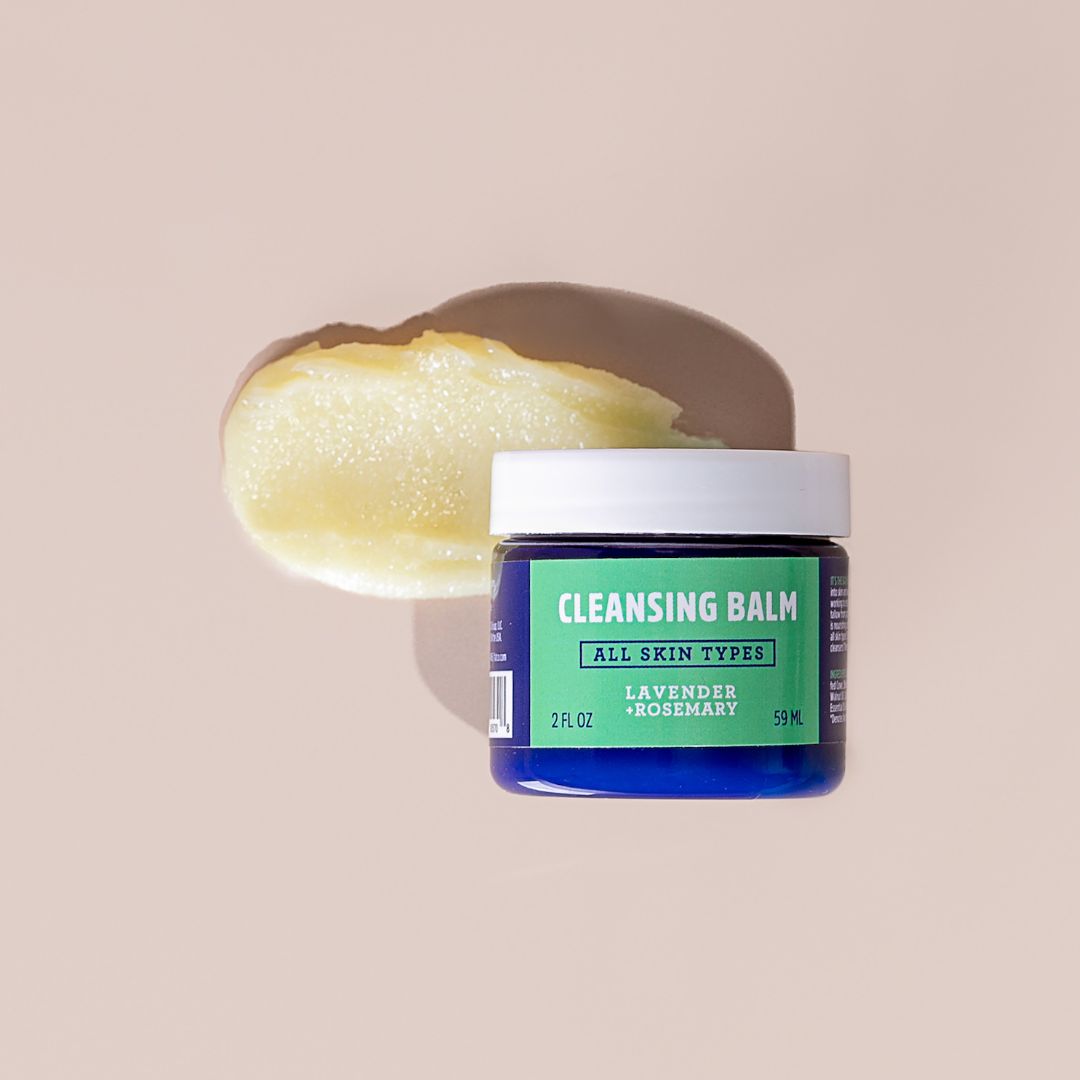
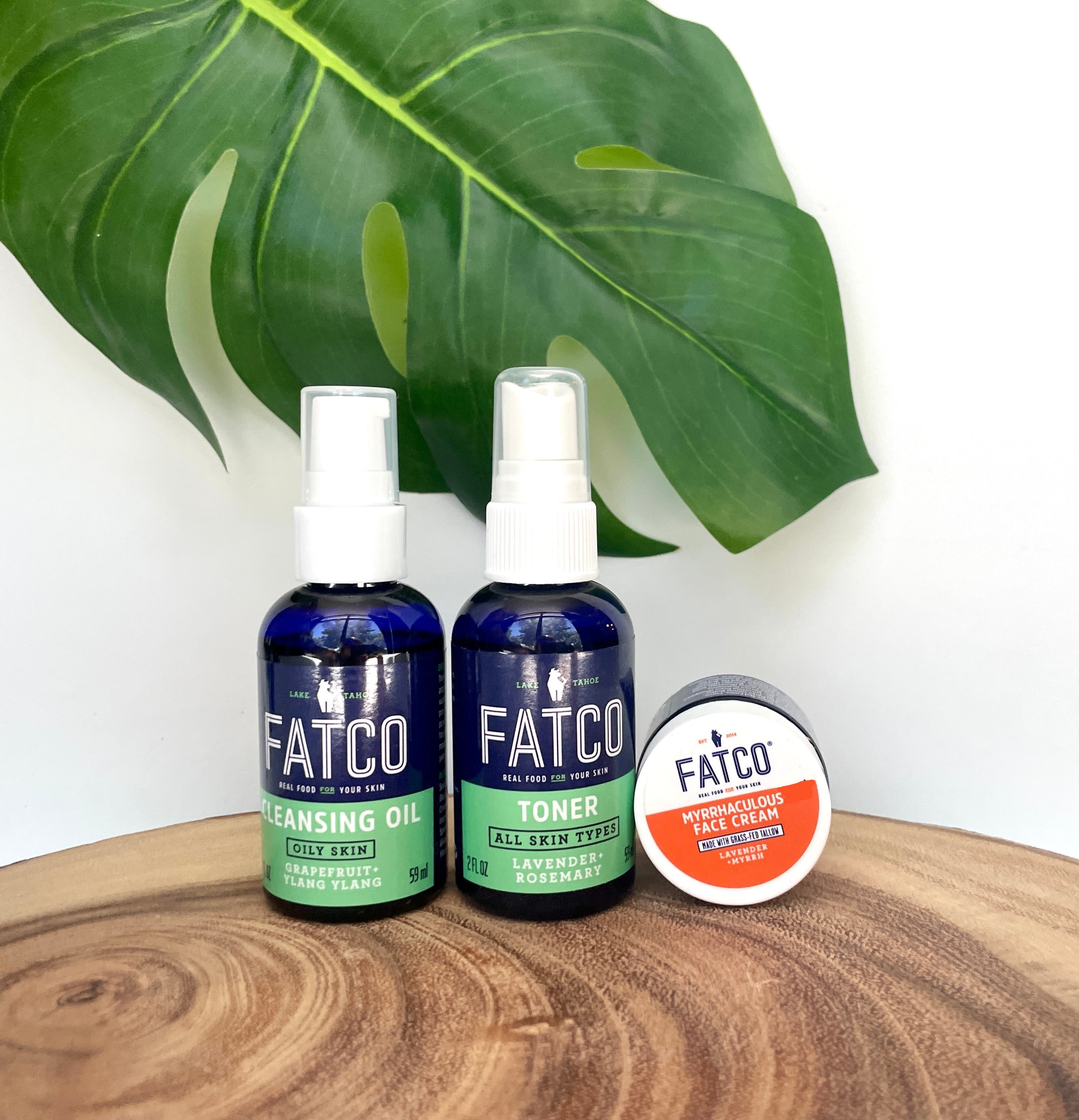
- FATCO does the sourcing and rendering for you: every FATCO product starts with suet from grass-fed cattle and is, in the brand's own words, dry rendered and triple filtered.
Why Tallow Is Worth Sourcing Carefully
Before diving into channels, it helps to understand what you are actually looking for. Tallow is rendered beef fat, and its quality depends on two things: the animal's diet and the type of fat used.
Diet first. A 2010 review in Nutrition Journal found that total saturated fat does not differ between grass-finished and grain-finished beef, but that grass finishing roughly triples alpha-tocopherol (vitamin E), raises beta-carotene about sevenfold, and increases conjugated linoleic acid and omega-3 fatty acids. The Weston A. Price Foundation reaches the same conclusion in its own account of ruminant fat in traditional skin care, reporting four times the vitamin E in grass-fed cattle and three to five times the CLA. Neither source supports a vitamin A or vitamin K claim for tallow, and USDA's reference entry lists both at zero.
Within a grass-fed animal, the fat type also matters, and there is a measurable reason. A study in the Animal Science Journal comparing coelomic, perirenal and subcutaneous fat depots in Japanese Black, Holstein and crossbred steers found monounsaturated content ranked subcutaneous above coelomic above perirenal, which means kidney fat is the most saturated of the three. That is why rendered suet sets firmer than tallow rendered from trim fat cut off the outside of the carcass. Suet also produces the mildest tallow. Knowing these two things, diet and fat type, means you will ask the right questions no matter which channel you use.
Where to Buy Tallow Locally
Butcher Shops and Meat Markets
A traditional butcher shop is often the easiest place to find tallow or the raw fat to render it. Butchers accumulate fat as a byproduct of breaking down carcasses and are usually happy to sell it, because it otherwise goes to waste.
When you call or visit, ask specifically: "Do you have suet or kidney fat available?" Most butchers default to trim fat unless you ask for something more specific. Trim fat is not a bad choice for cooking, but if you want to render tallow for your skin, suet is worth the extra step of asking.
The other key question: where did the cattle come from? Many local butchers source from regional farms and can tell you which ones. A butcher who knows their suppliers by name is usually a butcher with higher sourcing standards overall.
What good fat looks like in person: suet should be firm, white to off-white, and smell clean and neutral. If the fat has a strong or sour smell, it is past its prime. Ask when it was cut and how it has been stored.
On price, be skeptical of any figure you read online, this article included. No published survey covers what butcher counters charge for suet. The only public reference point is the commodity end of the market: USDA's Agricultural Marketing Service by-product drop value report for 30 July 2026 put packer bleachable tallow at $75.25 per hundredweight, about 75 cents a pound. That is bulk industrial fat, not a counter price, but it tells you the raw material is cheap and that a butcher has little reason to hold out for much. Ask, and expect the answer to vary by shop.
Farmers Markets
Farmers markets offer something butcher shops often cannot: a direct conversation with the person who raised the animal. Producers selling grass-fed beef at markets sometimes have fat available as well, either pre-packaged or by request for regular customers.
When you approach a market vendor, ask:
- Is this grass-fed and grass-finished, or grain-finished before processing?
- What cut of fat is this? (Suet vs. trim)
- Do you render tallow, or do you sell the raw fat?
- Is there a way to order ahead for future markets?
Many small farms do not stock tallow at every market stand because it moves slowly, but they will often set it aside for you if you ask in advance. Building a regular relationship with one or two market vendors is usually the most reliable path to a consistent local supply.
Farmers market tallow, when you find it, tends to be as traceable as it gets. You are often buying from the person who raised the animal on land they own.
Farm-Direct Sourcing
Buying directly from a farm is the highest-transparency option for where to buy tallow locally. Many grass-fed farms sell rendered tallow as a sideline product, and some include raw fat as an add-on when customers buy a larger share of an animal (a quarter, half, or whole cow).
A state-by-state directory at Eat Wild says it lists more than 1,400 pasture-based farms and describes itself as the most comprehensive such list in the United States and Canada. It is a reasonable place to start when you want a grass-fed cattle farm near you that sells direct.
When contacting a farm directly, useful questions include:
- Do you sell rendered tallow, or just raw suet?
- Is your herd 100 percent grass-finished?
- Can you share where the animals are pastured?
- What is your rendering process? (Low and slow is preferable)
Buying a share of an animal is usually the cheapest route per pound if you want cooking quantities, since you are not paying for jarring, labeling and shipping. For skincare-grade tallow, farms that slow-render from suet specifically are worth the extra step to find.
Health Food Stores and Co-ops
The category has moved onto national shelves recently enough that this is worth dating. Modern Retail reported in March 2026 that after Fond Regenerative launched its tallow direct to consumers, HEB, Sprouts and Albertsons began placing orders, and that Whole Foods started selling Fond's unflavored tallow in autumn 2025, including it in the retailer's 2026 trend report. The same piece notes that supply is tight: one manufacturer's tallow costs rose about 40 percent between 2024 and 2025, and only about 10 percent of US beef fat is turned into edible tallow. Which aisle a given store shelves it in varies, so call the department rather than hunting.
When evaluating a store-bought rendered tallow, look for:
- "Grass-fed and grass-finished" on the label (not just grass-fed)
- Fat source listed (suet or kidney fat is more specific than "beef fat")
- Minimal ingredient list (pure tallow should have one ingredient)
- Glass jar packaging (non-reactive and appropriate for a fat-soluble product)
The advantage of a co-op over a large chain is that the buyers usually know their vendors personally and can answer sourcing questions directly if you ask. A co-op that carries a specific farm's tallow can often tell you more about the sourcing than any label will.
Comparing Local Buying Channels
The price column is deliberately left out. No published survey covers butcher, market or farm-gate prices for suet or tallow, so any figures in that column would be invented. Ask each channel directly.
| Channel | Sourcing clarity | Fat type control | Rendered vs raw | Best for |
|---|---|---|---|---|
| Butcher shop | Good if you ask | Yes, request suet | Both | Quickest access, cooking tallow |
| Farmers market | Excellent | Yes, vendor-specific | Both | High-trust sourcing, skincare grade |
| Farm direct | Highest | Yes, specify suet | Both | Bulk buying, full transparency |
| Health food store | Moderate | Label-dependent | Pre-rendered only | Convenience, shelf-stable options |
| Online (see sibling guide) | Varies | Label-dependent | Pre-rendered only | No local source, specialty grades |
When Local Beats Online
Local sourcing is the stronger choice when freshness matters for cooking, when you want sourcing transparency that no product label can provide, when you are buying in bulk, or when you want to build a direct relationship with a specific farm. A butcher can name their supplier. A market vendor can tell you the pasture. A co-op buyer can call the producer. That conversation is the advantage. Note that local no longer means faster: the Sprouts listing for a national tallow brand offered same-day pickup or delivery when the sibling guide checked it on 31 July 2026.
When Online Makes More Sense
Online ordering is worth considering when no grass-fed tallow is available locally, when you need skincare-grade tallow with fine filtration that local butchers do not typically offer, or when you need a consistent year-round supply. Farm-direct tallow can be seasonal.
The online sourcing guide covers that landscape in detail, including what to look for on product pages and how to evaluate grass-fed claims when you cannot speak to a producer in person.
What Good Tallow Looks Like, In Person
Evaluating quality when you can see and smell the product is the main advantage local buying offers over an online order. Rendered tallow runs creamy off-white to pale yellow, and the yellow is not a fault. The Nutrition Journal review notes that fat from grass-finished beef "may have a yellowish appearance from the elevated carotenoid content," and FATCO makes the same argument in its own post on tallow grades, adding that a snow-white, fully odorless result often means the fat was wet-rendered and the beneficial characteristics processed out of it. The scent should be mild and close to odorless. A strong sour note means it is past its prime. Rendered tallow should be smooth and slightly firm at room temperature, like a soft wax. Graininess or a chalky texture is a yellow flag.
If you are buying raw suet rather than rendered tallow, look for fat that is firm, white, and clean-smelling with minimal red meat attached.
For a detailed look at the bulk buying process, including how to evaluate quantities and what yield to expect from rendering, our Bulk Beef Tallow guide covers the specifics.
Got Questions?
Buying Tallow FAQ
Q Where can I buy tallow near me?
Start with local butcher shops, since a shop that breaks down whole carcasses generates suet as a byproduct. Farmers markets are the next option, especially vendors selling grass-fed beef directly. If neither exists nearby, the state-by-state Eat Wild directory lists more than 1,400 pasture-based farms selling direct to consumers, some with shipping or farm pickup.
Q What should I ask a butcher when buying tallow?
Ask for suet or kidney fat specifically, not generic beef fat, since that is the cleaner rendering option. Then ask where the cattle came from, whether they were grass-finished, and when the fat was cut. A butcher who answers all three confidently is usually sourcing well. For rendered tallow, ask if they process it themselves.
Q Is tallow at farmers markets grass-fed?
Not automatically, so ask the vendor directly. USDA withdrew its grass-fed marketing claim standard in January 2016, so the term carries no federal definition and a vendor may mean grass-started rather than grass-finished. Ask which of the two it is, and which standard, if any, they follow.
Q What is the difference between suet and tallow?
Suet is raw, unrendered fat from around an animal's kidneys; tallow is what you get after rendering (melting and filtering) that fat. Suet also sets firmer once rendered, because perirenal fat carries less monounsaturated fat than the subcutaneous fat that trim comes from, a difference measured across cattle breeds in the Animal Science Journal.
Q Is tallow good for skincare as well as cooking?
Tallow shares several fatty acids with the skin's surface lipids, and it has been used on skin for a long time. The Weston A. Price Foundation notes that the word "sebum" is simply the Latin for tallow, put to biological use around 1700. Do not overread that: sebum's leading monounsaturate is sapienic acid, and it carries squalene and wax esters that tallow has none of. Beef tallow in skincare covers the case in full.
Q What if I cannot find quality tallow locally?
A reputable online source is a legitimate alternative. Our Buying Tallow Online guide covers what to look for, from farm-direct sellers to specialty skincare brands. If you are open to other fats, pork fat on skin covers the nearest alternative, and pasture-raised lard is stocked by the same specialty renderers that sell tallow. Or skip sourcing entirely: FATCO's products are already formulated from grass-fed suet.
The FATCO Alternative
Most people who start looking for where to buy tallow eventually realize that the sourcing, rendering, and storage process is its own project. FATCO was built to solve exactly that. Every FATCO product starts with suet from grass-fed cattle, which the brand describes as dry rendered at controlled temperature and triple filtered. No calls to butchers, no rendering equipment, no yield calculations. Just tallow that is ready to use and formulated for skin.