Bulk Beef Tallow: When Buying by the Pound Actually Pays Off
Bulk beef tallow is one of those purchases that either makes obvious financial sense or creates a 10-pound container you use once and forget about. The difference comes down to what you are actually planning to do with it.
Key Takeaways
- Bulk buying pays off at high consumption rates. Families cooking in tallow daily, soap makers running multiple batches per month, and food-service kitchens are the buyers who genuinely benefit from 10-plus pound purchases.
- Buying in bulk cuts cost-per-pound significantly, but only if you use it. A 10-pound pail sitting in a pantry is not a deal. Match your purchase size to a realistic consumption window of six to twelve months.
- Storage rules come from your seller, not from tallow in general. Some grass-fed producers call their tallow shelf stable in the pantry; White Oak Pastures requires refrigeration or freezing. Freeze portions immediately if you are buying in quantity.
- Grass-fed and suet-sourced matter more at bulk scale. Commodity tallow is cheap for a reason. For skincare use especially, the fatty acid profile of grass-fed suet-rendered tallow is measurably different from industrial renders.
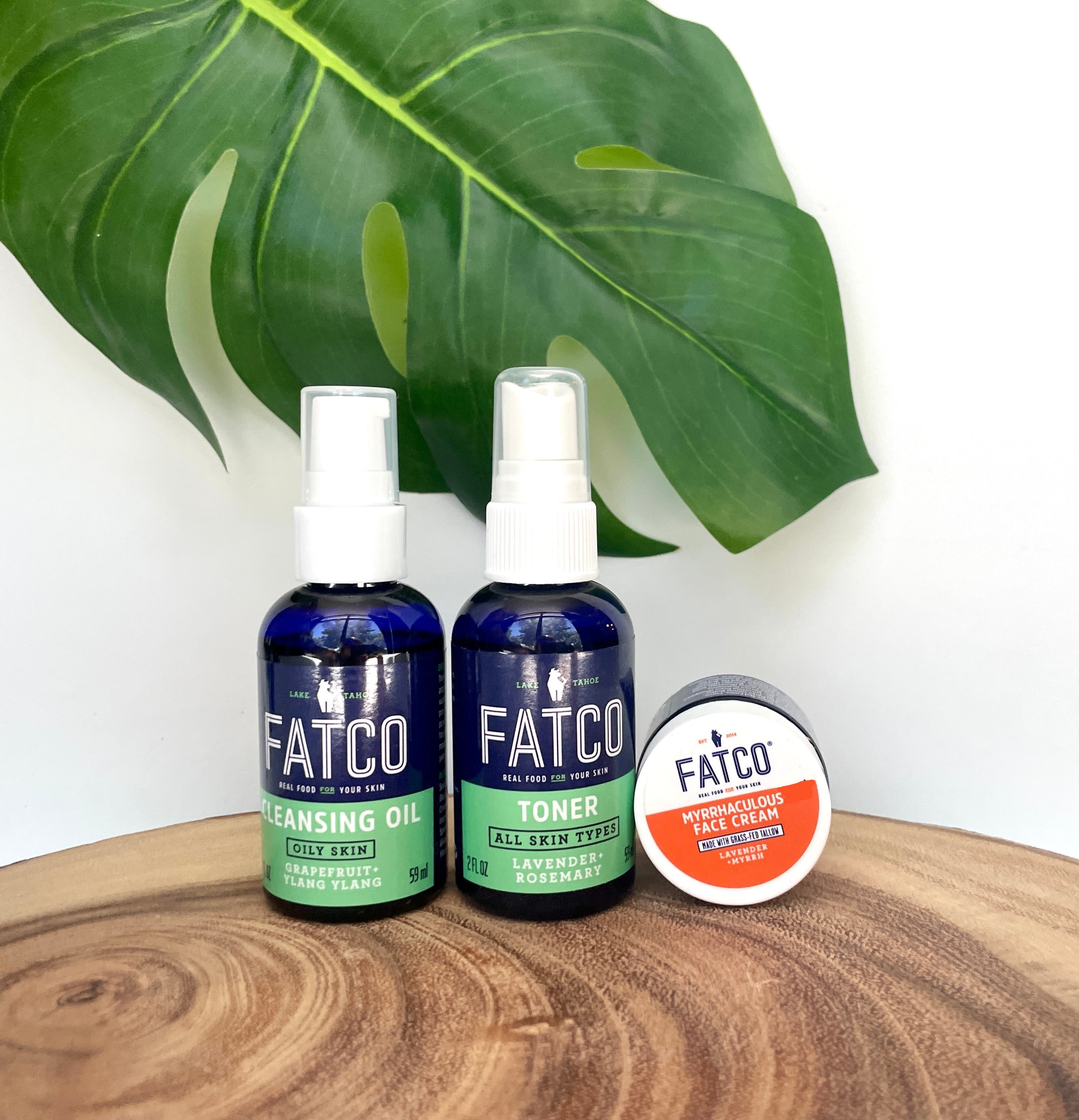
- For skin use only, a finished product beats raw bulk. If you want the benefits of tallow without rendering equipment or a 10-pound freezer commitment, FATCO's tallow balms start where the bulk process ends.
Who Actually Needs Bulk Beef Tallow
Bulk buying pays off when your consumption rate is high enough to burn through volume before quality degrades. Here is where that threshold realistically sits.
High-Volume Home Cooks
Families cooking three to five meals per week in tallow will go through two to three pounds per month without trying. At that pace the pail beats the jar by a wide margin. US Wellness Meats sells the same triple-filtered tallow at $27.56 per pound in 14 oz jars and $13.80 per pound in a 7.5 lb gallon pail, so the step up roughly halves the unit cost. If tallow has replaced seed oils and butter in your kitchen rotation, bulk sizing is simply the economical choice.
Restaurants and Food Service
Kitchens that use tallow for frying, searing, or finishing dishes run through volume fast. A busy grill station can use several pounds in a week. At that scale, purchasing in 25 to 50 pound quantities from a food-service supplier is not just cheaper per unit, it also reduces how often the kitchen needs to reorder. Grass-fed sourcing at wholesale is available from larger regional producers and some national distributors.
DIY Soap and Candle Makers
Tallow is one of the traditional bases for cold-process soap because of its palmitic and stearic acid content. USDA reference data puts beef tallow at 24.9 grams of palmitic and 18.9 grams of stearic acid per 100 grams, and a 2026 study in Scientific Reports on tallow bar soap describes those two saturated fatty acids as what produces the hard texture and rich, creamy lather expected from a quality bar. Soap batches typically require one to two pounds of fat at minimum, and serious hobbyists run multiple batches per month. A 10-pound bulk purchase covers several batches and often costs less per ounce than buying retail soap-grade tallow in smaller quantities.
DIY Skincare Formulators
Making your own tallow balm from scratch requires more than just the fat. You need the raw beef fat, a slow rendering process, fine-mesh straining, and clean storage containers. If you are already set up for this and you mix large batches to share, gift, or sell, buying bulk beef tallow in five to 10 pound quantities makes sense. If you are a single-person household experimenting with tallow for the first time, a smaller quantity (two pounds or less) is a better starting point before committing to a bucket.
If you are still deciding whether tallow belongs in your skincare routine, settle that question before buying raw fat in volume.
Bulk Beef Tallow Price Tiers by Volume
Pricing varies significantly based on sourcing standards, volume, and whether the tallow is already rendered. Every figure below was checked against the seller's live page in July 2026; prices in this category drift, so confirm before you order.
| Listing (checked live, July 2026) | Size | Price | Per pound |
|---|---|---|---|
| White Oak Pastures, grassfed beef tallow | 16 oz glass jar | $15.99 | $15.99 |
| Fatworks, grass-fed beef tallow | 14 oz glass jar | $18.25 | $20.86 |
| Fatworks, organic grass-fed beef tallow | 14 oz glass jar | $20.75 | $23.71 |
| US Wellness Meats, premium triple-filtered tallow | 4 x 14 oz | $96.45 | $27.56 |
| US Wellness Meats, premium triple-filtered tallow | 1 gallon pail, 7.5 lb | $103.50 | $13.80 |
| Fatworks, grass-fed tallow "The Bucket" | 1 gallon | $101.00 | n/a, weight not published |
| Fatworks, grass-fed tallow "Big Boy" | 5 gallon | $250.00 | n/a, weight not published |
| Butcher Boy commercial food-grade tallow (not grass-fed) | 50 lb | $134.49 | $2.69 |
Two things fall out of that table. Grass-fed rendered tallow at jar sizes runs from about $16 to nearly $28 per pound, which is higher than most bulk guides claim. And the jump to a gallon pail is where the real saving sits: at US Wellness the same tallow costs $27.56 per pound in 14 oz jars and $13.80 per pound in the gallon pail, a drop of about half.
A note on commodity tallow: the gap between grass-fed product and the commodity market is much wider than a retail price list suggests. USDA's Agricultural Marketing Service priced packer bleachable tallow at $75.25 per hundredweight in its 30 July 2026 by-product report, which is about 75 cents a pound. That is industrial rendering from conventionally raised cattle, destined for soap and feed rather than skin. Research on grass-fed beef documents measurably different fatty acid composition compared to grain-fed sources, including higher conjugated linoleic acid and omega-3 content. When you see tallow priced anywhere near the commodity number, that is what you are buying.
What to Look For in a Bulk Tallow Source
Not every seller offering tallow in bulk volume is providing the same product. Here is what separates quality sources from commodity suppliers.
Suet vs. Trim Fat
The highest quality tallow starts with kidney suet, the dense fat that surrounds the kidneys and organs. Suet-rendered tallow is cleaner, milder in smell, and produces a smoother finished product. Trim fat (fat removed from muscle cuts during processing) works for cooking but produces tallow with more inconsistency in color and scent.
For skincare-grade tallow, suet origin matters. If a bulk listing does not specify suet, ask. Most serious small producers will tell you.
Rendering Method
Slow, low-temperature wet or dry rendering preserves more of the fat's integrity and keeps the smell mild. High-heat commercial rendering is faster but can degrade quality. Dry-rendered tallow (no water in the process) generally stores better and has a longer shelf life.
Grass-Fed Verification
Grass-fed is not just a label. The feeding approach affects the ratio of conjugated linoleic acid, omega-3s, and fat-soluble vitamins in the fat. When you buy raw beef fat from small farms and direct-to-consumer producers, grass-fed verification usually means you can ask for a farm name, a state, and a quick description of their grazing practices. Wholesale platforms rarely provide that level of detail.
Bulk Beef Tallow Storage Requirements
One of the genuine benefits of tallow is its stability. USDA reference data puts beef tallow at 49.8 grams of saturated and 41.8 grams of monounsaturated fat per 100 grams, with only 4 grams polyunsaturated. It is not overwhelmingly saturated, as it is often described, but that low polyunsaturated fraction is the part that matters for oxidation, and it is why tallow is solid at room temperature and keeps far better than a seed oil.
Storage guidance is where sellers genuinely disagree, so check the jar rather than a generic table. Fatworks calls its grass-fed tallow naturally shelf stable. US Wellness Meats says its triple-filtered tallow is shelf stable but lasts longer kept cold. White Oak Pastures instructs that its rendered tallow must be refrigerated or frozen, both before and after opening. If your supplier says refrigerate, refrigerate, regardless of what tallow can do in principle.
For a bulk purchase where the seller allows pantry storage, the practical hierarchy still holds:
- Sealed and dark at room temperature is the shortest window
- Refrigerated in an airtight glass or food-safe container is longer
- Frozen in portioned freezer-safe jars is longest
For anyone buying 10 or more pounds, freezing a portion immediately after purchase is the smart move. Divide the tallow into usable quantities (one-pound jars work well) and thaw only what you need. This way the bulk purchase stays fresh regardless of how slowly you work through it.
Keep tallow away from heat, direct light, and moisture. A properly sealed glass jar in a cool pantry handles everyday use without any refrigeration.
When Bulk Buying Is Overkill
Here is the honest version of this conversation.
If your primary goal is tallow for your face, hands, or a daily skincare routine, you do not need a pail. Tallow is compatible with most skin types (dry, oily, and sensitive) which is why it works well as a finished face product rather than a DIY project. A four-ounce jar of well-formulated tallow balm used twice daily on the face lasts most people two to three months. A pound of raw fat yields roughly two to three four-ounce jars of finished balm once rendering loss and straining are accounted for, so a single pound covers something in the range of half a year for one person. You do not need a pail to find that out.
Rendering tallow yourself is not difficult, but it does require time, a fine strainer, clean glass jars, and enough ventilation that the smell does not linger in your kitchen for a day. If that setup is already part of your routine, the math works. If you are considering buying five pounds of raw tallow specifically to make your first batch of face balm, it is genuinely worth asking whether you want the experience of making it or the result of having it.
For people who want to find quality tallow online for skincare use, the pre-made route removes all of that friction. You get skincare-grade tallow that has already been rendered, strained, and blended to a consistent texture, without the equipment or the rendering session.
Got Questions?
Bulk Tallow FAQ
Q How long does bulk tallow last?
Follow the seller's instruction, because they differ: Fatworks calls its grass-fed tallow naturally shelf stable, while White Oak Pastures requires refrigeration or freezing before and after opening. Refrigeration extends any tallow's life over pantry storage, and freezing portions in airtight jars extends it furthest.
Q Should I refrigerate bulk tallow?
You do not have to, but refrigeration extends shelf life significantly beyond room temperature storage. A one-pound jar in regular rotation is fine in a cool, dark pantry. For a 10-pound purchase, divide it into smaller portions first and keep whatever you are not actively using refrigerated or frozen.
Q How much tallow do I need for DIY skincare?
Less than most people assume. A single batch starts with four to eight ounces of rendered tallow and yields roughly that same volume once blended. One to two pounds covers a solo user for several months. Five or ten pounds only makes sense at scale or when sharing batches.
Q Is buying tallow in bulk worth it?
For high-volume cooking or soap making, yes, the cost drop at the 10-pound tier is real and worth chasing. For someone buying bulk just to try a first batch of face balm, the math gets murkier once rendering time and equipment enter the picture. A finished skincare product is usually the more direct path.
Q What is the difference between suet tallow and trim-fat tallow?
Suet is the dense fat surrounding the kidneys. It renders cleaner, has a milder smell, and produces a more consistent finished product. Trim fat works for cooking but introduces more variability in color and scent. For skincare use, suet-sourced tallow is the better raw material.
Q Can I just buy a ready-made tallow product instead?
Yes, and for most people that is the better answer. Rendering raw fat takes equipment, ventilation, and time that a bucket of bulk tallow does not automatically repay in better skincare. FATCO formulates its balms from grass-fed suet-based tallow, so the rendering, straining, and blending are already handled.
The FATCO Alternative
FATCO's tallow balms are formulated specifically for skin, starting with grass-fed suet-based tallow and blending it with complementary ingredients for texture and absorption. The rendering and formulation are already done. You get the benefits of ancestral-quality tallow in a jar you can use immediately.
For daily face use, the Myrrhaculous Face Cream and Unmyrrhaculous Face Cream are the direct path: no rendering equipment, no 12-month freezer commitment, and no guesswork on formulation. FATCO covers the rest too, from our Tallow Lip Balm guide to full-body options.
If you are cooking at scale, making soap, or running a product business that needs raw material, buying bulk beef tallow in volume makes real economic sense. If you just want great tallow on your skin, the finished product is already there.