Anti-Wrinkle Serums: Ingredients That Earn Their Shelf Space

The anti-wrinkle serum aisle is crowded with promises, but only a handful of ingredients have real evidence behind them. Retinoids top the list, with vitamin C, peptides, and niacinamide playing supporting roles, and sunscreen doing more preventive work than any of them. This guide breaks down what each ingredient actually does, names verified serums where they show up, and is honest about where tallow does and doesn't fit.
Key Takeaways
- Retinoids are the gold standard. No other over-the-counter ingredient has as much clinical evidence for softening fine lines and boosting collagen production.
- Vitamin C and peptides are supporting actives, not replacements for retinoids. Vitamin C adds antioxidant protection against sun damage; the peptide case rests largely on manufacturer testing rather than independent trials.
- Niacinamide and hyaluronic acid round out a routine by calming irritation and holding water in the skin, though neither drives structural change on its own.
- Sunscreen prevents more wrinkles than any serum treats. Skipping daily SPF undercuts every active ingredient on this list.
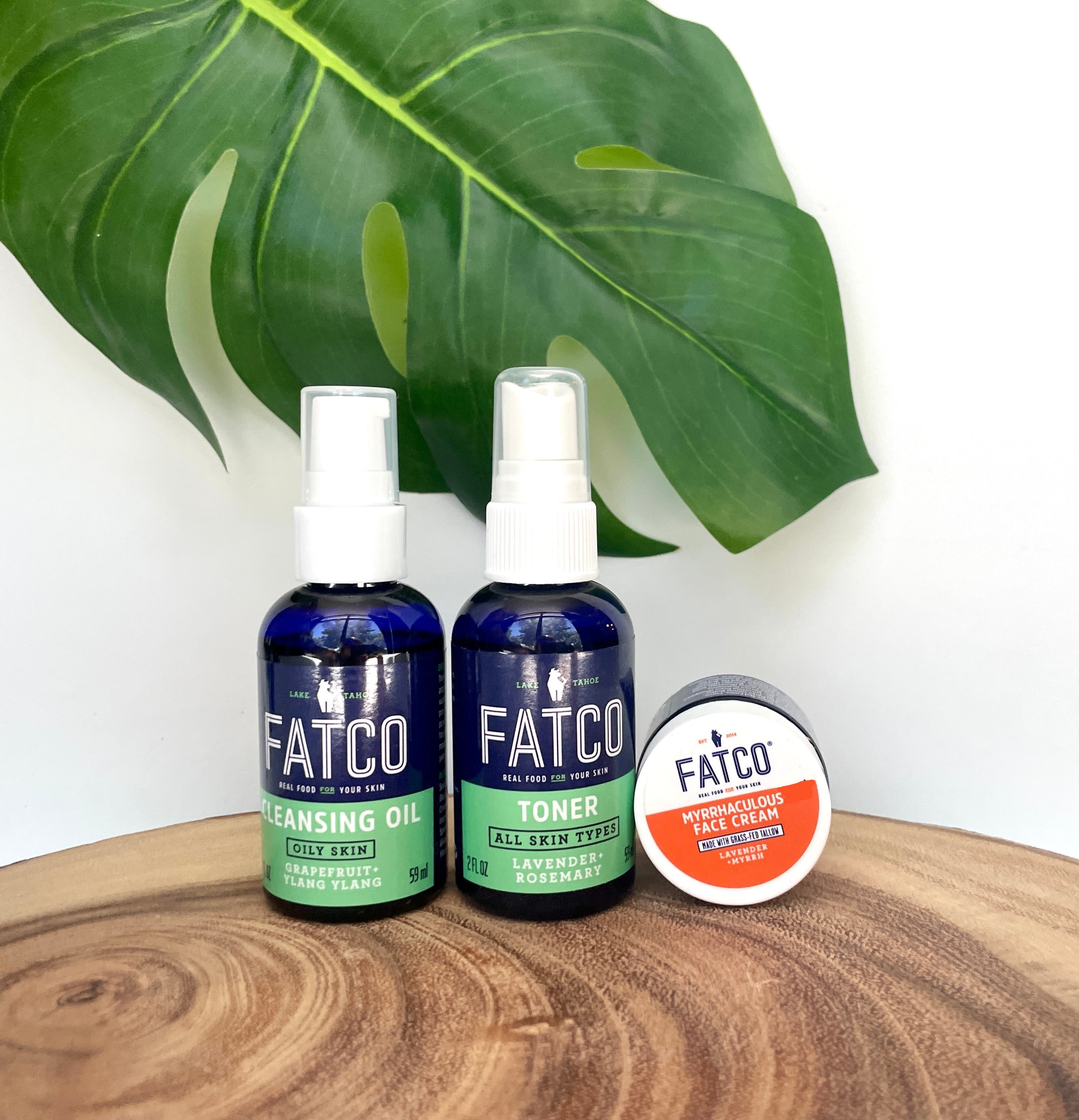
- Tallow is a barrier and moisture complement, not a wrinkle-reducing active. FATCO's tallow face cream pairs well with a proven serum by keeping the skin barrier supported, but it does not stimulate collagen the way a retinoid does.
How Wrinkles Actually Form
Two things drive most visible wrinkles: collagen loss and photoaging. Collagen and elastin, the proteins that keep skin firm and springy, decline naturally with age, and skin also loses subcutaneous fat and slows its own repair process over time. Layered on top of that is photoaging, the cumulative damage from UV exposure that breaks down collagen faster than the body can replace it.
This is why dermatologists rank prevention above treatment. The FDA classifies over-the-counter wrinkle creams and serums as cosmetics, which Mayo Clinic notes means they are regulated less strictly than prescription medicines and do not go through the same safety and effectiveness testing. Mayo's own advice for reliable results starts with sun protection: limit sun exposure, cover up, and use a broad-spectrum SPF 30 or higher daily, all year round. It's the one step people skip most often.
Harvard Health's roundup of science-backed anti-aging ingredients names four that clear the evidence bar over the counter: niacinamide, topical retinoids, alpha hydroxy acids, and hyaluronic acid. Mayo Clinic's list adds vitamin C. Everything below assumes SPF is already part of the routine. The serums are the second layer, not the first.
Anti-Wrinkle Serum Ingredients That Actually Work
Every price below was opened on 31 July 2026 and names the seller it came from. Prices move, so check the retailer before you buy.
Retinoids (Retinol): The Gold Standard
Retinoids, the umbrella term for vitamin A derivatives, have the deepest evidence base of any anti-aging ingredient. Harvard Health reports that topical retinoids have been shown to significantly improve fine wrinkles, likely through increased skin collagen thickness with prolonged use. Retinol is the over-the-counter form; it's milder than prescription tretinoin but works on the same pathway.
Two verified picks span the price range:
The Ordinary Retinol 0.5% in Squalane, $9.30 for 1 oz (30ml) at theordinary.com. A straightforward 0.5% retinol in a squalane base, positioned as a moderate-strength step up from a 0.2% starter formula.
CeraVe Skin Renewing Retinol Serum, $24.99 for 1 oz (30ml) at cerave.com. Pairs encapsulated retinol with three ceramides, niacinamide, and hyaluronic acid, so the barrier support and the active arrive in the same step.
Retinol needs patience. The same guidance suggests building up gradually, from every third night to every other night to nightly, to limit the dryness, redness and irritation that are its most common side effects, and pairing it with a daily SPF 30 or higher because it increases sun sensitivity. Mayo Clinic states plainly that retinoids, retinol included, should not be used during pregnancy.
Vitamin C: The Antioxidant Layer
Vitamin C (L-ascorbic acid) works differently than retinol. It's an antioxidant that neutralizes the free radicals UV exposure generates, and it plays a role in the body's own collagen synthesis. Used daily under sunscreen, it adds a layer of protection against the photoaging that drives most visible wrinkles.
SkinCeuticals C E Ferulic, $185.00 for 1 oz (30ml) at skinceuticals.com. The reference formula in this category: 15% L-ascorbic acid, 1% vitamin E and 0.5% ferulic acid, now sold in a reformulated version that adds 0.3% carnosine and 1.0% endophytol. The often-repeated "doubles the photoprotection" line comes from Lin and colleagues in the Journal of Investigative Dermatology in 2005, and it is worth stating precisely: adding ferulic acid to a 15% vitamin C plus 1% vitamin E solution doubled photoprotection against simulated solar radiation from roughly fourfold to eightfold, measured by redness and sunburn cell formation. That is sun-damage protection, not wrinkle removal, and the comparison is against unprotected skin rather than against vitamin C on its own.
The Ordinary Vitamin C Suspension 23% + HA Spheres 2%, $8.10 for 1 oz (30ml) at theordinary.com. A water-free, high-concentration option at a fraction of the price, with hyaluronic acid spheres added for surface hydration.
Vitamin C oxidizes quickly, so keep it in a dark bottle, store it away from heat and light, and don't expect it to replace sunscreen. It supplements SPF; it doesn't substitute for it.
Peptides: The Gentle Signal
Peptides are short chains of amino acids used as cell-signalling ingredients, with collagen support the usual selling point. Worth knowing where the evidence sits: peptides appear on neither Harvard Health's nor Mayo Clinic's list of over-the-counter anti-aging ingredients with published backing, and most of what is claimed for them comes from the suppliers of the individual peptide complexes. They are gentler than retinoids and better tolerated by reactive skin, which is a real advantage; they are not a substitute for the ingredient with the deeper evidence base.
The Ordinary Multi-Peptide + HA Serum, $19.90 for 1 oz (30ml) at theordinary.com. The brand describes it as combining five peptide technologies with amino acids and multiple hyaluronic acid complexes, aimed at early signs of aging without the irritation curve of a retinoid.
Peptides work well layered under a retinoid at night or used alone in the morning by anyone who can't tolerate a daily retinoid. They're a companion ingredient, not a substitute for one with stronger evidence.
Niacinamide: The Barrier Support
Niacinamide (vitamin B3) doesn't reduce wrinkles directly the way a retinoid does. It supports the skin barrier and calms redness, and it is well tolerated with no serious side effects, on the strength of a split-face trial that used a 5% concentration twice a day.
The Ordinary Niacinamide 10% + Zinc 1%, $6.00 for 1 oz (30ml) at theordinary.com. A high-strength niacinamide serum with zinc PCA added for oil control, commonly layered alongside a retinol at night.
Because it soothes rather than irritates, niacinamide is one of the easiest ingredients to add to a routine that already includes a retinoid or vitamin C.
Hyaluronic Acid: The Hydration Layer
Hyaluronic acid doesn't stimulate collagen, but hydrated skin makes fine lines look less pronounced, and dehydration makes every other active harder to tolerate. It's a humectant that pulls water into the skin, not a moisturizer, so it still needs something to seal it in.
For anyone comparing multi-molecular-weight formulas, our hyaluronic acid serum picks cover that ground in more depth. That guide also looks at when a tallow-based cream can replace the serum step entirely for very dry skin.
How to Choose
The right ingredient depends on your skin's tolerance and what concern matters most right now:
| Concern or skin type | Recommended direction |
|---|---|
| Fine lines, first anti-aging step | Retinol (start with The Ordinary 0.5%) |
| Sensitive or retinol-intolerant skin | Peptides or niacinamide first |
| Sun damage, uneven tone | Vitamin C layered under daily SPF |
| Retinol dryness or irritation | Add niacinamide alongside it |
| Very dry, barrier-depleted skin | A proven serum plus a tallow-based moisturizer |
| New to actives entirely | Niacinamide, then retinol once tolerated |
Most effective routines combine two or three of these rather than relying on one. Retinol at night, vitamin C in the morning under sunscreen, and niacinamide layered in wherever irritation shows up covers the ingredients with the strongest evidence without overcomplicating things.
Layering and Patience
Retinoids and vitamin C shouldn't go on at the same time; retinol works best at night, vitamin C in the morning under sunscreen. Introduce one new active at a time, wait a few weeks to see how skin responds, and only then add the next.
Retinol irritation is common and usually temporary. Dryness, mild peeling, and redness in the first two to four weeks are normal as skin builds tolerance. If irritation is severe or doesn't ease up, drop back to every third night, or add a barrier-supporting face cream to buffer the retinol rather than stopping it altogether.
This is where barrier support earns its place in a routine that leans on actives. The advice for retinoid irritation is to build up slowly and avoid stacking other irritating products, and a plain moisturizer is doing a different job entirely rather than competing with the active. Worth saying honestly: buffering a retinoid with moisturizer is common practice rather than something a trial has quantified.
Got Questions?
Anti-Wrinkle Serum FAQ
Q Do anti-wrinkle serums really work?
The best ones do, within limits. Retinoids have solid clinical evidence for softening fine lines and improving collagen over months of consistent use, and vitamin C adds real antioxidant protection. No serum erases deep wrinkles or replaces what a dermatologist can do with prescription treatments or in-office procedures.
Q What is the best ingredient for wrinkles?
Retinoids have the strongest published evidence, and they are the over-the-counter answer specifically for fine lines, with the improvement likely driven by increased collagen thickness. Sunscreen still matters more for prevention. Among treatment actives, retinol is the one to start with.
Q Is retinol or vitamin C better for wrinkles?
Retinol has stronger evidence for directly softening existing fine lines, since it works on cell turnover and collagen production. Vitamin C works differently, protecting against the UV damage that causes new wrinkles and brightening tone. Most routines use both: vitamin C in the morning, retinol at night.
Q At what age should I start using an anti-wrinkle serum?
There is no evidence-based starting age, and no source we could find sets one. What the guidance does support is that daily sunscreen is the highest-value habit at any age, and that retinol is worth adding once fine lines are the concern you actually want to treat. Build up slowly whenever you start, and skip it during pregnancy.
Q Can you reverse wrinkles once they've formed?
Not fully. Retinoids and consistent vitamin C use can soften fine lines and improve texture over months, but they don't undo the structural collagen loss behind deeper, established wrinkles. Prescription retinoids, injectables, and in-office resurfacing go further than anything applied at home.
Q Does FATCO make an anti-wrinkle serum?
No, and it's worth being upfront about that. FATCO's tallow-based face creams support the skin barrier and lock in moisture, which can make fine lines look softer through hydration. Tallow doesn't stimulate collagen production the way a retinoid does, so think of it as a complement to a proven serum, not a replacement for one.
The FATCO Alternative
FATCO doesn't make a retinol or vitamin C serum, and tallow isn't a collagen-stimulating active in the way those ingredients are. What grass-fed tallow does well is support the skin barrier and hold moisture in. That support is exactly what makes retinol or vitamin C easier to tolerate day to day. Myrrhaculous Face Cream is built on that principle: a barrier-first moisturizer meant to pair with your serum, not replace it.