How to Oil Cleanse: The Complete Method for Every Skin Type
THE SHORT ANSWER
Apply a small amount of cleansing oil to a completely dry face, massage gently for 60 seconds, then press a warm damp cloth to your skin to emulsify and wipe away. No harsh stripping, no squeaky-clean feeling — just clean, comfortable skin.
Most cleansers on the market are doing your skin a disservice. They're formulated to remove oil — all of it — and they're very good at that job. The problem is your skin needs oil. It produces sebum to protect, hydrate, and maintain a healthy barrier. When you strip that away twice a day with a foaming cleanser loaded with surfactants, your skin either compensates by producing more, or it tightens up and flakes. Neither is what you want.
Oil cleansing works differently. It works with your skin instead of against it — and once you understand the method, it's hard to go back.
What Is the Oil Cleansing Method?
The oil cleansing method (OCM) is based on a simple chemistry principle: like dissolves like. Oil dissolves oil. When you massage a cleansing oil onto your face, it binds to the excess sebum, sunscreen, makeup, and environmental buildup sitting on your skin. A warm cloth then lifts all of it away — without disrupting your skin's acid mantle or stripping the lipids that keep your barrier intact.
The result is clean skin that doesn't feel tight and doesn't require five follow-up products to feel comfortable again. It isn't a new idea — oil-based cleansing shows up in ancient Egyptian and traditional Japanese skincare. What's new is that the Western skincare world is finally catching up.
How Do You Oil Cleanse, Step by Step?
The method is simple, but the details matter. Here's exactly how to do it.
- Start with a completely dry face. This is the step most people skip. Water and oil don't mix — if your face is wet, the cleansing oil can't properly bind to the sebum and buildup. No rinsing first. Dry hands, dry face.
- Dispense a quarter-sized amount into your palms. Warm it between your hands for a few seconds before applying. Enough to cover your face without dragging.
- Massage for at least 60 seconds. Circular motions, covering the hairline, nose, and under the jawline. This is where the cleansing actually happens — the massage works the oil into pores and loosens what's sitting in them. Don't rush it.
- Wet a clean cloth with warm water. Warm, not hot. Hot water is drying and unnecessary. A soft washcloth or muslin cloth works best.
- Press the warm cloth gently to your face. Hold for 10–15 seconds. The warmth and moisture emulsify the oil so it wipes away without scrubbing.
- Wipe gently. Light, downward strokes. The oil has already done the work; the cloth is just removing it.
- Repeat with a fresh section if needed. Heavy makeup or sunscreen may need a second pass. That's normal.
- Follow with moisturizer if your skin wants it. Many people need less than they expect after oil cleansing. If your skin is dry, or it's winter, a light layer of face cream is a good finish.
How Should You Oil Cleanse for Your Skin Type?
The core method is the same for everyone, but your skin type affects how often you cleanse, how much oil you use, and which formula you reach for.
Oily skin: counterintuitive as it sounds, oil cleansing suits oily skin well. Over-stripping with harsh cleansers leaves skin tight and can drive it to compensate. Oil cleansing removes sebum without that stripping step. Use a lighter formula and stick to once daily, in the evening. There's more in our guide on oil cleansing for oily skin.
Dry skin: ideal. It removes buildup while leaving the barrier better off than a foaming cleanser would. You can be slightly more generous with the amount, and may want a heavier moisturizer after in colder months.
Combination skin: focus the massage on the oilier T-zone and go gentler on drier cheeks. One balanced formula is enough — you don't need two cleansers.
Acne-prone skin: the oil you choose matters most here. Coconut oil has a published comedogenic rating of 4 and is a common trigger. Start slowly, every other day, and give it four to six weeks before drawing conclusions.
What Are the Most Common Oil Cleansing Mistakes?
Most people who say oil cleansing didn't work for them made at least one of these.
Applying to a wet face. The number-one error. Wet skin stops the oil binding to what you're trying to remove. Always start dry.
Not massaging long enough. Thirty seconds isn't enough. Sixty is the minimum. Set a timer the first few times until it becomes habit.
Using the wrong oil. Not every oil belongs on your face. Coconut oil is highly comedogenic for many people despite its popularity. Heavily refined oils can leave residue.
Over-cleansing. Twice daily is overkill for most people. A warm water rinse in the morning is usually enough — your skin hasn't got dirty overnight. Save the oil cleanse for evening, when you're removing sunscreen and a day of exposure.
Water that's too hot. Hot water strips skin much like a harsh cleanser does. Warm water emulsifies the oil perfectly well without the stress.
Does the Oil You Choose Matter?
Yes, more than the technique does. This is where a lot of mass-market cleansing oils fall short — they're built around whatever is cheapest rather than what suits skin.
Your skin's surface is a specific blend of lipids: fatty acids, cholesterol and squalene. A cleansing oil made from lightweight, well-tolerated oils cleans effectively and wipes away cleanly. Heavily processed oils, or high-comedogenic ones like coconut, are more likely to leave residue behind.
A note on FATCO's own products, since it's a common point of confusion. FATCO makes two different things here, and they are not the same:
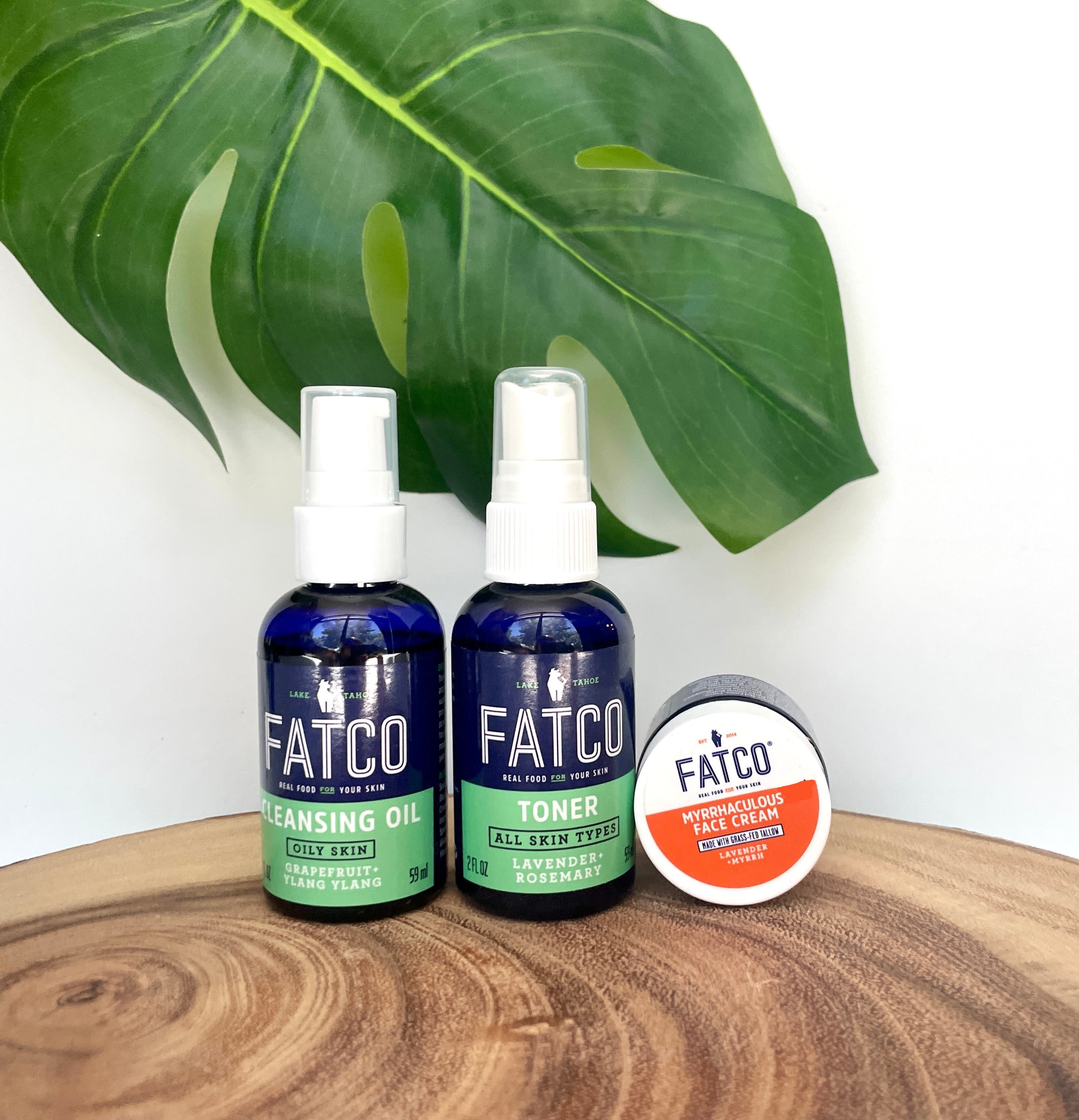
- The three Cleansing Oils — for dry, normal/combo and oily skin — are organic plant-oil blends anchored on castor oil. They contain no tallow and are vegan friendly.
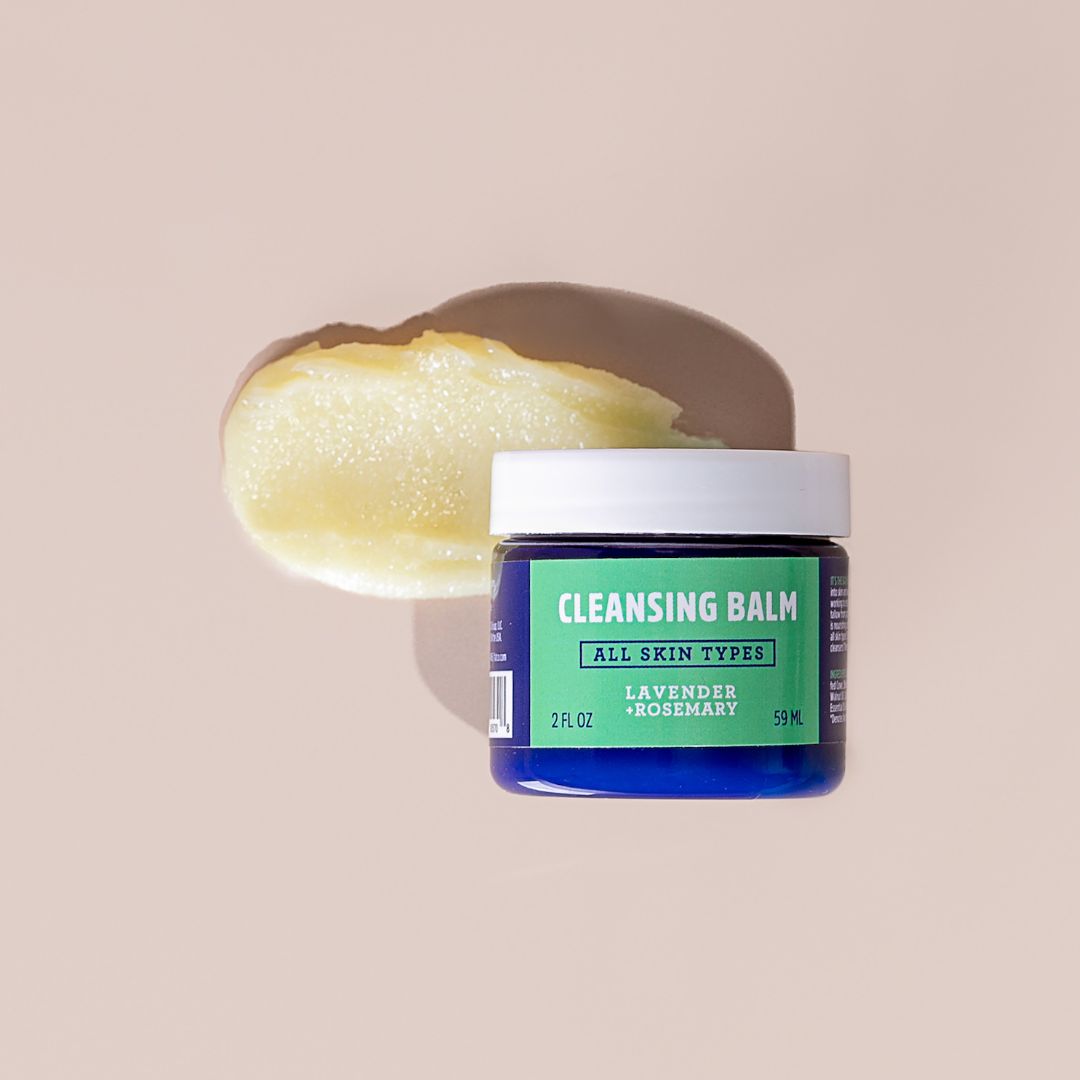
- The Cleansing Balm is the tallow one. It's solid at room temperature, melts on contact, and is built on grass-fed tallow.
If the appeal of tallow is what brought you here, the balm is the cleanser that has it. If you want a liquid oil cleanser, or you're avoiding animal ingredients, the Cleansing Oils are the plant-based route. Both follow the same method described above.
FATCO Cleansing Oils
Find Your Formula
Organic plant-oil blends. Vegan friendly, no tallow. $14 for 2 oz.


Prefer tallow? The Cleansing Balm is the tallow-based cleanser.
Got Questions?
Oil Cleansing FAQ
Can you oil cleanse every day?
Yes, for most people. Evening oil cleansing daily suits the majority of skin types. In the morning you typically don't need a full cleanse — a warm water rinse is enough. If you're new to it, start every other evening and increase as your skin adjusts.
Is oil cleansing good for acne-prone skin?
It can be, but the oil you choose is critical. Avoid coconut oil, which has a published comedogenic rating of 4 and is a common trigger. Start slowly and give your skin four to six weeks before drawing conclusions.
Do you need to double cleanse after oil cleansing?
Not usually. A properly done oil cleanse — dry skin, 60-second massage, warm cloth — is thorough on its own. Double cleansing adds an unnecessary stripping step for most people. If you wear very heavy, long-wear makeup, a light follow-up can make sense.
Do FATCO's cleansing oils contain tallow?
No. All three FATCO Cleansing Oils — dry, normal/combo and oily — are organic plant-oil blends anchored on castor oil, and they are vegan friendly. The Cleansing Balm is the FATCO cleanser that contains grass-fed tallow.
What's the best oil for oil cleansing?
There isn't one universal answer — it depends on your skin. Lighter oils such as grapeseed and jojoba suit oily skin; richer ones such as avocado and argan suit dry skin. What most people should avoid is coconut oil, which is highly comedogenic, and heavily refined oils that can leave residue.
Will oil cleansing clog my pores?
Not for most people, provided you're using a suitable oil and removing it properly with a warm cloth. The idea that oil on oily skin must clog pores is a misconception — the oil binds to the sebum already sitting in your pores and lifts it away. More on how to read a formula in our pore-clogging ingredients checker.