Whipped Body Butter Recipe: Three Ingredients and a Cold Bowl

Whipped body butter is three ingredients and one technique, and the technique is the part that goes wrong. Get the cooling stage right and you get a light, scoopable cream. Get it wrong and you get a grainy block, which is the single most common complaint about homemade body butter and has nothing to do with the recipe.
Key Takeaways
- Whipping adds air, not moisture. It changes how the same fats feel and spread. It does not make them more hydrating.
- The ratio decides firmness, the cooling decides texture. Roughly four parts butter to one part oil, cooled fast, whipped cold.
- Graininess is shea recrystallizing, not a mistake in the measuring. Melt it fully, cool it quickly, and the grains do not form.
- No water means no preservative, and that holds only while the jar stays dry. FDA lists dipping fingers into a product among the routes to contamination.
- A whipped butter is an occlusive, so it works best on damp skin. It seals what is already there rather than delivering anything new.
What Whipping Actually Does
Nothing chemical. You are beating air into a fat that has already been melted and partially set, and the air stays trapped in the crystal network as it firms up. The result is lower density, a lighter drag under the hand, and a product that scoops rather than digs.
That is genuinely worth having. It is not, however, a change in what the butter does once it is on skin. The same shea, the same oil, the same amount of fat per application. Anyone selling whipped as a performance upgrade is selling you texture, which is a real benefit described honestly and an invented one described dishonestly. The same distinction applies to whipped tallow versus the plain rendered kind.
The Recipe
Makes roughly 8 oz (240 ml).
- 1 cup solid butter. Shea is the standard. Cocoa or mango butter makes it firmer, rendered tallow makes it richer and less waxy. A half-and-half shea and tallow blend is the most forgiving version.
- 1/4 cup liquid oil. Jojoba, sweet almond, olive or avocado. Go to 1/3 cup for a softer set in a cold house, drop to 3 tablespoons for a firmer one in a warm climate.
- 2 tablespoons arrowroot powder, optional. This is the difference between a butter that feels greasy for twenty minutes and one that feels dry to the touch in two.
Essential oil, if you want it, is 20 to 30 drops for this batch size, added at the very end.
Step by Step
- Melt the butter completely. A double boiler, or a heatproof bowl over simmering water. Completely is the operative word: any unmelted fraction seeds the crystals that turn the finished batch grainy.
- Stir in the liquid oil off the heat, and the arrowroot if you are using it. Whisk until no lumps remain.
- Cool it fast. Into the fridge for 20 to 40 minutes, or into a bowl set inside a larger bowl of iced water. You want it opaque and soft-set, like thick frosting, not solid.
- Whip cold. Five to ten minutes with a hand mixer on medium. It will pale, roughly double, and hold soft peaks. Stop when the peaks hold.
- Add the essential oil and give it another thirty seconds.
- Spoon into a clean, dry jar and leave the lid off for an hour so it firms without trapping condensation.
Do not chill the finished butter. It sets too hard, and re-whipping a cold set batch reintroduces the grain.
Why It Goes Grainy, and How to Stop It
Shea butter contains fats that melt at different temperatures. If the melt is incomplete, or if the cooling is slow, the higher-melting fraction separates out and crystallizes into small hard beads while the rest stays soft. That is the grit. It is cosmetic rather than a spoilage sign, and it melts on contact with skin, but it feels like sand and it puts people off the format entirely.
Two rules prevent it. Melt everything, past the point where the last streaks disappear. Then cool quickly, so the whole mass sets together instead of the hard fraction setting first.
If a batch has already gone grainy, remelt it fully and cool it fast the second time. It works. Tallow-heavy blends are noticeably less prone to this than pure shea, which is one practical reason to blend rather than to purify.
Storage, Shelf Life and the Water Rule
There is no water in this recipe, and that is why it needs no preservative. A 2018 review of cosmetic preservation in Molecules puts the reason plainly: water is usually the major constituent of cosmetics, and it is an ideal growth factor for microorganisms. Remove it and there is nothing for a preservative to protect.
The protection is conditional on the jar staying dry, which is a habit rather than a formula. FDA lists the routes by which cosmetics become contaminated, and alongside poor storage and inadequate packaging it names consumer use such as dipping fingers into the product. Its advice is to keep containers clean and wash hands before applying.
In practice: dry hands or a small spoon, lid on, out of the shower. Expect six to twelve months, governed by the shelf life of your oils rather than by the butter. A batch that smells like old crayons or sharp nuts has gone rancid and should go in the bin, not on skin.
How to Choose Your Ratio
| What you want | Butter | Oil | Notes |
|---|---|---|---|
| Firm, travels well | 1 cup | 3 tbsp | Cocoa or mango butter in the blend |
| Standard whip | 1 cup | 1/4 cup | The version above |
| Soft, cold-climate | 1 cup | 1/3 cup | Will slump above room temperature |
| Least greasy finish | 1 cup | 1/4 cup | Add 2 tbsp arrowroot |
| Richest on very dry skin | 1/2 cup shea, 1/2 cup tallow | 1/4 cup | Also the most grain-resistant |
Where It Fits in a Routine
A whipped butter is an occlusive. It sits on the surface and slows water leaving, so it performs best on skin that still holds some water. Straight out of a shower, rather than at the end of a dry day. That is the same reason a waterless lotion bar behaves differently from a bottle of lotion: both deliver the sealing half of moisturizing and neither delivers the water.
It is heavy for faces and excellent for shins, elbows, heels and hands. If your skin is dry despite regular moisturizing, the format is rarely the problem and the reasons usually sit elsewhere.
Got Questions?
Body Butter FAQ
Q What is the difference between body butter and whipped body butter?
Only air. Both are the same blend of solid butters and liquid oils. Whipping beats air into the mix as it sets, which lowers the density and makes it lighter to apply. The ingredients and the amount of fat per application are identical.
Q What is whipped body butter made of?
A solid butter such as shea, cocoa, mango or tallow, plus a liquid carrier oil, in roughly a four to one ratio. Many recipes add arrowroot or cornstarch to cut the greasy feel, and essential oil for scent. There is no water.
Q How long should you whip body butter for?
Five to ten minutes with a hand mixer, starting from a soft-set chilled base. You are done when it holds soft peaks and has roughly doubled. Whipping warm liquid butter does nothing, because there is no crystal structure yet to trap the air.
Q What is the best formula for body butter?
One cup solid butter to a quarter cup liquid oil is the reliable starting point. Adjust the oil up or down for your climate rather than changing the butter. Blending two butters, or blending shea with tallow, resists graininess better than a single fat.
Q How do you make whipped tallow for skin?
Same method, tallow in place of shea. Render or buy the tallow, melt it completely, add a quarter of its volume in liquid oil, chill until soft-set, then whip cold. Tallow whips well and is less prone to the grainy set than shea.
Q What is whipped tallow used for?
Body moisturizing, mainly, on dry areas like shins, elbows and heels, plus hands and cuticles. Some people use it on faces, though it is heavy for that. It is an occlusive, so it seals in water already present rather than adding any.
The FATCO Alternative
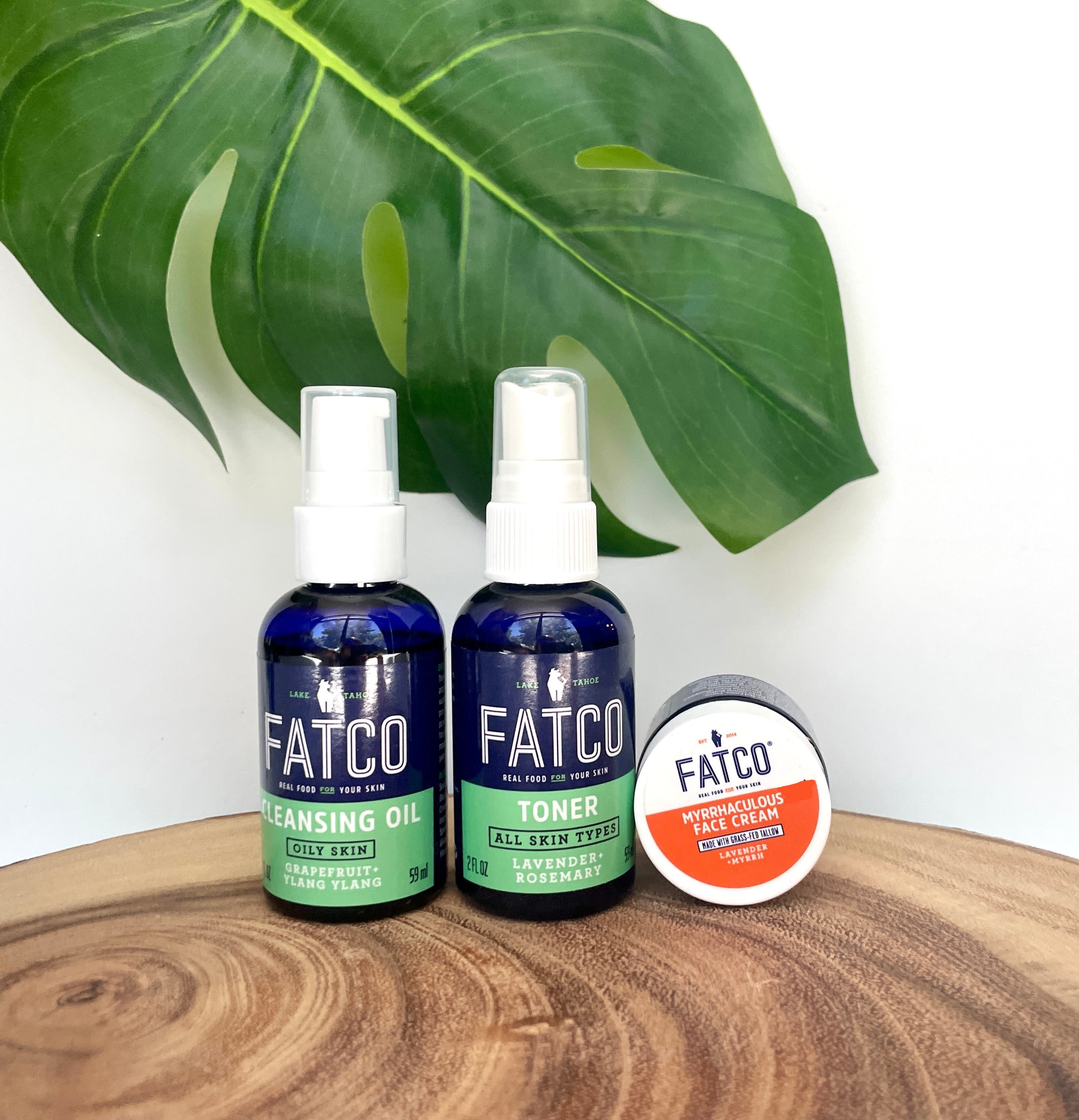
If you like the result but not the mixing, FATCO's Body Butta is the same idea made in batches that behave the same way every time. Tallow from grass-fed cows as the base, with cocoa, mango and shea butters, olive, almond and avocado oils, and beeswax to hold the set. It comes calming, with lavender and clary sage, invigorating, or as Baby Butta with no added scent. Reach for the last one if fragrance is what your skin objects to.