Itchy Skin: Common Causes and What Actually Helps

Most itchy skin comes down to dryness. Cleveland Clinic names dry skin as the most common cause of itching. Its short list of usual causes adds contact with an allergen, pregnancy, and reactions to medication. Past those four, the list widens into eczema, bites and mites, and a smaller group of internal diseases where itch can be the only outward sign. Which group you are in matters more than which cream you buy. Several do not respond to moisturizer at all.
Key Takeaways
- Dry skin is the most common cause and the most fixable. It usually improves when you change how you wash, not what you apply.
- Rash or no rash is the first useful question. Itch with a rash points to the skin. Itch with nothing visible points elsewhere.
- Six weeks is the dividing line. Cleveland Clinic calls itching chronic past that point, and chronic itch deserves a diagnosis.
- A few causes are medical, and one is urgent. Severe itching in late pregnancy, usually with no rash and sometimes starting on the hands and feet, needs a call to your pregnancy care provider right away.
- Tallow works on the dryness side only. It slows water loss from a thinned barrier. It does nothing for itch driven by kidney disease, mites, or an allergen.
How to Tell the Causes Apart
Itch is a symptom, not a diagnosis, and the pattern matters more than the intensity.
| Pattern | Usually points to | First move |
|---|---|---|
| Tight, flaky skin, worse in winter and after showers | Dry skin, thinned barrier | Cooler showers; moisturize damp skin |
| Itchy rash hours or days after contact with something new | Allergic contact reaction | Stop the suspect product; see a dermatologist |
| Defined patches returning to the same spots | Eczema or another inflammatory condition | Get a diagnosis; fragrance-free moisturizer |
| Itch peaking at night, bumps in lines on hands and wrists | Scabies or another infestation | See a doctor for diagnosis and treatment |
| Widespread itch, no rash, lasting weeks | Possible internal cause | See a doctor, not another product |
When to See a Doctor About Itchy Skin
Two situations are emergencies. Everything else below is a reason to book an appointment, not to panic.
Call emergency services if hives come with difficulty breathing, dizziness, or swelling of the face, lips, tongue, or throat. Cleveland Clinic flags that combination as possible anaphylaxis.
Call your pregnancy care provider right away if you are pregnant and itching severely, especially on the hands and feet or at night, even with no rash. Severe itch without a rash is the main symptom of intrahepatic cholestasis of pregnancy, a liver condition that carries real risk to the baby. Cleveland Clinic adds light-colored stool and extreme fatigue as reasons to call.
For everything else, Cleveland Clinic advises contacting a provider when:
- Itching lasts longer than a couple of weeks
- The itch interferes with your sleep
- Skin is swollen, oozing pus, or crusty, with fever, nausea, or vomiting
- The treatment your provider recommended is making it worse
- New symptoms appear alongside it: weight change, fatigue, mood changes, or bowel changes
Two more belong there. Intense itch with nothing visible is a reason to be seen, since the American Academy of Dermatology notes itch can be the only symptom of internal disease. A new or changing spot that itches should also be checked, because for many people that is the only sign of skin cancer.
Dry Skin and a Thinned Barrier
Dry skin itches because less fat is holding water at the surface, and the same guidance says extremely dry skin can be intensely itchy. Age compounds it. By 65 the skin is thinner and holds less moisture, and itching past that age has a clinical name of its own, senile pruritus.
If your itch is the dry kind, the useful question is what is drying your skin out. Heated indoor air, hot showers, strong cleansers, and falling oil production with age are the usual answers, and fixing those beats upgrading a cream. The advice that follows is unglamorous: moisturize regularly, right after bathing, while skin is damp.
If you moisturize and itch again within the hour, check the formula and the routine before assuming a second condition. It is the pattern behind skin that stays dry after moisturizing.
Irritant and Allergic Contact Reactions
When something touching your skin irritates it or triggers an allergy, the first sign is often itch, followed by a rash and sometimes blisters. The timing is the tell. An allergic reaction usually appears hours or days after contact, which is why people miss the cause.
More than 15,000 things that touch our skin can cause an allergic reaction, by the academy's count. It names fragrance and nickel among the more common ones, and nickel turns up in phones, jewelry, eyeglass frames, zippers, and belt buckles.
Irritant reactions need no allergy at all. Repeated handwashing or frequent water contact is enough to leave hands raw and itchy. Only avoiding the cause clears contact dermatitis, and finding it often takes a dermatologist or allergist. Meanwhile a short-ingredient-list moisturizer for sensitive skin removes fragrance from the equation.
Eczema and Other Inflammatory Conditions
The published list of intensely itchy skin conditions is long: atopic dermatitis, dyshidrotic eczema, psoriasis, hives, seborrheic dermatitis, ringworm, and shingles among them. Relief depends on knowing which one you have, which means a diagnosis from a board-certified dermatologist.
Hives are the easiest to recognize: itchy raised welts that can change size or shape, can move around the body, and leave no mark or bruise. Any one welt lasts no more than 24 hours in a given spot, and Cleveland Clinic reports that hives affect up to 20% of people.
Eczema is the opposite pattern: defined patches that keep returning to the same places. It needs a dermatologist's plan rather than a product swap. A fragrance-free, steroid-free moisturizer is the standard step between flares, and picking an eczema cream comes down to texture and ingredients.
Bites, Mites, and Infestations
A mosquito bite announces itself and fades. Published guidance draws the distinction: when bugs live on your skin or feed on you nightly, the itch can turn long-lasting and uncontrollable. Bedbugs, head lice, and scabies mites are the three named.
Scabies is worth knowing. Itching mainly at night is its most common symptom, and it can be intense enough to keep you awake. Many people get a rash of little bumps that often form a line, and mites prefer skin between the fingers, around the nails, and at the wrists and elbows. First-time symptoms can take two to six weeks to appear, which is why the source often seems mysterious.
When the Itch Comes From Inside Your Body
These are the less common causes here, and the ones where itch matters most. The academy's page on itch that signals internal disease lists blood disorders, diabetes, kidney disease, liver disease, HIV, and an overactive thyroid gland. It adds that a dermatologist often helps diagnose these, because itch can be the only symptom.
Kidney-related itch belongs mostly to advanced kidney disease, in people near dialysis or already on it. The AAD says it can be widespread and especially intense on the back, arms, and legs. Cleveland Clinic describes it as often not specific to any one part of the body, so location alone will not identify it. The same page reports that up to 70% of people on hemodialysis get some degree of it, alongside roughly 25% with chronic kidney disease who are not on dialysis. Liver-related itch differs. It often starts on the palms and soles before spreading, and it appears with hepatitis C, cirrhosis, and an obstructed bile duct.
Pregnancy is the one that cannot wait. Intrahepatic cholestasis of pregnancy, the liver condition in the red flags above, typically appears after the 28th week. It can start earlier, though, and the itching is usually worse at night. Reported rates run roughly 1 to 2 in 1,000 pregnancies. The risk it carries is to the baby, which is why that call is urgent rather than optional.
Two more deserve honesty. Thyroid disease and diabetes appear on both organizations' lists. An expert consensus review on chronic pruritus rates the evidence lower: itch in diabetes is documented but its frequency is unknown, and thyroid-linked itch is only reported in patients. Describe the pattern to a clinician and let them decide what to check.
What Actually Helps, and What Does Not
Moisturizer is the one step nearly every source agrees on. An expert consensus review on chronic pruritus calls moisturizers especially important, alongside mild non-alkaline soaps, lukewarm bathing water, and soft cotton clothing. It advises avoiding heat, frequent washing, and known irritants. The clinic's home-care advice overlaps on most of that: unscented products, warm rather than hot water, cotton instead of wool.
Sources do disagree in places. The clinic suggests a cool washcloth or wrapped ice over an itchy patch, while the consensus panel lists ice packs among things to avoid. Antihistamines split the same way. They appear among the standard pruritus treatments on that same page, while its guidance on kidney-disease itch says experts usually advise against them there.
What does not help is worth stating plainly. Scratching does not reliably relieve the itch, and it breaks skin that can then get infected. No moisturizer, tallow-based or otherwise, touches itch driven by cholestasis, kidney disease, an untreated infestation, or an allergen you still handle. Fat addresses a leaky barrier, not a diagnosis.
Got Questions?
Itchy Skin FAQ
Q Why is my skin itchy for no apparent reason?
Usually because the cause is invisible rather than absent. Dry skin, a delayed allergic reaction, or a medication side effect can all itch with no obvious trigger. Itch that is widespread, rash-free, and lasting more than six weeks is worth taking to a doctor.
Q When should I be concerned about itchy skin?
Cleveland Clinic says contact a provider if itching lasts more than a couple of weeks, disrupts sleep, worsens with treatment, or arrives with signs of infection. New whole-body symptoms like weight change or fatigue also count. Severe itching in late pregnancy needs a call right away.
Q Which part of the body itches with liver problems?
The palms and soles, most characteristically. Dermatology guidance notes that when itch signals liver disease, such as hepatitis C, cirrhosis, or an obstructed bile duct, it often begins there before spreading. Only a clinician can confirm the cause.
Q What deficiency causes itching all over the body?
Iron is the one most often studied. A 2022 study at a single hospital found low ferritin in 29% of 200 patients with rash-free generalized itch, and its authors called the sample small. That is one clinic's cohort, not a population rate. Ask a doctor rather than self-supplementing.
Q Can nighttime itching signal a health issue?
Sometimes. Kidney and liver disease, thyroid disease, diabetes, anemia, and some cancers all sit among the conditions behind night-time itch. Ordinary drivers sit on the same list: dry skin, a higher body temperature at night, and winter heating. Scabies itches worst at night too.
Q How can I make my skin stop itching?
Start with the dryness levers: lukewarm showers, unscented cleansers, cotton clothing, and moisturizer applied while skin is still damp. A rich, fragrance-free balm, tallow-based or otherwise, seals a thinned barrier well. If two weeks of that changes nothing, stop shopping and see a doctor.
The FATCO Alternative
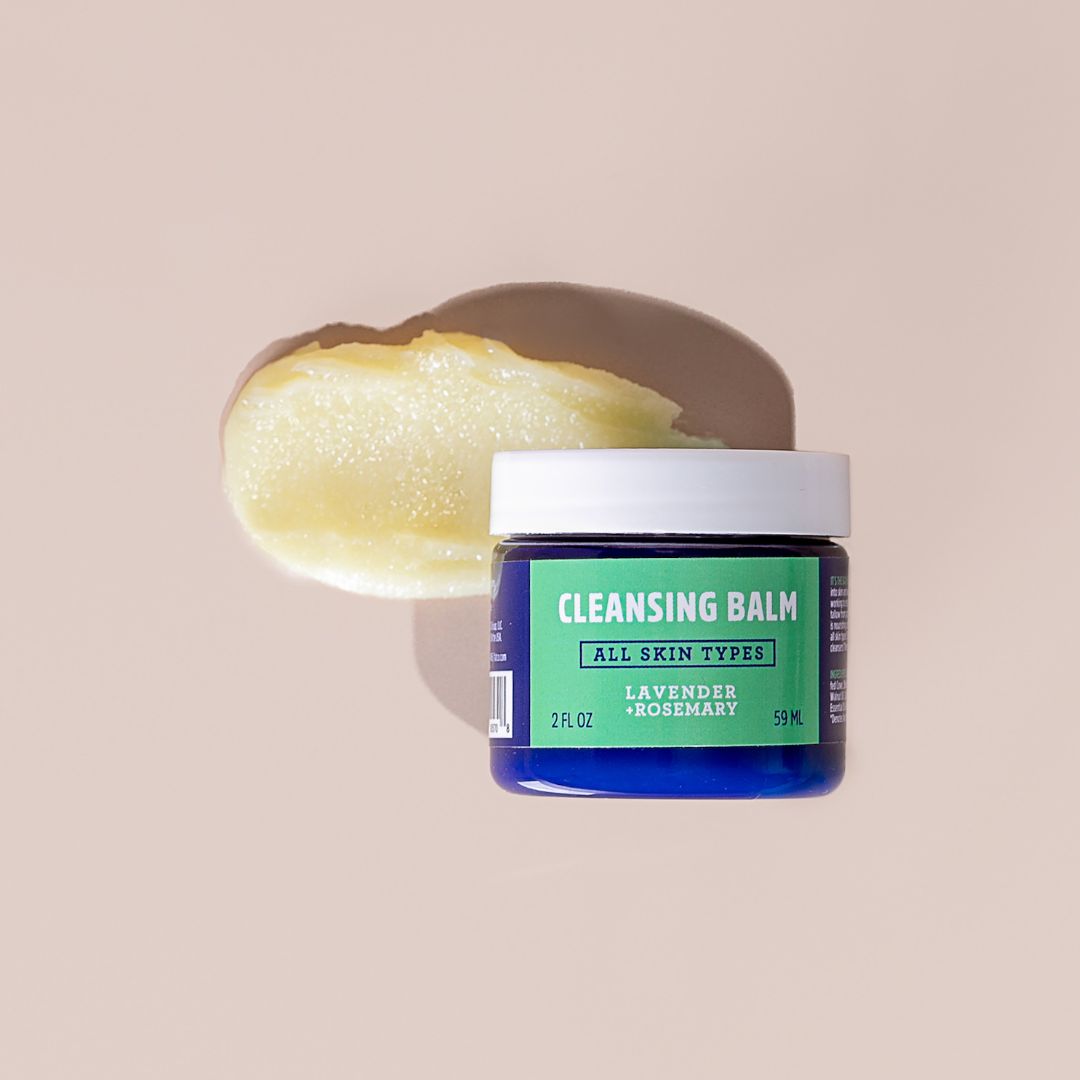
If your itch is the ordinary dry kind, what your skin is short of is fat. Tallow shares several fatty acids with the skin's outer layer, including palmitic, stearic, and oleic acid. The 2024 Cureus scoping review on topical tallow supports that comparison but flags significant research gaps. The 19 studies it included were comparative, basic-science, and animal studies, and it lists randomized trials among the designs still needed. The same caution applies to beef tallow for eczema. FATCO's Baby Butta is our shortest, fragrance-free formula, built on grass-fed tallow. It is a moisturizer, not a treatment: use it for the barrier half and take the rest to a clinician.