Beef Tallow for Eczema: What the Evidence Shows (and What Real Users Report)

Does beef tallow for eczema actually work? The honest answer is: it may help with the dryness that comes along with eczema-prone skin, the same general way any rich moisturizer helps, but there is little direct research on tallow specifically, and it is not a treatment for the condition itself.
Key Takeaways
- Tallow is an emollient, not a treatment. It may soothe the dryness and barrier stress that come with eczema-prone skin, but it does not address the immune and genetic drivers of the condition itself.
- Tallow-specific research on eczema is thin. Most of what exists comes from animal studies and general fatty-acid research, not human clinical trials on tallow.
- The stronger evidence is about emollients in general. A Cochrane review found moisturizers reduced flares and the amount of topical steroid needed, but concluded there is no reliable evidence that any one moisturizer beats another.
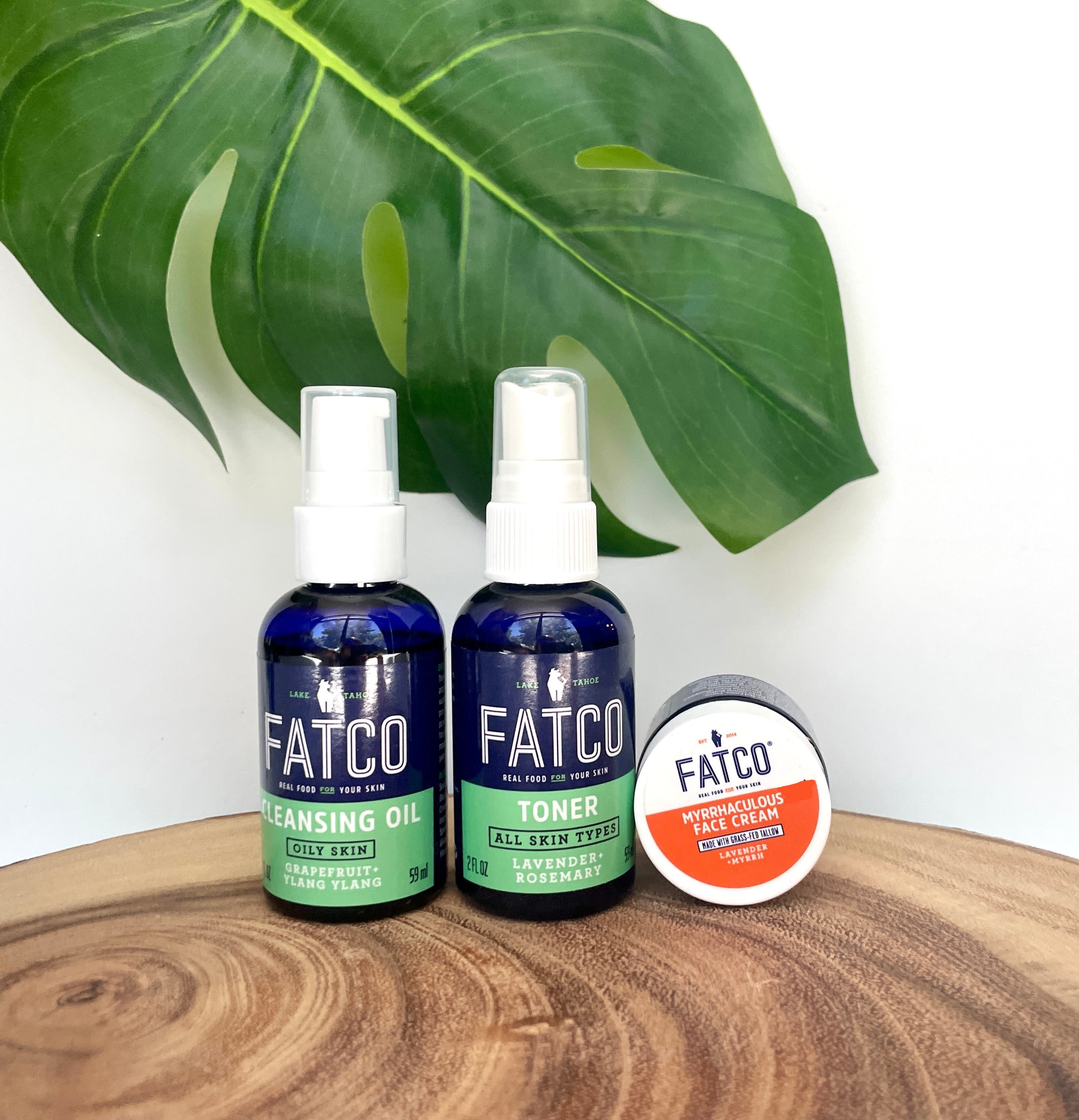
- FATCO's Myrrhaculous Face Cream and Body Butta are tallow-based moisturizers, not medicated eczema creams. Both are scented with essential oils, which matters if fragrance is one of your triggers.
- This is not a substitute for medical care. See a dermatologist for diagnosis, flares, or anything that looks infected, and never stop a prescribed treatment to try a home remedy.
What Eczema Actually Is
Eczema, most commonly atopic dermatitis, is a chronic skin condition, not a type of dryness you can moisturize your way out of. The National Institute of Arthritis and Musculoskeletal and Skin Diseases is direct that researchers do not know what causes it, and says genes, the immune system, and the environment all play a role, alongside changes in the protective layer of the skin that cause it to lose moisture.
That breakdown is why eczema-prone skin looks and feels dry, red, and easily irritated. But the dryness is a symptom, not the whole disease.
NIAMS points to changes in genes that control a specific skin protein: without normal levels of it, the barrier changes, moisture escapes, and the skin's immune system is exposed to the environment. This is why choosing the right moisturizer for sensitive skin can meaningfully ease dryness and support the barrier between flares, with no effect on the immune and genetic drivers. Tallow, like any rich emollient, works only on the first half of that equation.
What the Evidence Actually Shows
Here is where the tallow-for-eczema conversation online gets ahead of the research. Search social media and you will find confident claims that tallow "heals" eczema. The actual evidence is much more modest, and it is worth being precise about what exists and what does not.
Tallow-specific human studies are essentially absent. A 2024 scoping review in Cureus screened 147 studies and found 19 that met its criteria, across comparative, basic-science and animal work. The single human study it describes tested emulsions built from mutton tallow and walnut oil on 78 participants who rated how well they moisturized, which is not an eczema trial in any meaningful sense. The animal evidence is a multi-ingredient mixture called NCM 1921, containing beef tallow among other fats, which lowered IgE, mast cells and B-cell markers in mice with induced dermatitis. That is a plausible early signal, not proof of anything in human eczema. The same review notes that comparison ingredients including pumpkin seed oil and linoleic acid outperformed tallow on hydration.
The plausible mechanism is partial fatty-acid overlap, not a proven effect. Tallow is predominantly oleic, palmitic and stearic acid, in that descending order. A 2025 analysis in the Journal of Cosmetic Dermatology puts the overlap precisely: tallow and human sebum both carry high proportions of palmitic and oleic acid. The overlap stops there. Skin's leading monounsaturated fatty acid is sapienic acid rather than oleic, sebum also carries squalene and wax esters that tallow does not contain at all, and stearic acid is not a sebum fatty acid. So the overlap is real but partial, and the barrier argument built on it is a hypothesis extrapolated from fatty-acid chemistry, not a finding from eczema trials in humans. The same 2025 analysis cuts the other way too: studies in human and reconstructed-skin models show that oleic acid and other free fatty acids can increase water loss through the skin over time, which may make eczema worse rather than better.
The stronger, better-established evidence is about emollients generally, not tallow specifically. A Cochrane systematic review covering 77 trials and 6,603 participants, most of them with mild to moderate eczema, found that moisturizer use resulted in fewer flares and reduced the amount of topical corticosteroid needed. Physicians did rate moisturizers as reducing eczema severity compared with no moisturizer, but the reviewers add that the reduction was too small to be considered meaningful for patients. Certainty of evidence was low to moderate for most outcomes, and the authors conclude plainly that they did not find reliable evidence that one moisturizer is better than another. Tallow was not one of the products studied, so this supporting evidence belongs to emollients as a category, not to tallow specifically.
What Users Report
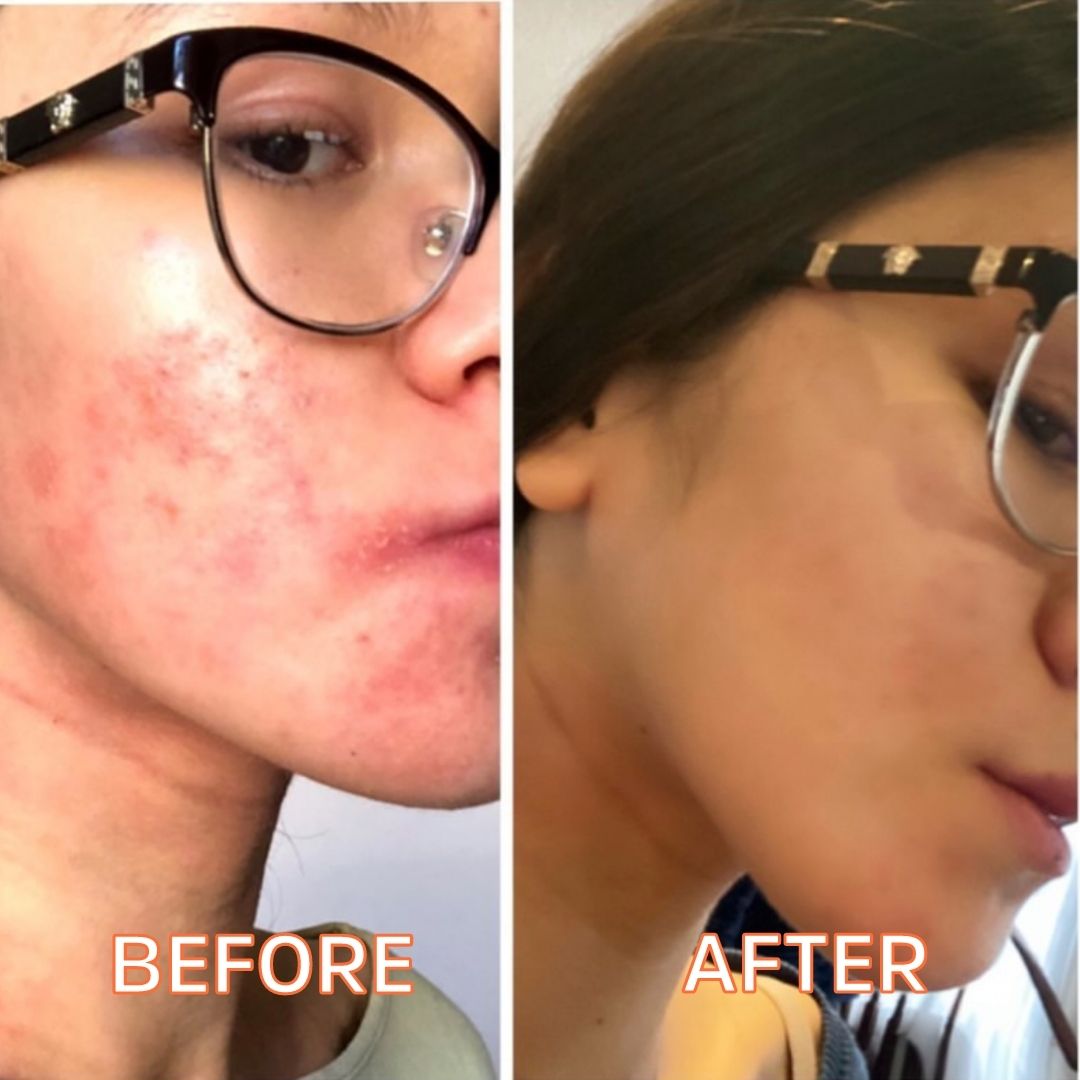
Set the clinical research aside and there is a real, visible pattern of people trying tallow for their eczema and reporting good results, particularly for the dryness and tightness that flare up between episodes. This is anecdotal, not clinical evidence: self-reported, unblinded, and impossible to separate from the normal fluctuation of a condition that already cycles through flares and remissions on its own.
With that caveat in place, a few patterns show up repeatedly. People who describe good results are usually managing dry, barrier-compromised skin between flares rather than active, weeping eczema. They tend to describe tallow filling the same role a rich, fragrance-free moisturizer would: less tightness, softer texture, calmer-looking skin day to day. Others report no improvement, or find any rich, occlusive product feels heavy and uncomfortable regardless of whether it is tallow-based.
Results vary this much because eczema itself is individual: severity, triggers, and barrier status all shape whether a given moisturizer, tallow included, feels helpful. A product that calms one person's eczema-adjacent dryness can do nothing for the next.
Cautions Worth Taking Seriously
A few cautions matter more here than in most skincare content, because eczema-prone skin is more reactive and sometimes broken.
Skip it on open, weeping, or infected-looking eczema. The American Academy of Dermatology tells parents to stop wet wraps, occlusion and soak-and-smear at the first sign of infection, because covering infected eczema can worsen it, and to ask a dermatologist before restarting. The same logic applies to any occlusive product, tallow included. AAD also says any new or increasing fluid draining from the skin should be examined by a doctor rather than managed at home.
Patch-test before applying it anywhere near a flare. Apply a small amount to an unaffected area, like the inner forearm, and wait 24 to 48 hours before using it more broadly. This matters for anyone with reactive skin, and especially for eczema-prone skin, where the barrier is already compromised and more permeable to potential irritants.
Tallow has no published comedogenic rating. You will see a specific number cited online, but tallow appears neither in Fulton's 1984 rabbit-ear screening list nor in the 2025 JAAD Reviews comedogenicity table, so there is no published figure in either direction. Any number you are quoted comes from a consumer database rather than a study. If you are prone to breakouts as well as eczema, apply sparingly and watch how your skin responds.
It can be an allergen, and eczema-prone skin is the population at issue. The 2025 Journal of Cosmetic Dermatology analysis notes that in people with atopic dermatitis or sensitive skin, bovine products may induce sensitizing allergenic reactions. The same paper flags two practical risks worth knowing: beef tallow is not especially shelf-stable and can go rancid, and because cosmetic ingredients need no FDA pre-market approval, quality varies between products. Animal-derived is not automatically safer than synthetic just because it is natural.
It does not touch the immune or trigger side of eczema. Even used correctly, tallow addresses dryness and barrier support. It has no effect on the allergic and inflammatory pathways that actually drive a flare, which is why moisturizing alone rarely resolves eczema on its own.
If your eczema is spreading or not responding to a consistent moisturizing routine, see a dermatologist. The signs of an infected patch that AAD tells people to look for are honey-colored or yellowish-orange crusts, pus-filled blisters, sores that look like cold sores, spreading redness or streaks, and pain. AAD adds that a fever or flu-like symptoms alongside those signs calls for immediate medical care rather than a phone call. And if you are already on a prescribed treatment, keep using it. A moisturizer, tallow-based or otherwise, is something you add alongside medical care, not something that replaces it.
Got Questions?
Tallow and Eczema FAQ
Q Does beef tallow get rid of eczema?
No. Tallow is a moisturizer, not a treatment, and no direct evidence shows it resolves eczema. It may help ease the dryness that comes with eczema-prone skin the way other rich emollients do, but the underlying immune and genetic drivers of eczema aren't affected by any moisturizer, tallow included.
Q Can tallow make eczema worse?
It can, for some people. Applying an occlusive product to open, weeping, or actively inflamed skin can trap moisture and bacteria and worsen things. Tallow can also trigger a reaction in anyone sensitive to animal-derived ingredients. Patch-test first, and avoid it on broken or infected-looking skin.
Q Is beef tallow better than eczema cream?
Not necessarily. A dedicated eczema cream often contains researched actives like ceramides or colloidal oatmeal that tallow doesn't have, and no study has directly compared the two. Tallow may suit people who want a short, food-based ingredient list, but "better" depends on your skin and what a doctor recommends for your case.
Q Is beef tallow good for baby eczema?
Talk to a pediatrician before using tallow, or anything new, on a baby's eczema-prone skin. Infant skin has a thinner, more permeable barrier, and any new topical, including tallow, could plausibly irritate sensitive skin for some infants rather than help it, so professional guidance matters more here than for adults.
Q Is coconut oil or beef tallow better for eczema?
Neither has strong eczema-specific evidence behind it. The 2025 JAAD Reviews comedogenicity table reports coconut oil at 4 to 5 in the rabbit ear assay while calling the human evidence patchy, and tallow has no published rating at all. If you're eczema-prone, patch-test either before regular use, and don't assume "natural" means "safe for your skin."
The FATCO Alternative
If your eczema-prone skin is dealing with the dryness and tightness that flares up between episodes, FATCO's Myrrhaculous Face Cream and Body Butta are tallow-based moisturizers, not a medicated eczema treatment. Both build on grass-fed tallow with plant oils and butters, and both are scented: the face cream with lavender and myrrh essential oils, the Calming Body Butta with lavender and clary sage. If fragrance is one of your triggers, the Baby Butta is the one to look at, since its label is tallow, coconut oil, shea butter, olive oil, avocado oil, jojoba oil and beeswax with no essential oils at all. None of them will replace your dermatologist's care plan, but they're a simple option for the moisturizing step of a barrier-focused routine.