Where to Buy Beef Tallow Online: Sources Worth Trusting
Knowing where to buy beef tallow online is straightforward once you understand what you are actually shopping for. The harder part is figuring out which products are genuinely sourced, properly rendered, and packaged for skin use versus which ones are cooking surplus dressed up with a nice label. If you want to start with raw beef fat and render it yourself at home, our Raw Beef Fat guide walks through that process. This guide focuses on buying online; if you would rather source it in person, butcher shops, farmers markets, and local producers offer fast same-day options.
Key Takeaways
- Cooking-grade and skincare-grade tallow are different products online. Cooking tallow prioritizes heat stability; skincare tallow starts with suet (kidney fat), renders at lower temperatures, and filters finely for a near-odorless, smooth result.
- Three buying channels dominate online. Regenerative farms sell direct (pure, unfinished ingredient material), specialty skincare brands sell finished formulations, and marketplace platforms (Amazon, Walmart) carry both alongside less transparent options.
- Before ordering, check four things on any product page. Fat source (suet listed by name), rendering method (slow or low-temperature), sourcing claim (at minimum grass-fed, ideally grass-finished), and packaging (glass preferred for skincare).
- Red flags are easy to spot. "Beef fat blend" with no specifics, no smell description on a skincare product, and no mention of rendering method are all yellow-to-red flags worth pausing on.
- FATCO skips the sourcing work. Every FATCO product starts with suet from grass-fed cattle, which the brand describes as dry rendered and triple filtered, so the ingredient quality is settled before the product reaches you.
Cooking-Grade vs Skincare-Grade Tallow
Before you start searching, it helps to know that not all rendered tallow is the same product.
Cooking-grade tallow is rendered primarily for flavor and heat stability. It may come from a mix of fat types, including trim fat from muscle cuts. It is perfectly safe for cooking, but it is not necessarily filtered to the standard you want for a face moisturizer. Flavor profile and smoke point are the priority. Purity and a mild scent come second.
Skincare-grade tallow starts with different priorities. The sourcing matters more: suet (kidney fat) is the preferred starting point because it produces cleaner, milder tallow than trim fat. The rendering is slower and at lower temperatures. The filtering is finer. The result is a tallow that is close to odorless, very smooth, and free of the protein fragments and connective tissue bits that might irritate skin.
There is overlap. Good cooking-grade tallow from a well-sourced grass-fed animal can absolutely go on your skin. But when you are shopping online and comparing jars, these two categories inform very different price points, labeling choices, and sourcing claims. Knowing which you need keeps you from overpaying for skincare claims on something destined for your cast iron, or under-buying quality on something going on your face.
Where to Find Beef Tallow Online
Regenerative Farms Direct
Some of the best tallow available online comes directly from small regenerative farms that raise grass-fed, grass-finished cattle and sell rendered fat as part of their product line. These producers usually render their own tallow from suet or kidney fat, do it in small batches, and can trace everything back to specific animals on a specific piece of land.
The trade-off with this category is variety. A farm's tallow is typically unflavored, rendered plain, and packaged in simple glass jars or food-safe plastic pails. It is not a finished skincare product. It is pure ingredient material. For cooking, this is exactly what many people want. For skincare, you would be using it as-is, which is fine, but it comes without the finer filtration and consistent batch-to-batch texture a product formulated for skin is built around.
When shopping from farm-direct sources, look for grass-fed as the baseline, with grass-finished (meaning the animal ate grass through the final months before processing) as a bonus signal of quality. Also look for specific fat source information (suet or kidney fat preferred) and some transparency about where the animals were raised.
Specialty Tallow Skincare Brands
The tallow skincare category has grown alongside the ingredient's move onto grocery shelves. A number of small brands now specialize in rendering, refining, and packaging tallow specifically for topical use. These companies are where you find the clearest skincare-grade positioning: triple-filtered tallow, certifications, minimal ingredient lists, and formulas built around the fat rather than around an emulsifier system. That is the reasoning behind tallow as a skin ingredient in the first place.
The compositional argument for tallow is straightforward: it shares its main fatty acids, oleic, palmitic and stearic, with the skin's own surface lipids. A 2024 scoping review in _Cureus_ looked at the published evidence and concluded that on composition alone tallow looks to be biocompatible with skin, while stating plainly that significant research gaps remain on how it actually behaves once applied. Treat that as a good reason to try it, not as a proven clinical result.
This category tends to price higher than cooking tallow, and for good reason. You are paying for sourcing specificity, more careful processing, and a formulation designed for skin. For someone who wants to use tallow as a face moisturizer, body lotion, or lip treatment, a specialty skincare brand is the most direct path to a finished product that works. If you are not sure whether tallow suits your skin type, that question has a dedicated answer covering oily, dry, and sensitive profiles.
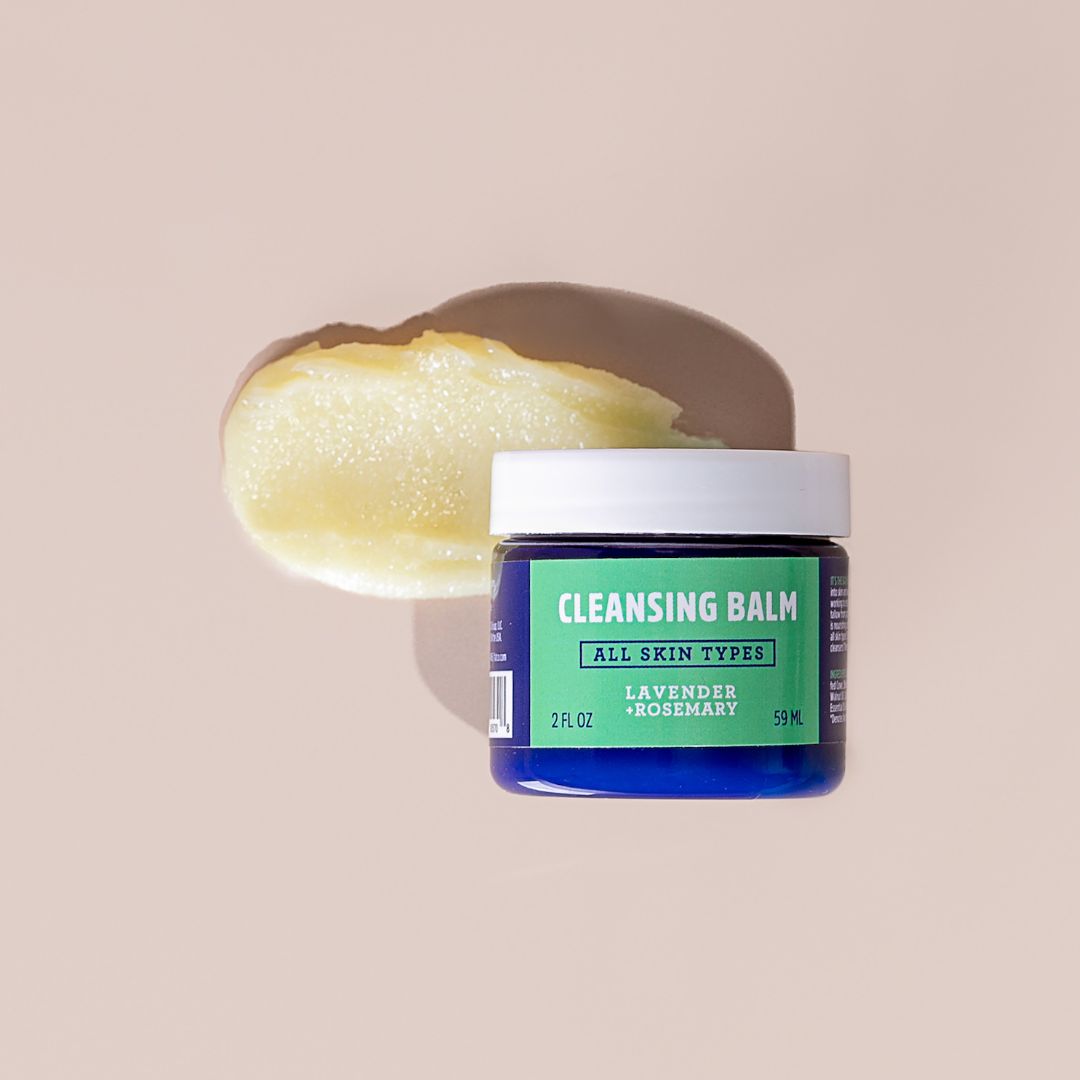
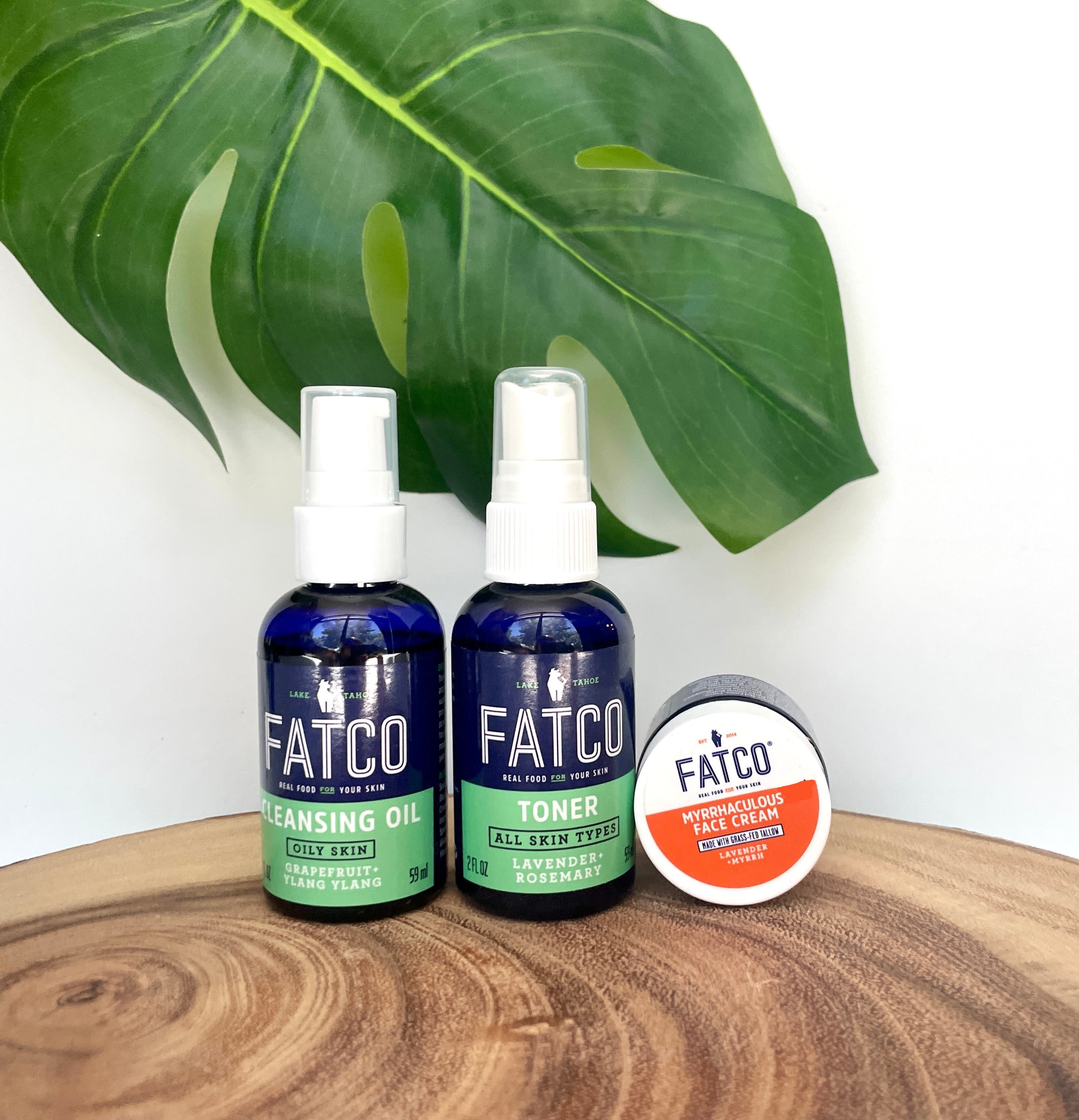
FATCO falls in this category. Every FATCO tallow product is made from suet sourced from grass-fed cattle, dry rendered and triple filtered for a clean, nearly odorless result. The finished products (from the Myrrhaculous Face Cream to Fat Sticks and Baby Butta) go straight from that quality tallow to your skin, without unnecessary additives.
Marketplace Platforms
Amazon, Walmart's online marketplace, and similar platforms carry a mix of both categories. You can find cooking tallow in bulk, specialty skincare tallow from small brands, and everything in between.
The upside is convenience and price competition. The downside is that labels on marketplaces are not always what they seem. Search "grass-fed beef tallow" on Amazon and you will get everything from industrial food-service containers to legitimately small-batch skincare products, often side by side with very similar packaging.
On these platforms, pay close attention to:
- Whether the product page lists the fat source (suet is better than "beef fat blend")
- The rendering method (low-temperature or slow-rendered are positive signals; no information about rendering is a yellow flag)
- Third-party reviews that describe texture and smell (good tallow should be nearly odorless and creamy off-white; reviewers who complain about strong beef smell or grainy texture are telling you something useful)
- The brand's own website: if a brand selling on Amazon has no independent web presence or contact information, that is worth noting
What to Look For on Any Product Page
Whether you are buying from a farm direct, a specialty brand, or a marketplace, these are the signals worth scanning before you add to cart.
Sourcing transparency
The best online tallow sellers are specific about where their cattle came from. "Grass-fed" is the standard baseline claim; "grass-finished" is a more precise signal that the animal ate only grass through the final months before processing, not just during early life. The difference is measurable: a Nutrition Journal review of three decades of research on grass-fed and grain-fed beef found grass finishing raised conjugated linoleic acid, omega-3 fatty acids and alpha-tocopherol (vitamin E, roughly threefold), along with beta-carotene, which is why fat from grass-finished cattle can look yellowish. Note what the same review did not find: total saturated fat was not different between the two feeding systems, so grass-fed tallow is not a "more saturated" fat.
"Regenerative" and "pasture-raised" are positive signals but not regulated terms, so pair them with specifics about location or farm name when possible.
Fat source
Suet or kidney fat is the cleanest starting point for skincare tallow. Trim fat is more variable. A product page that specifies suet as the fat source is communicating something meaningful about quality. One that only says "beef fat" is keeping things deliberately vague.
Rendering method
Slow-rendered and low-temperature are positive signals. They indicate the producer cared about fat quality rather than throughput. Triple-filtered or fine-filtered is another good sign for skincare applications, where you want no protein particles or connective tissue fragments in the final product.
Certifications and testing
Some brands carry USDA Organic certification for their tallow source. Under the organic livestock rules, feed must be organically produced, animals treated with antibiotics cannot be sold as organic, and ruminants must be grazed on pasture through the grazing season. Read the small print before treating it as a grass-finished claim, though: the same rules allow organic slaughter stock to be finished on a feedlot ration for up to a fifth of the animal's life or 120 days, whichever is shorter. Organic and grass-finished are not the same certification, and a brand can hold the first without meeting the second.
A note here: there is no official USDA grading system for finished tallow. USDA grades (Prime, Choice, Select) apply to beef carcasses and are assigned on marbling and maturity, not to rendered fat in jars. Brands that market "USDA Prime Tallow" are describing the source beef, not a formal tallow grade. That is fine, but do not let impressive-sounding grade language substitute for specific sourcing and processing information.
Packaging
For skincare tallow, glass jars are the preferred format. Glass is non-reactive, easy to sterilize, and does not leach into fat-soluble products over time. BPA-free plastic is acceptable for larger cooking quantities. Be skeptical of tallow sold in non-food-grade containers or packaging with no ingredient information.
Red Flags to Avoid
A few things worth flagging before you order:
"Blend" language with no specifics. "Beef fat blend" or "premium beef fat" with no further detail usually means trim fat from mixed sources. For skincare, pass.
Very low prices for claimed skincare-grade product. Genuine suet-based, grass-finished, triple-filtered tallow takes time and higher-quality inputs, and finished skincare is priced in a different league from cooking fat. Checked live on 31 July 2026, grass-fed cooking tallow ran about $1.25 to $1.50 an ounce across brands like EPIC and Fatworks, while finished tallow face creams from specialty skincare brands run north of $20 an ounce. A jar sold as skincare but priced like cooking fat is telling you which one it actually is. Prices move, so treat those as a July 2026 snapshot and check the seller.
No smell information. Good tallow has a very mild scent, close to neutral. Sellers who do not mention scent at all on a skincare product page may be avoiding the question. Check reviews.
No information about rendering. A brand that takes sourcing and processing seriously will mention it. One that says only "pure beef tallow" with nothing else to say about how it got there is a yellow flag, not necessarily a disqualifier, but worth investigating further.
Got Questions?
Buying Tallow Online FAQ
Q Is it safe to buy beef tallow online?
Yes, provided the seller is transparent about sourcing and packaging. Pre-rendered tallow is a stable fat that ships well, so transit safety isn't the real concern. The actual risk is buying cooking surplus mislabeled as skincare-grade. Favor sellers who name the fat source, describe rendering, and use food-safe or cosmetic-grade packaging.
Q How do I find the best beef tallow for skin online?
Check four things on the product page: the fat source named directly (suet beats vague "beef fat"), a described rendering method, at least a grass-fed claim, and honest texture or scent detail. Specialty skincare brands that triple-filter and disclose sourcing tend to outperform cooking-tallow brands repackaged for skin use.
Q What should an online tallow listing tell you before you buy?
A trustworthy listing names the fat source directly (suet or kidney fat, not vague "beef fat"), describes the rendering method, and states the feeding standard, ideally grass-finished. It should also give honest detail on texture and scent rather than staying silent. A listing that skips these is skipping the transparency it owes you.
Q What is the difference between cooking tallow and skincare tallow when buying online?
Cooking tallow is optimized for heat stability and flavor, sometimes from trim fat, and performs fine in cast iron. Skincare tallow starts with suet, renders slower, filters finer, and targets a near-odorless, smooth result. Price separates them plainly: cooking jars ran about $1.25 to $1.50 an ounce in July 2026, finished skincare well over $20.
Q Can I use tallow bought online directly on my face?
It depends on the product. Farm-direct tallow sold for cooking can go on skin, but it lacks the filtration and quality controls of a purpose-built skincare formula. Specialty skincare brands formulate specifically for topical use instead. For a ready-to-apply product without testing the ingredient yourself, a skincare-grade brand is the more direct route.
Q Where does FATCO fit in the online tallow landscape?
FATCO is a specialty skincare brand built on suet from grass-fed cattle, handling the full rendering and filtering process before it reaches you. That means a finished, skincare-ready tallow with no DIY steps required. For anyone who wants tallow's benefits without sourcing and rendering it themselves, FATCO's lineup is the direct answer.
The FATCO Alternative
FATCO was built to solve exactly the problem this sourcing search creates. Most people who discover tallow skincare want the benefits without the project of sourcing raw fat, rendering it properly, and storing it. FATCO's products start with suet from grass-fed cattle and go through the full rendering and filtering process before they become balms, body lotions, and lip products.
For anyone exploring tallow for their lips specifically, our Tallow Lip Balm guide covers why the fatty acid profile of tallow makes it work differently than beeswax-based products on cracked or dry lips.
The sourcing is transparent, the rendering is done, and the products are ready to use. For cooking tallow, a farm-direct source will often be the best route. For skincare tallow, FATCO skips the middleman steps.