Does Tallow Clog Pores? Here's What the Science Actually Says
The short answer:
- Tallow has never been formally rated for comedogenicity. If you see a specific number quoted for it, that number is not from a published scale
- It is generally considered low risk, because its main fatty acids are among those the skin already produces
- The comedogenic scale itself is less reliable than it looks — the FDA has no legal definition for "non-comedogenic," and the original testing was done on rabbit ears
The question makes sense. You hear "animal fat" and your brain goes to grease. But the honest answer is more interesting than a number, and most of the articles you will find on this topic — including, until recently, one of ours — quote a rating that does not exist.
What Does Comedogenic Actually Mean?
A comedogen is an ingredient that blocks follicles. The comedogenic scale runs 0 to 5, with 0 to 2 generally treated as safe for congestion-prone skin and 4 to 5 flagged as risky.
Here is the part that rarely gets mentioned. A 2025 comedogenicity review in JAAD Reviews notes that the FDA has no legal definition for the term, so any brand can print "non-comedogenic" on a label without meeting a standard. The same review notes that the ratings in circulation originate from the rabbit ear assay, and that later studies found inconsistent results when the same substances were applied to human skin.
So the scale is a rough guide, not a verdict. It is worth checking. It is not worth treating as fact.
Where Tallow Falls
Nowhere, formally. Tallow has not been put through a published comedogenicity assay. Any article assigning it a 1, a 2 or a 3 is repeating a number somebody made up, and those numbers circulate widely enough that they start to look official.
What can be said honestly is that tallow's main fatty acids — oleic, palmitic and stearic — are among the lipids found in the skin's own barrier. A 2024 scoping review in Cureus found tallow biocompatible with human skin on that basis. That is a reason to expect it to be reasonably well tolerated. It is not proof that it will not congest your particular skin.
For context, here are ratings that do come from published scales — with the caveat above firmly attached:
| Ingredient | Published Rating | Commonly Found In |
|---|---|---|
| Beef Tallow | No published rating | Tallow skincare |
| Argan Oil | 0 | Serums, luxury creams |
| Jojoba Oil | 2 | Natural skincare |
| Shea Butter | 0–2 | Body butters, creams |
| Coconut Oil | 4 | Natural skincare, DIY |
| Isopropyl Myristate | 5 | Many conventional lotions |
| Wheat Germ Oil | 5 | Natural skincare |
Worth noticing: the "lightweight, pore-minimizing" moisturizer on your shelf may well contain isopropyl myristate, which rates a 5. Plenty of ingredients marketed as gentle score worse than the ones that sound alarming.
Why Tallow Tends to Be Well Tolerated
Your skin produces sebum, which is largely oleic, palmitic, stearic and linoleic acid. Grass-fed tallow contains those same fatty acids. That overlap is the substance of the biocompatibility argument, and it is documented.
What has not been demonstrated is the stronger version of the claim you will see elsewhere — that tallow "absorbs rather than sitting on top" or that skin "recognizes" it. Those are plausible-sounding extrapolations, not findings. Tallow is a rich occlusive fat. On most skin that is comfortable; on some skin it is too much.
What About Oily or Acne-Prone Skin?
This is where the honest answer matters most, because the absence of a rating cuts both ways.
Patch test. Apply to a small area — the jawline works well — for about a week before committing to full-face use. This is the only real test, and it is more informative than any number.
The rest of the formula matters. Tallow paired with high-comedogenic ingredients can still cause problems. Read the full ingredient list, not just the headline ingredient. Our pore-clogging ingredients checker covers how to do that.
Sourcing changes the fat. Grass-fed tallow carries more conjugated linoleic acid and a better omega ratio than grain-fed. See not all beef tallow is created equal.
Purging vs. breaking out — know the difference
Some people see new congestion in the first few weeks of switching skincare. That can be skin clearing what was already forming rather than the product causing it. Product-caused breakouts tend to appear in new areas and keep building rather than settling. If congestion is still increasing after a month, the formula is not right for you.
The Short Version
Nobody has formally rated tallow for comedogenicity, so treat any specific number you see as marketing rather than data — including numbers used in tallow's favor. What is documented is that tallow shares its main fatty acids with the skin's own barrier, which is a fair reason to expect it to be well tolerated on dry and reactive skin.
If your current moisturizer is breaking you out, check the label for coconut oil, isopropyl myristate or wheat germ oil first. Those have published ratings, and they are high.
Want to try it and judge for yourself?
Start Small. Patch Test First.
The smallest size is the sensible way in — a week on the jawline tells you more than any rating.

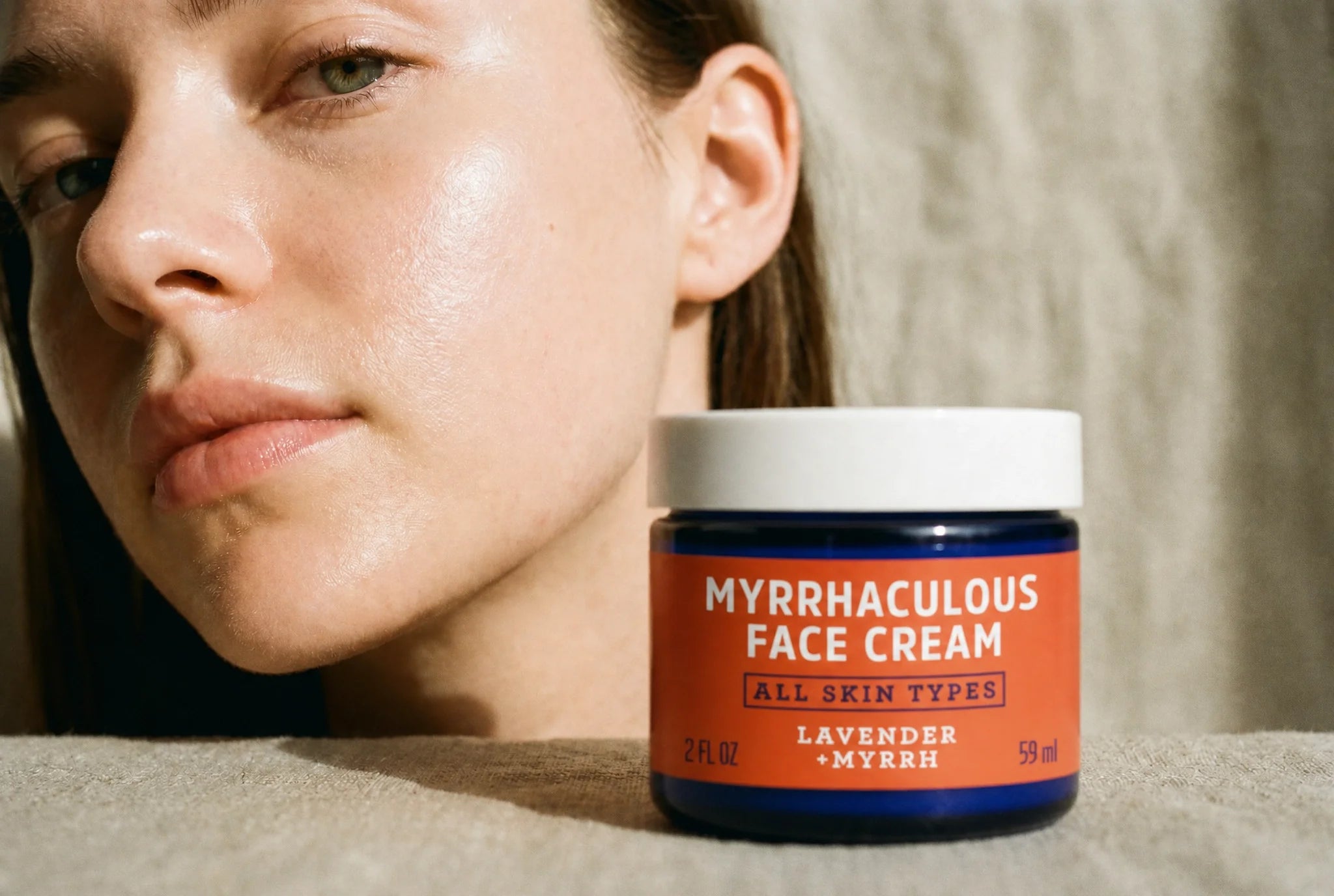
Myrrhaculous Face Cream
1 Oz — contains tallow
The tallow face cream, in the smallest size. Best for dry and barrier-stressed skin.
$28.00
Shop Now
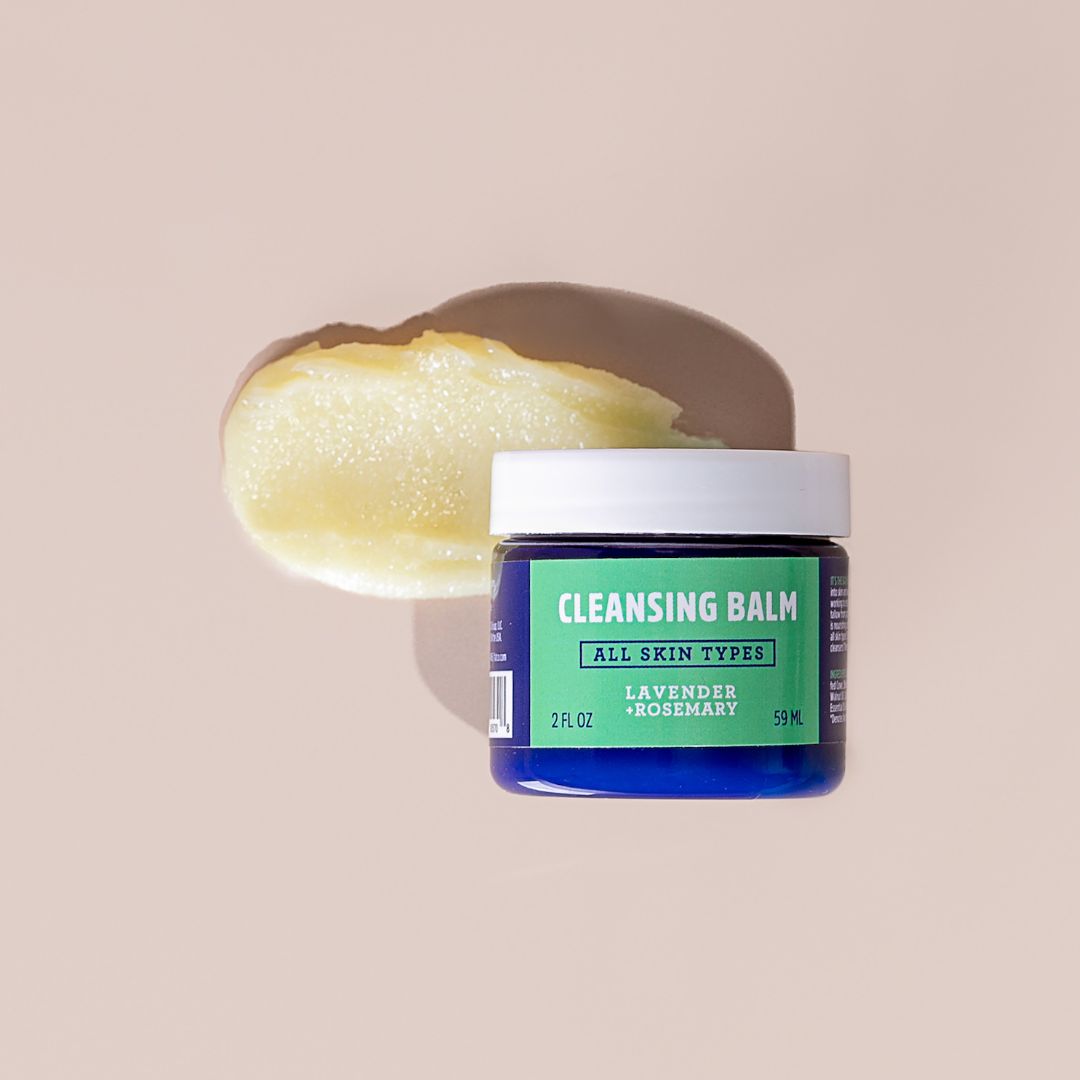
Cleansing Balm
2 Oz — contains tallow
The lowest-cost way to try tallow on your face. Rinses off, so less commitment.
$16.00
Shop Now
Myrrhaculous Face Oil
0.5 Oz — no tallow
If a rich fat sounds like too much, this is the botanical option. Lighter finish.
$46.00
Shop NowMore detail in the complete guide to beef tallow for skin.
Frequently Asked Questions
Does beef tallow clog pores?
Tallow has never been formally rated for comedogenicity, so there is no published number either way. It is generally considered low risk because its main fatty acids are among those the skin produces naturally, but individual response varies. Patch test before full-face use.
What is the comedogenic rating of tallow?
There isn't one. Tallow has not been put through a published comedogenicity assay. Ratings quoted for it online — commonly 1, 2 or 3 — do not trace to any published scale.
Is the comedogenic scale reliable?
Only loosely. The FDA has no legal definition for "non-comedogenic," so the label is unregulated. The ratings in circulation come from the rabbit ear assay, and later studies found inconsistent results applying the same substances to human skin. Use it as a first filter, not a verdict.
Can I use tallow on my face if I have oily skin?
Many people with oily skin use it without trouble, and some find it too rich. Tallow is a heavy fat, and oily skin is the group most likely to find it uncomfortable. Patch test on the jawline for a week before committing.
Is tallow or coconut oil better for acne-prone skin?
Coconut oil has a published rating of 4 and is a well-documented trigger for congestion. Tallow has no published rating, so a direct comparison is not possible — but coconut oil's risk is established in a way tallow's is not.
Does grass-fed tallow matter for skincare?
It changes the fat measurably. Grass-fed tallow carries more conjugated linoleic acid and a better omega-3 to omega-6 ratio than grain-fed, and less polyunsaturated fat, which is the fraction that oxidizes first.