Hydrating Toners for Dry Skin
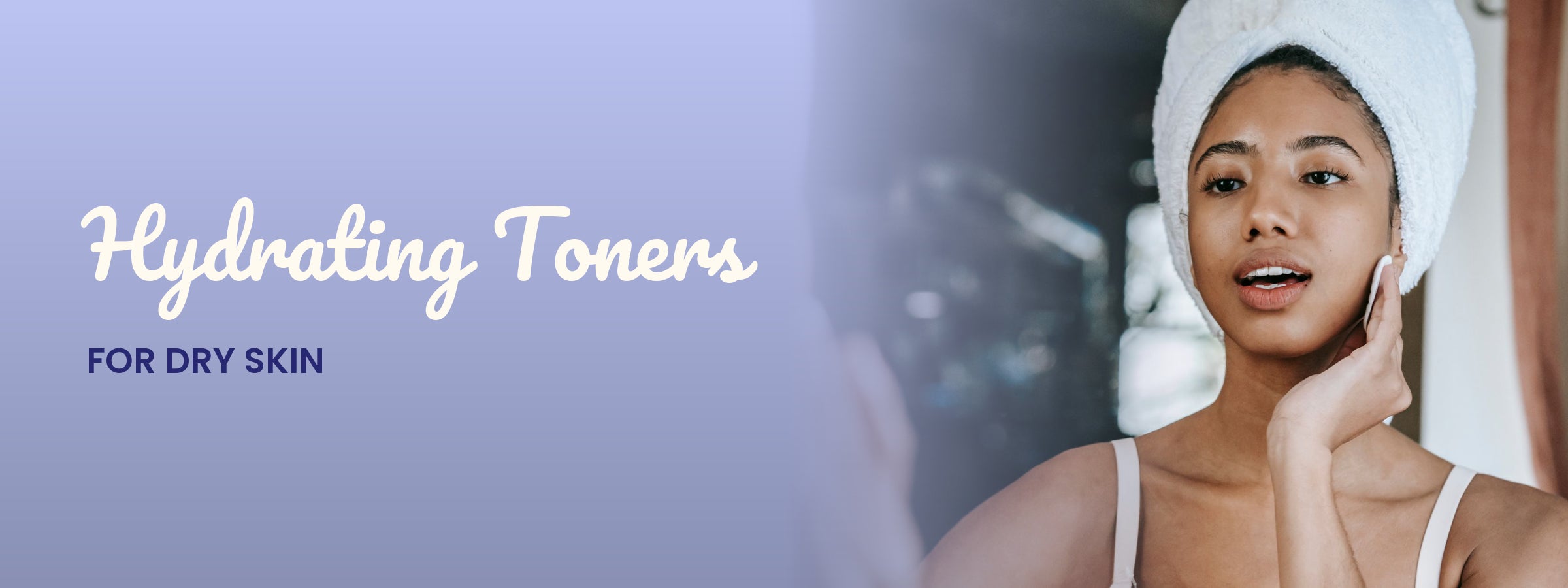
A hydrating toner is a watery step for after you wash your face, built around humectants such as glycerin and hyaluronic acid, which draw water into the skin's top layer. Aloe seems to work the same way. That makes it the useful kind of toner for dry skin: it adds water and leaves the sealing to the cream that follows. Which hydrating toner suits you depends on the rest of the bottle, because witch hazel, essential oils and fragrance are the usual extras.
Key Takeaways
- Humectants are what make a toner hydrating. Glycerin and hyaluronic acid pull water into the skin's surface layer, and aloe appears to do the same. Look for one of them near the top of the ingredient list.
- A cream goes on after it. A hydrating toner adds water, and slowing its loss is a cream's job, so on dry skin it comes before a moisturizer, never in place of one.
- The extras decide the pick. If your dry skin also reacts easily, choose a toner without fragrance or witch hazel.
- FATCO's Toner pairs glycerine and aloe with witch hazel and cider vinegar. It suits dry skin that gets on with lavender and rosemary oils; anyone who has reacted to rose, witch hazel, vinegar or those oils should check the label before buying.
What a Hydrating Toner Does
Toners come in hydrating, exfoliating and astringent types, and the ingredient list shows which kind is in the bottle. A hydrating toner leans on humectants. These are water-loving ingredients that attract and hold water in the stratum corneum, the skin's outermost layer, much like the natural hydrating factors found in its cells. Glycerin is one of them.
The Evidence Behind Three Humectants
Glycerin has been used in skin preparations for many years. A review published in 2008 lists better hydration of that outer layer and better barrier function among its effects, and notes that glycerin-containing products improve skin properties in conditions marked by dryness and a weakened barrier.
Hyaluronic acid is the other big name. Inside the skin it is the key molecule for moisture, with an unusual capacity to bind and hold water.
Aloe has a smaller body of evidence. In a study published in 2006, 20 women applied moisturizing formulas containing freeze-dried aloe extract to their forearms. After 2 weeks of daily use, all three strengths had raised the water content of the skin's surface layer compared with the same formula without aloe, and the authors suggest it works as a humectant. Water loss through the skin did not change. That was a moisturizer on forearms, not a toner on faces, but it shows what aloe brings to a formula.
Where the Cream Comes In
What a humectant does not do is stop that water from evaporating. That job belongs to occlusive ingredients: an oil layer on the skin slows the water that escapes from it. This is why a toner, however hydrating, is followed by a moisturizer.
Does Dry Skin Need a Toner?
A toner is not essential for healthy skin, so you can leave it out if you would rather not use one. Where a hydrating toner earns its place is on skin that feels tight after washing and likes an extra watery layer before the cream.
The kind matters more than the habit. For dry skin, the usual advice is a toner with humectants such as glycerin or hyaluronic acid and nothing harsh, like alcohol, that could dry skin further. Healthline's toner guide is stricter for anyone wary of irritation: water-based, and free of alcohol, fragrance and witch hazel.
Witch hazel is an astringent, and dry or reactive skin has the most reason to leave a witch hazel toner out. It is not a guaranteed irritant, though, and the picks below are split along that line.
Hydrating Toners for Dry Skin, Matched to What Your Skin Tolerates
FATCO Toner: For Dry Skin at Ease With Witch Hazel and Essential Oils
The Toner is made with distilled water, rose water, witch hazel, raw apple cider vinegar, vegetable glycerine, aloe vera gel, lavender essential oil and rosemary essential oil. Its hydrating side comes from the glycerine and aloe. Witch hazel and the vinegar give it a toning side, and lavender and rosemary give it its scent. There's no tallow in it, and the Toner contains no alcohol. Its label says all skin types.
Who it suits: dry skin that enjoys a scented step and has never minded witch hazel or essential oils. Because it carries witch hazel and two essential oils, it sits outside the stricter advice above, so skin that reacts to fragrance has scent-free options that fit better. Rose, witch hazel, cider vinegar, lavender and rosemary are all in the bottle. If one of them has given you a rash or stinging before, this toner is not the one for you.
To use it, shake the bottle, then after cleansing spray 6 to 8 pumps onto a cotton ball and swipe it over your face.
Sizes: 2 FL OZ (59 ml) and 4 FL OZ (118 ml).
CeraVe Hydrating Toner: For Dry, Sensitive Skin That Avoids Fragrance
CeraVe lists water, propanediol and glycerin first, followed later by three ceramides, niacinamide, sodium hyaluronate and cholesterol. The brand names hyaluronic acid among its key ingredients. The brand describes the formula as "alcohol-free, oil-free, astringent-free, and fragrance-free" and labels it for normal to dry skin, including sensitive skin. CeraVe says its ceramides help restore the skin's natural barrier.
Who it suits: dry skin that reacts to scent or prefers no plant extracts at all. CeraVe's directions call for a saturated cotton pad. The preservatives phenoxyethanol and chlorphenesin are on its list, so anyone who has reacted to either should read the full list first.
Size: 6.8 FL OZ (200 ml).
Thayers Unscented Facial Toner: For Dry Skin That Skips Added Scent
Thayers lists water, glycerin, witch hazel extract and aloe leaf extract, then potassium hydroxide, caprylyl glycol, citric acid, ethylhexylglycerin, polysorbate 20 and phenoxyethanol. The brand calls it fragrance-free and "free from drying alcohols".
Who it suits: dry skin that likes the fresh feel of witch hazel but wants no added scent. Its list puts glycerin second, right after water. Witch hazel is on that list too, so if it has made your skin react before, this one carries the same ingredient. Phenoxyethanol is on this list as well as CeraVe's, so check it if that preservative has bothered you.
Sizes: 12 FL OZ (355 ml), 8.5 FL OZ (251 ml) and 3 oz.
Comparing the Three Hydrating Toners
| Toner | Hydrating ingredients on the label | Witch hazel | Scent | Suits |
|---|---|---|---|---|
| FATCO Toner | Vegetable glycerine, aloe vera gel | Yes, third | Lavender and rosemary essential oils | Dry skin at ease with witch hazel and essential oils |
| CeraVe Hydrating Toner | Glycerin; hyaluronic acid, by the brand's key ingredients | No | Fragrance-free, by the brand's description | Dry or sensitive skin that avoids fragrance |
| Thayers Unscented Facial Toner | Glycerin, aloe leaf extract | Yes, third | Fragrance-free, by the brand's description | Dry skin that wants witch hazel without scent |
Using a Hydrating Toner on Dry Skin
Put it on after cleansing, while your face is still damp. A cotton pad or clean hands both work, and applying toner by hand spares dry skin the rubbing.
Once or twice a day is fine, depending on how your skin takes it. If it turns dry or irritated, go back to once a day, and if that doesn't settle it, you may need a different product.
Moisturizer comes next: FATCO pairs its Toner with one of its tallow face creams, Myrrhaculous or Unmyrrhaculous. Both open with tallow from grass-fed cows, coconut oil and shea butter, followed by beeswax and a long run of oils, argan among them. Lavender oil is on both, and Myrrhaculous adds myrrh oil, so anyone with a known allergy should check those panels as well.
Got Questions?
Frequently Asked Questions
Q What does a hydrating toner do?
It puts water-binding ingredients on your skin right after washing. Humectants such as glycerin and hyaluronic acid draw water into the skin's outer layer, which can help dry skin feel less tight. It does not lock that water in, so a moisturizer still goes on afterward.
Q Are toners good for dry skin?
Hydrating ones can be. A toner built on glycerin or hyaluronic acid adds water, while one with alcohol can dry skin out further. The step is optional either way, since healthy skin does not need a toner at all.
Q Which type of toner is best for dry skin?
A water-based hydrating toner with a hydrating ingredient such as glycerin, hyaluronic acid or aloe near the top of the list, and no alcohol. If your dry skin is also easily irritated, pick one without fragrance or witch hazel as well.
Q How often should you use a hydrating toner?
Up to twice a day, each time right after cleansing and with a moisturizer on top, since the cream is what slows that water from evaporating. If your face starts to feel dry or irritated, cut back to once a day, and if that does not settle it, switch toners.
Q What is the best moisturizing toner for my skincare routine?
The one whose extras your skin is happy with. Fragrance-reactive skin does well with a fragrance-free formula. If you like a scented plant blend, FATCO's Toner pairs glycerine and aloe with witch hazel, lavender and rosemary; scan its panel if any of those has bothered you.
The FATCO Alternative
For dry skin, the part of FATCO's Toner that does the hydrating is its glycerine and aloe. Use it after cleansing and follow with Myrrhaculous or Unmyrrhaculous, the tallow face creams FATCO suggests after it. Witch hazel, rose, lavender and rosemary share the bottle, and the creams carry lavender too, so match the panels against your own trigger list before you buy.