Is Your Moisturizer Clogging Your Pores?

Yes, a moisturizer can clog your pores, but most moisturizers don't. Whether yours does comes down to the formula and how you use it, not to how thick or rich the cream feels going on.
That difference matters, because each cause has its own fix. A formula that doesn't suit your skin needs swapping. Too much product layered onto skin that was never properly cleansed needs a routine change, and no new cream will solve that one for you.
Key Takeaways
- Rich is not the same as pore-clogging. A thick cream can feel occlusive and still leave pores clear, while a light lotion can break you out.
- Congestion builds slowly. Clogged pores appear over weeks. Stinging or redness within a day or two is irritation, not a clog.
- The whole formula matters more than one flagged ingredient. Concentration and what an ingredient is blended with change the outcome completely.
- Application is half the story. How much you use, what you layer, and how clean your skin is all affect what ends up in your pores.
- Tallow sits in its own category. Its fatty acid profile is close to the lipids your skin already makes. That is why FATCO builds its face creams on grass-fed tallow rather than filler oils.
What a Clogged Pore Actually Is
A pore is a hair follicle with an oil gland attached, and it clogs from the inside before you ever see anything. The NIH StatPearls acne chapter describes the starting point as a microcomedone, a small plug of dead skin cells and sebum sitting inside the follicle. As more keratin and oil collect, that plug becomes a closed comedone, the small flesh-colored bump most people call congestion.
If the follicle opening stretches wide enough, the plug meets air and darkens into a blackhead. The color comes from oxidized lipids and melanin, not from trapped dirt, which is why scrubbing harder never clears them.
Skincare enters this picture in two ways. A product can add material to the plug, or it can push the follicle lining to shed cells faster than they clear. Simply sitting on the surface, by itself, is not enough to cause a clog.
Occlusive Is Not the Same as Comedogenic
Occlusive means a product slows water from evaporating out of your skin. Comedogenic means it contributes to plugs inside the follicle. Those are two different jobs, and a moisturizer can do the first without doing the second. Dermatology reviews describe occlusive ingredients as ones that form a hydrophobic layer and cut water loss from the surface, which is exactly why rich creams feel the way they do.
This is where the "does a heavy moisturizer clog pores" worry usually goes off track. Weight is texture. Pore-clogging is chemistry and dose.
The ingredient blacklists that circulate online mostly trace back to an old rabbit-ear test that rated raw materials at full strength. A 2006 study in the Journal of the American Academy of Dermatology tested finished formulas on human skin instead. It found that products made with so-called comedogenic ingredients were not necessarily comedogenic themselves. If you like reading labels, the pore-clogging ingredients checker sorts the flags worth acting on from the noise.
How to Tell If Your Moisturizer Is the Problem
Start with timing. Product-driven congestion builds over roughly two to six weeks of steady use, so the cream you started yesterday is rarely responsible for the bumps you woke up with today.
Then separate the three things that get confused constantly: real congestion, an irritation reaction, and plain surface shine.
| Signal | Clogged pores | Irritation or reaction | Surface shine |
|---|---|---|---|
| Timing | Builds over 2 to 6 weeks of steady use | Hours to 3 days after a new product | Right after applying, worse by midday |
| What you see | Small flesh-colored bumps, blackheads, gritty texture | Redness, stinging, itching, flaky patches | Even glow or greasiness, no bumps |
| Where | Where you apply the most product, plus the T-zone | Anywhere the product touched, often the whole area | All over, heaviest on forehead and nose |
| After cleansing | Bumps are still there | Redness settles once you stop the product | Skin feels smooth and looks matte |

The shine question deserves a direct answer, because it is the one people ask most. Shine is oil and product sitting on top of the skin, so it wipes away, shifts with heat and humidity, and leaves the surface smooth. Clogged pores are physical. You can feel them under your fingertips, they survive cleansing, and they return in the same few spots week after week.
Does Body Lotion Clog Pores?
Body lotion can clog pores, and the back, chest, and shoulders are where it usually shows. Those areas carry plenty of active oil glands, and body formulas tend to be richer and applied far more generously than facial ones.
Two habits make it worse. Smoothing lotion over skin that still holds sweat or sunscreen, then pulling tight clothing over the top, keeps that mixture pressed against the follicle. Hair products belong on the suspect list too. Conditioner and styling cream running down the hairline and jaw are a well-documented cause of small closed bumps in exactly those spots.
What to Look For in a Moisturizer That Won't Clog Your Pores
Start with the label language dermatologists actually endorse. The American Academy of Dermatology tells acne-prone patients to choose a moisturizer marked oil-free, non-comedogenic, or "won't clog pores". It also says to keep moisturizing while you treat breakouts, since dry skin drives oil production higher.
Beyond the label, a few things predict how a cream will behave on congested skin:
- Fats that overlap with your own lipids. Lipids close to your own sebum tend to absorb instead of piling up on the surface.
- No heavy filler waxes near the top of the list. Position matters, because the first few ingredients make up most of the jar.
- Scent you can account for. Synthetic fragrance is a common irritation trigger, and essential oils can bother reactive skin too. Either way you want to know what is in there.
- A formula built for your skin, not for everyone. Very rich creams suit dry or barrier-damaged skin. Oily and combination skin usually needs less.
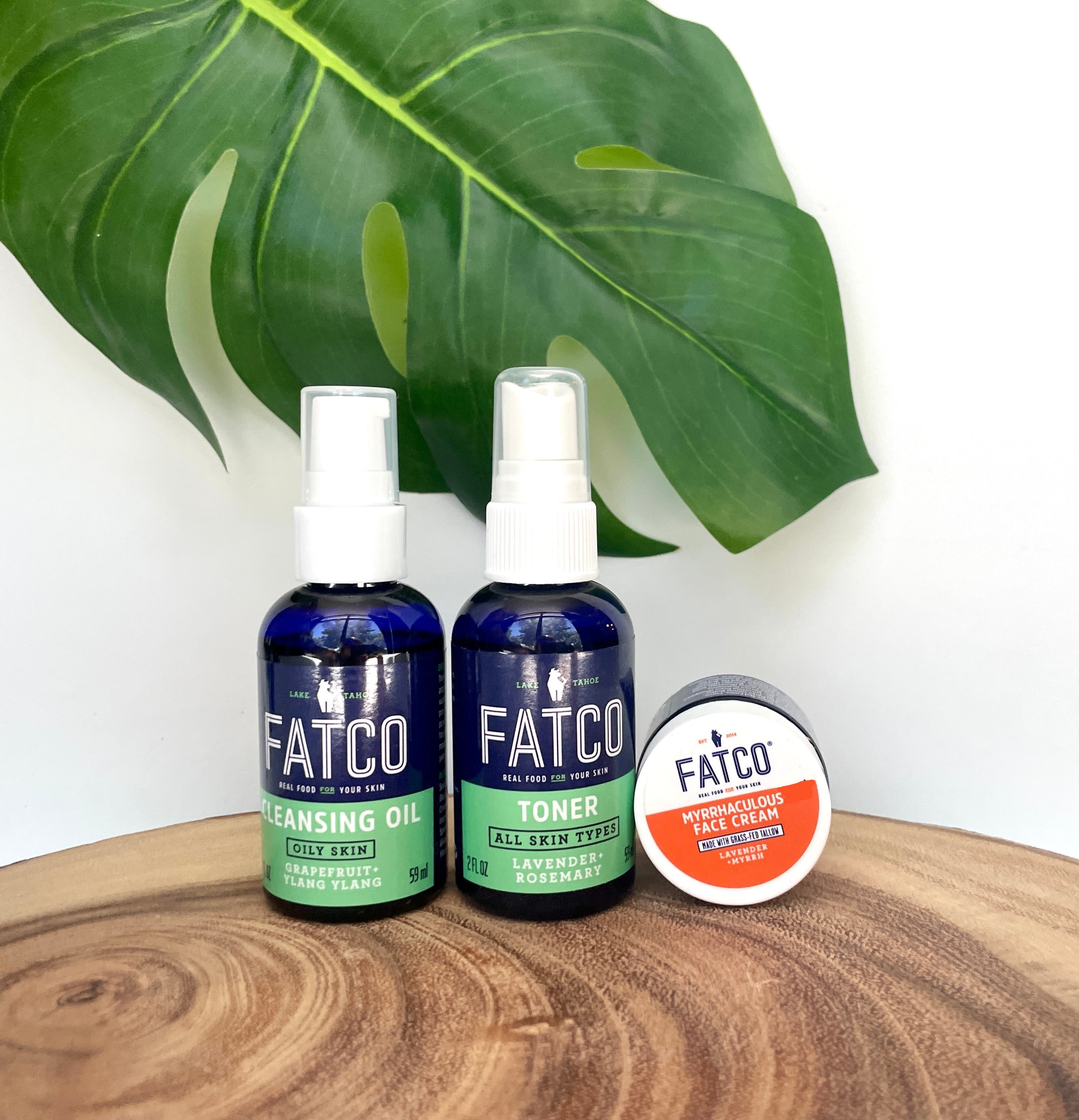
Tallow is worth understanding here. It was never included in the primary comedogenicity studies, so it carries no formal rating, and in practice it is generally treated as low-risk rather than pore-clogging. Either way, whether tallow clogs pores comes down to the same formula-and-dose logic as any other fat. FATCO's Unmyrrhaculous Face Cream is built on grass-fed tallow with jojoba, rosehip seed, and argan oils, and it leaves out myrrh, the essential oil traditionally avoided during pregnancy, so the formula stays pregnancy-safe. If breakouts are your main concern, our guide to the Best Moisturizers for Acne-Prone Skin compares the options in more detail.
How to Moisturize Your Face Without Clogging Pores
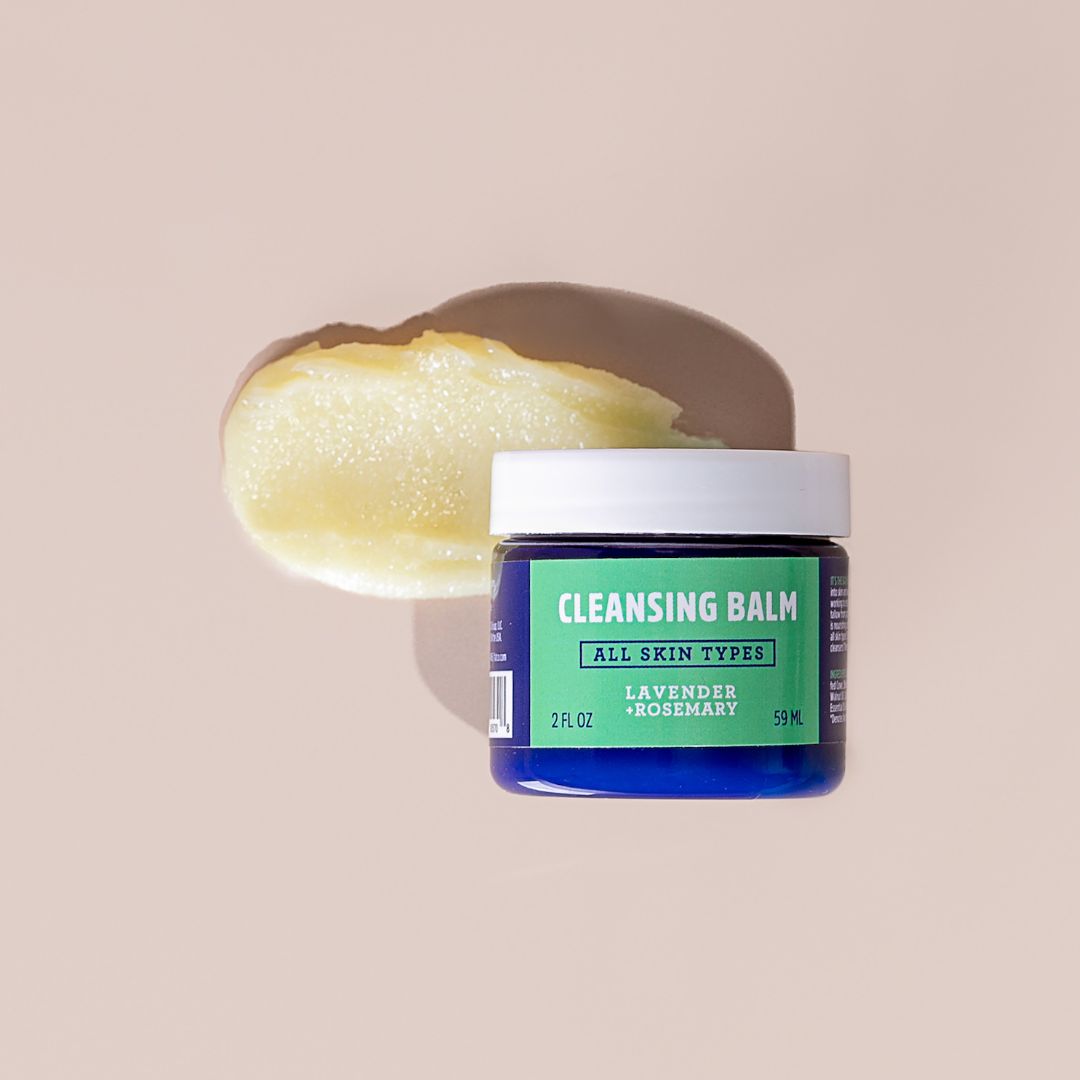
- Cleanse properly first. Moisturizer applied over the day's sunscreen, sweat, and oil hands the follicle more material to work with. FATCO's Cleansing Oil for Oily Skin uses the oil cleansing method, where castor, grapeseed, jojoba, and tamanu oils dissolve the oil already on your face. FATCO suggests oil cleansing once a day and giving skin around two weeks to adjust.
- Apply to slightly damp skin. Damp skin spreads product further, so you need less of it. An alcohol-free toner with witch hazel and aloe is one easy way to leave the surface damp after cleansing.
- Use a pea-sized amount. Press it in rather than rubbing on layers. One pea-sized application a day makes a 1 oz jar of Unmyrrhaculous last roughly four to six weeks.
- Stop stacking products. Serum, oil, cream, and SPF all at once is a lot of material on one face. Cut back to what your skin genuinely needs, then add things in slowly.
- Change one thing at a time. Give a new product four weeks before judging it. Swapping three products at once means you will never learn which one mattered.
When Every Moisturizer Seems to Clog Your Pores
If every cream you try appears to break you out, the moisturizer may not be the variable. Cleanser residue, hair products, sunscreen, and pillowcases all deposit material in the same places, and the resulting pattern looks identical.
Over-correcting is the other trap. Washing more often, scrubbing, and drying skin out with astringents all sit on the AAD's list of habits that make breakouts worse. Stripped skin answers by making more oil, and that oil feeds the plug you were trying to clear.
The way out is boring but reliable. Wash twice a day with something gentle, stay consistent, and stop introducing new products for a month. Choosing a face wash for acne-prone skin that cleans without stripping does more for congestion than any single hero cream. The AAD notes that people pairing a moisturizer with acne treatment usually see improvement in four to eight weeks, so give any change that much room before you call it.
Got Questions?
Clogged Pores FAQ
Q Does moisturizer clog pores?
A moisturizer can clog pores, but most do not. It depends on the specific formula, how much you apply, and whether your skin was clean underneath. A cream that feels rich is not automatically the problem, and skipping moisturizer altogether often pushes oil production higher.
Q Can body lotion clog your pores?
Yes, body lotion can clog pores, most often on the back, chest, and shoulders. Those areas have active oil glands, and lotion is usually applied more heavily than facial cream. Spreading it over sweat or sunscreen, then covering up with tight clothing, makes congestion more likely.
Q How can I tell if my moisturizer is causing clogged pores or just making my skin look shiny?
Shine wipes away and leaves skin smooth, while clogged pores stay put. Run a finger over the area after cleansing. If you still feel small bumps or a gritty texture in the same spots, that is congestion. If the surface is smooth and only reflective, it is oil.
Q Does a heavy moisturizer clog pores more than a light one?
Not necessarily. Thickness describes texture, not comedogenicity, so a rich cream can leave pores clear while a light lotion breaks you out. What matters is the ingredients, their concentration, and the amount you apply. Heavy creams simply tempt people to use more than they need.
Q What should I look for in the best moisturizer for clogged pores?
Look for lipids similar to your own sebum, no heavy filler waxes high on the list, and a scent profile you can account for. Dermatologists point to labels reading oil-free, non-comedogenic, or "won't clog pores." Then apply a pea-sized amount to clean, slightly damp skin.
Q Every moisturizer clogs my pores. What should I do?
Simplify before you shop again. Cut back to a gentle cleanser and one moisturizer for four weeks, and check hair products, sunscreen, and cleanser residue as suspects. People who react to complicated formulas often do better with a short, tallow-based cream that skips synthetic fragrance.
The FATCO Alternative
Most conventional moisturizers are built on synthetic emollients and cheap filler oils your skin has no reference for. FATCO takes the opposite route: grass-fed tallow as the base, plant oils around it, no parabens or sulfates, and essential oils in place of synthetic fragrance. If your pores have been reacting to everything you put on them, going back to fats that overlap with your own surface lipids is a sensible next experiment.