Why Is Your Skin Still Dry After Moisturizing?

You moisturize every day and your skin is still dry. That paradox usually means the moisturizer is the wrong type for what your skin needs. Most lotions lead with humectants, ingredients that pull water in but do nothing to keep it from evaporating. Skin that never feels satisfied is asking for the opposite: emollient and occlusive fats that seal water in. The formula is the first of five reasons. The others are how you apply it, how you cleanse, the air around you, and occasionally a skin condition that needs more than a cream.
Key Takeaways
- The formula is the usual suspect. Humectant-heavy lotions attract water that simply evaporates. Persistently dry skin usually needs an emollient or occlusive cream that seals water in.
- Damp skin is half the fix. Cleveland Clinic guidance is to apply moisturizer within three minutes of washing, while there is still water to trap.
- Your shower can undo your cream. Hot water and long or frequent washes strip the natural oils your moisturizer is trying to replace.
- Dry air steals what humectants collect. In low humidity, water-binding ingredients pull moisture up from your own skin and lose it to the room.
- Tallow sits at the sealing end of the spectrum. FATCO's face creams contain no water to evaporate, just fats that share their main fatty acids with your skin's own surface lipids.
How Moisturizers Actually Work
Every moisturizer is built from three ingredient classes, and knowing which class dominates your jar explains most cases of moisturized-but-still-dry skin. A review in the Indian Journal of Dermatology defines each one. Humectants are hygroscopic, meaning they draw water from the dermis upward and, in humid weather, from the air. Emollients are the lipids and oils that soften and smooth the skin's surface. Occlusives form a hydrophobic film that physically blocks water from escaping. The same review shows how unequal these jobs are. Petrolatum at as little as 5% concentration cuts water loss through the skin by more than 98%. Lanolin, mineral oil, and silicones manage only 20 to 30%.
| Class | What it does | When it fails you |
|---|---|---|
| Humectants (glycerin, hyaluronic acid, urea) | Attract water into the outer skin layer, from deeper skin or from humid air | In dry air, the water they pull up evaporates, leaving you drier unless an occlusive seals it |
| Emollients (fatty acids, ceramides, plant and animal fats) | Fill the gaps between skin cells so skin feels soft, flexible, and smooth | A light emollient lotion softens the surface but cannot stop heavy water loss on its own |
| Occlusives (petrolatum, mineral oil, lanolin, waxes) | Form a water-blocking film that locks existing moisture in | They seal, they do not add. On bone-dry skin, there is little water to lock in |
Here is the catch: most everyday face and body lotions are water plus humectants, with a token amount of sealing fat. The review calls humectants a double-edged weapon for exactly this reason. Used alone in dry conditions, they increase water loss instead of reducing it. That is the engine behind reason one.
5 Reasons You're Still Dry After Moisturizing
1. Your moisturizer is the wrong class for the job
The most common reason moisturized skin stays dry is a humectant-heavy formula with nothing to seal the water it attracts. Watery lotions feel light and absorb instantly, which is exactly the problem. Cleveland Clinic dermatologist Alejandra Estemalik notes that products labeled as lotions contain more water and more alcohol than creams, and are more likely to dry your skin. If your skin drinks a lotion and feels tight again within the hour, you do not need more of it. You need to move up the richness ladder, from lotion to cream to balm. The best moisturizers for dry skin are creams, ointments, and balms precisely because they carry the occlusive weight that lotions lack.
2. You're moisturizing dry skin instead of damp skin
Moisturizer traps water; it does not supply much of it. Applied an hour after your shower, even a rich cream has almost nothing to hold on to. Cleveland Clinic's guidance is specific: pat yourself down until you stop dripping, then apply within three minutes so the surface water gets sealed in rather than lost. The American Academy of Dermatology gives matching advice, recommending moisturizer right after washing, while skin is still damp.
Dose matters more than most people realize. A 2022 trial in The Journal of Dermatology compared a full fingertip-sized dose of moisturizer against a one-third dose of the same product, applied twice daily. After one week, the full-dose group had cleared their dry skin at three times the rate. If you suspect you are under-applying, check how much moisturizer you actually need per zone before blaming the formula.
3. Your cleansing routine is undoing the work
Over-cleansing sabotages a moisturizer faster than any weather. Water itself strips the natural oils that hold hydration in, and Cleveland Clinic is blunt about the temperature: scalding hot showers evaporate even more moisture from your skin. Dr. Estemalik adds that showering too often leaves the barrier with tiny irritations that accumulate over months. The American Academy of Dermatology recommends keeping showers to five to ten minutes in warm rather than hot water, using a gentle fragrance-free cleanser.
There is a flake wrinkle here too. Once dead cells build up, moisturizer softens the flakes but cannot remove them, so skin looks dry no matter what you apply. Clear the buildup gently, once or twice a week at most, then moisturize damp skin to seal. Daily scrubbing puts you straight back into barrier-damage territory.
4. The air is drier than your moisturizer is rich
A moisturizer that performs fine in July can fail you in January, because the missing ingredient is humidity. Winter air, indoor heating, and air conditioning all dry out the air around your skin. In those conditions humectants run in reverse: they lift water out of your skin and hand it to the room. That is why the same lotion that felt adequate in humid weather suddenly leaves you tight and flaky. Two fixes work together here. The AAD suggests running a humidifier in your bedroom while you sleep. The seasonal move is to shift your moisturizer one step richer in winter, so the water you do have stays put.
5. It might not be ordinary dry skin at all
If a richer cream, damp-skin application, and shorter showers change nothing, stubborn dryness can be a symptom rather than a skin type. The American Academy of Dermatology lists atopic dermatitis, psoriasis, and kidney disease among the conditions that can show up as persistently dry skin. Its advice is simple: when self-care does not help, see a dermatologist.
Itch is the tell worth watching. Skin that itches even after moisturizing, especially in recurring patches, can point toward eczema, and eczema needs a dermatologist's plan rather than another product swap. Moisturizer still matters here, as support between flares. A well-chosen eczema cream soothes without steroids or a greasy feel. And the honest read on beef tallow for eczema is that user reports currently run ahead of the formal evidence.
What to Change This Week
Still-dry-after-moisturizing is one of the most fixable skin complaints, because most of the causes are habits. Work through these in order:
- Upgrade the class, not the brand. Swap your lotion for a cream or balm for one week. This tests reason one directly, and it is the change with the biggest expected payoff.
- Move your moisturizer into the bathroom. Keep it within reach of the shower and apply it to damp skin within three minutes, every time.
- Audit the shower itself. Warm water, ten minutes or less, a fragrance-free cleanser, and no daily scrubs.
- Add humidity at night. A bedroom humidifier gives your skin eight hours in the conditions where moisturizers work best.
- Simplify if your skin is reactive. Fragrance and drying alcohols can undo an otherwise decent formula. A short-ingredient-list moisturizer for sensitive skin removes those variables while you troubleshoot.
- Escalate if nothing moves. Give the new routine two weeks. If your skin is still tight, flaky, or itchy, book the dermatologist visit instead of another product.

Where Richer Fats and Tallow Fit
If your answer turned out to be reason one, the fix is a formula whose whole job is sealing. Tallow sits at the far end of the richness spectrum: no water, no humectants, all fat. FATCO builds its face creams on tallow from grass-fed cows, a fat whose fatty acid profile shares several fatty acids with the skin's own surface lipids. Blended with jojoba, olive, and avocado oils plus a little beeswax, it covers the emollient and occlusive jobs in a single step.
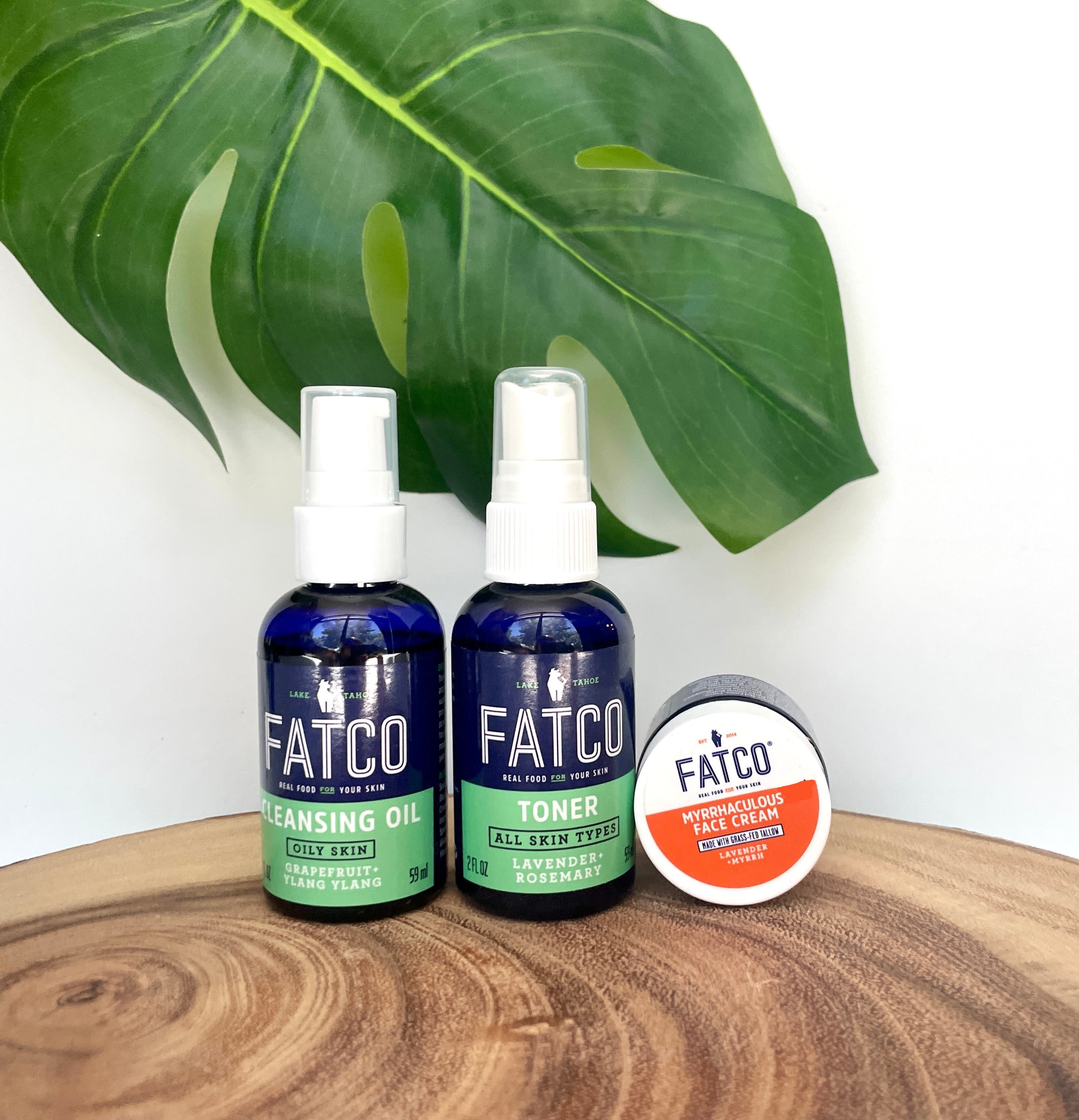
Two honest notes. First, a tallow face cream has no humectants, so it seals whatever water is already present. That makes damp-skin application non-negotiable: press it on within those three minutes and it locks the water in; apply it to dry skin and there is less to lock. Second, if richer formulas make you nervous about breakouts, the evidence on moisturizers clogging your pores is reassuring, since most formulas do not, though acne-prone skin should always patch test first. A pea-sized amount of the Myrrhaculous Face Cream covers the whole face, and there is nothing in the jar to evaporate.

Got Questions?
Dry Skin FAQ
Q Why is my skin still dry even after moisturizing?
The most common cause is a humectant-heavy lotion that attracts water but cannot stop it evaporating. Other culprits are applying moisturizer to dry rather than damp skin, hot showers, dry indoor air, and underlying conditions like eczema. A richer emollient or occlusive cream fixes most cases.
Q Can over-moisturizing make your skin drier?
Not directly, but over-moisturizing creates its own problems that mimic dryness. Excess product sits on the surface, pills into flakes, and can prompt harsher washing to remove the film, which does dry you out. Telltale signs include congestion, dullness, and cream that never seems to absorb.
Q Why is my skin flaky even after moisturizing?
Flakes are dead surface cells, and moisturizer can soften but not remove them, so they keep showing through. Exfoliate gently once or twice a week to clear the buildup, then apply a rich cream to damp skin. Flaking that persists alongside redness or itch deserves a dermatologist's look.
Q Why does my skin feel tight right after moisturizing?
Tightness soon after applying usually means the product is evaporating instead of sealing. Lotions carry more water and more alcohol than creams, and both evaporate quickly once applied. Switch to a cream or balm on damp skin; tightness that continues may signal an irritating ingredient.
Q How long does it take for skin to improve after switching moisturizers?
Expect visible improvement within one to two weeks of consistent use. In a 2022 Journal of Dermatology trial, a full dose of moisturizer applied twice daily fully cleared dry skin in 43% of patients within one week. If two weeks of damp-skin application changes nothing, look beyond the product.
Q Is tallow good for skin that stays dry after lotion?
Tallow directly addresses the usual cause, because it is the opposite of a watery lotion. It contains no water and no humectants, only emollient and occlusive fats with a profile close to your skin's own sebum. Pressed into damp skin, a pea-sized amount seals that water in.
The FATCO Alternative
The still-dry-after-moisturizing loop is built into water-based lotions: the water evaporates, the tightness returns, and you reach for the bottle again. FATCO breaks the loop by starting where lotions stop. Our Myrrhaculous and Unmyrrhaculous face creams are built on tallow from grass-fed cows, fats that overlap with your skin's own surface lipids, with no water filler and nothing to flash off into the room. Apply a pea-sized amount to damp skin and let the fat do the sealing.