Vegan Skincare and Tallow: Where the Two Actually Differ

Tallow is rendered beef fat, so it is not vegan. It never has been and it never will be, whatever sourcing story is attached to it. If you searched vegan skincare, that is the answer to the question that matters, and this page is not going to argue with it. What follows is what the vegan label actually guarantees, where it stops, and how plant lipids behave when they take over the job an animal fat was doing.
Key Takeaways
- Tallow cannot be vegan. It is rendered from cattle, and FATCO's own FAQ says the brand uses animal byproducts. No sourcing standard changes that.
- Vegan certification covers testing, not just ingredients. The Vegan Society's Trademark bars animal ingredients and animal testing, and asks brands to minimise cross-contamination.
- Cruelty-free is a different claim, and a looser one. FDA says the phrase has no legal definition. Leaping Bunny checks testing, not where an ingredient came from.
- Plant lipids do the barrier job differently, not worse. Jojoba brings wax esters tallow does not have. Safflower and sunflower bring linoleic acid, which skin cannot make for itself.
- The real tradeoff is stability, not virtue. Solid fats hold a surface layer and keep longer. Polyunsaturated plant oils need antioxidants and a shorter window.
What the Vegan Label Actually Commits a Brand To
On an uncertified bottle, vegan is a claim a brand makes about itself. A certification makes it checkable by somebody else.
The Vegan Society coined the word in 1944 and has run the Vegan Trademark since 1990. Its criteria are the best place to see what the label is supposed to mean. The ingredient rule is absolute. The manufacture and development of a product and its ingredients must not involve, or have involved, any animal product, by-product or derivative.
Two conditions sit alongside it that most people do not associate with the word. The Trademark also requires that no testing of any sort on animals was involved. That covers tests required by law in any territory, where the company initiated them or controls the party that did. And it asks brands to minimise cross-contamination as far as is reasonably practicable, with production lines cleaned before a vegan run. Registration renews yearly.
So a certified product answers both questions. An uncertified claim answers only the one the brand chose to.
The animal-derived ingredients that turn up most often are beeswax, honey, lanolin, carmine and tallow. Reading a panel for them is the same skill in every category, which is why choosing a vegan lip balm uses the same handful of words.
Vegan and Cruelty-Free Answer Different Questions
These two get printed side by side often enough to read as one idea. They are not.
Cruelty-free is the looser of the two. FDA's position on cosmetic labeling is blunt: unrestricted use of the phrase is possible because there is no legal definition for it. The same page notes that a brand may rest the claim on raw materials that are not currently tested on animals, even where they were tested years ago.
Certification fills part of that gap. Leaping Bunny is run by the American Anti-Vivisection Society under a standard approved by the Coalition for Consumer Information on Cosmetics. It requires a fixed cut-off date, after which neither the brand nor its suppliers may commission animal tests. It also requires a supplier monitoring system, openness to independent audits, and annual recommitment. PETA's program works differently. A company signs a statement of assurance, and PETA keeps a separate list for vegan companies that do not test.
Neither is a government standard. Neither says anything about where an ingredient came from.
FATCO is the worked example, and it cuts against us. Its own FAQ answers the cruelty-free question with a yes, then keeps going. It has never tested on animals, and it does use animal byproducts, tallow being the obvious one.
Where Tallow Comes From, and Why the Answer Never Changes
Tallow is rendered beef fat: suet or trim melted at low heat, strained, and cooled solid. FATCO's published position is that the tallow worth using comes from grass-fed suet and is dry rendered and triple filtered. Grass-fed is not a regulated term in the United States. USDA's Agricultural Marketing Service withdrew its grass-fed marketing claim standard in January 2016, so it is a claim the brand makes rather than one a federal standard defines.
None of that gets anywhere near vegan, and the byproduct argument does not either. Using the whole animal is an argument about waste, not an argument that no animal was used.
What Each Approach Is Asking of the Barrier
Start with what is actually there. The lamellae of the stratum corneum are built from ceramides, cholesterol and free fatty acids together, and the free fatty acid share is mostly long-chain and saturated, C16 to C26. A 2018 review of topical plant oils in the International Journal of Molecular Sciences breaks that share down. Lignoceric acid is about 25 percent of the free fatty acids and behenic 15.
Neither tallow nor a plant oil rebuilds those lipids. Both work from above. The same review notes that almond, jojoba, soybean and avocado oils applied topically mostly remain at the surface of the skin, slowing water loss by occlusion.
Tallow's contribution is its saturated fraction. USDA reference data puts beef tallow at roughly 52 percent saturated fat. Oleic acid is about 38 percent of its total fatty acids, palmitic 26 and stearic 20. It is solid at room temperature, so it stays where it is put. It shares fatty acids with the skin's surface lipids, and the overlap is partial rather than complete. The skin's leading monounsaturate is sapienic acid, and sebum carries squalene and wax esters that tallow has none of.
A plant formula reaches the same occlusion by combining parts. Hard butters and plant waxes supply the solid fraction a liquid oil cannot, and liquid oils supply the spread. Shea butter is the workhorse. The review describes it as triglycerides of oleic, stearic, linoleic and palmitic acid, plus an unsaponifiable fraction of triterpenes, tocopherol, phenols and sterols. That fraction carries its anti-inflammatory reputation.
Two things the plant route has that tallow does not are worth saying out loud. The first is linoleic acid. Keratinocytes can synthesise most of the free fatty acids in the barrier, but not linoleic acid, which has to arrive from outside. Safflower oil is about 70 percent linoleic. Tallow is about 3 percent. The second is wax esters. Jojoba is a liquid wax rather than a triglyceride, and the review credits its high wax ester content as a reason it suits barriers that are already disrupted. Sebum contains wax esters. Tallow contains none.
Which Route Fits
| What you are actually optimizing for | Better fit | Why |
|---|---|---|
| Avoiding animal products as an ethical line | A certified vegan brand | Only certification checks ingredients and testing together |
| Linoleic acid, which skin cannot make itself | High-linoleic plant oils | Safflower runs about 70 percent linoleic, tallow about 3 |
| A solid layer that holds through the day | Tallow, or a shea and plant-wax blend | Saturated fat and hard butters hold a surface layer longer |
Where a Plant Formula Has to Work Harder
None of this makes plant oils fragile or unsafe. It makes them a different engineering problem.
Stability is the first part of it. A 2025 review of sacha inchi oil in Molecules, an oil rich in omega-3 and omega-6 fatty acids, states the issue directly. Its high content of unsaturated fatty acids makes the oil highly susceptible to oxidation, which reduces quality and stability. Jojoba runs the other way. The 2018 review credits it with high oxidative stability and resistance to degradation, and jojoba is a wax rather than a triglyceride. That is part of why tocopherol and rosemary extract turn up on plant-oil ingredient lists. The same review identifies phenolic compounds and tocopherols as the antioxidant fraction plant oils carry naturally.
Occlusion is the second. A liquid oil absorbs and spreads, while a fat that is solid at room temperature holds a surface layer for longer. That is most of the practical difference between tallow and a high-oleic oil like olive. Matching a solid fat with plants means a hard butter, a plant wax or an emulsion, each of which adds ingredients rather than removing them.
Water is the third, and it gets described wrongly. This is not a plant-versus-animal difference but an anhydrous-versus-emulsion one, and both routes make both kinds. A product with no water in it does not need the preservative system a mostly-water cream does. The same agency's guidance not to add water to a cosmetic explains why. You may be adding microorganisms, and you dilute the preservatives meant to stop them growing.
A shelf window follows for anything oil-based, ours included. FATCO's own FAQ says the brand uses no artificial preservatives. Its products should be opened within two years of the manufacturing date and used within six months of opening. A good vegan cream and a good tallow balm both have one.
Got Questions?
Frequently Asked Questions
Q Is tallow vegan?
No. Tallow is fat rendered from cattle, which makes it an animal product under every vegan standard in use, including The Vegan Society's. Sourcing does not change the answer. Grass-fed, pasture-raised, byproduct of meat you were going to produce anyway: all true, none of it vegan.
Q Does vegan skincare mean cruelty-free?
Not automatically, and the reverse is also false. Cruelty-free describes animal testing, while vegan describes ingredients. Leaping Bunny certifies the first and says nothing about ingredient origin. The Vegan Society's Trademark happens to cover both, since its criteria bar animal ingredients and animal testing together.
Q What does vegan mean on a skincare label?
With a certification behind it, it means no animal product, by-product or derivative was used in the product or its ingredients. Without one, it means whatever the brand decided it means. FDA's labeling guidance notes that phrases like cruelty-free go unrestricted because there is no legal definition for them.
Q Is vegan skincare better for your skin?
Not inherently. Vegan describes where ingredients came from, not how a formula performs, and behavior on skin comes from the actual lipids in the jar. A well-built plant formula and a well-built animal-fat one can both suit your skin, or both irritate it.
Q Is tallow vegetarian?
No. Rendering tallow requires the animal to be slaughtered, so it fails a vegetarian standard as well as a vegan one. Beeswax, honey and lanolin are the ingredients that split those two groups, since they come from living animals. Tallow does not sit in that category.
Q What is the closest plant alternative to tallow?
There is no single one, because tallow does three jobs at once. Shea butter covers the solid, occlusive part of the job. Jojoba covers the wax esters. A high-linoleic oil like sunflower or safflower covers the fatty acid tallow is lowest in.
The FATCO Alternative
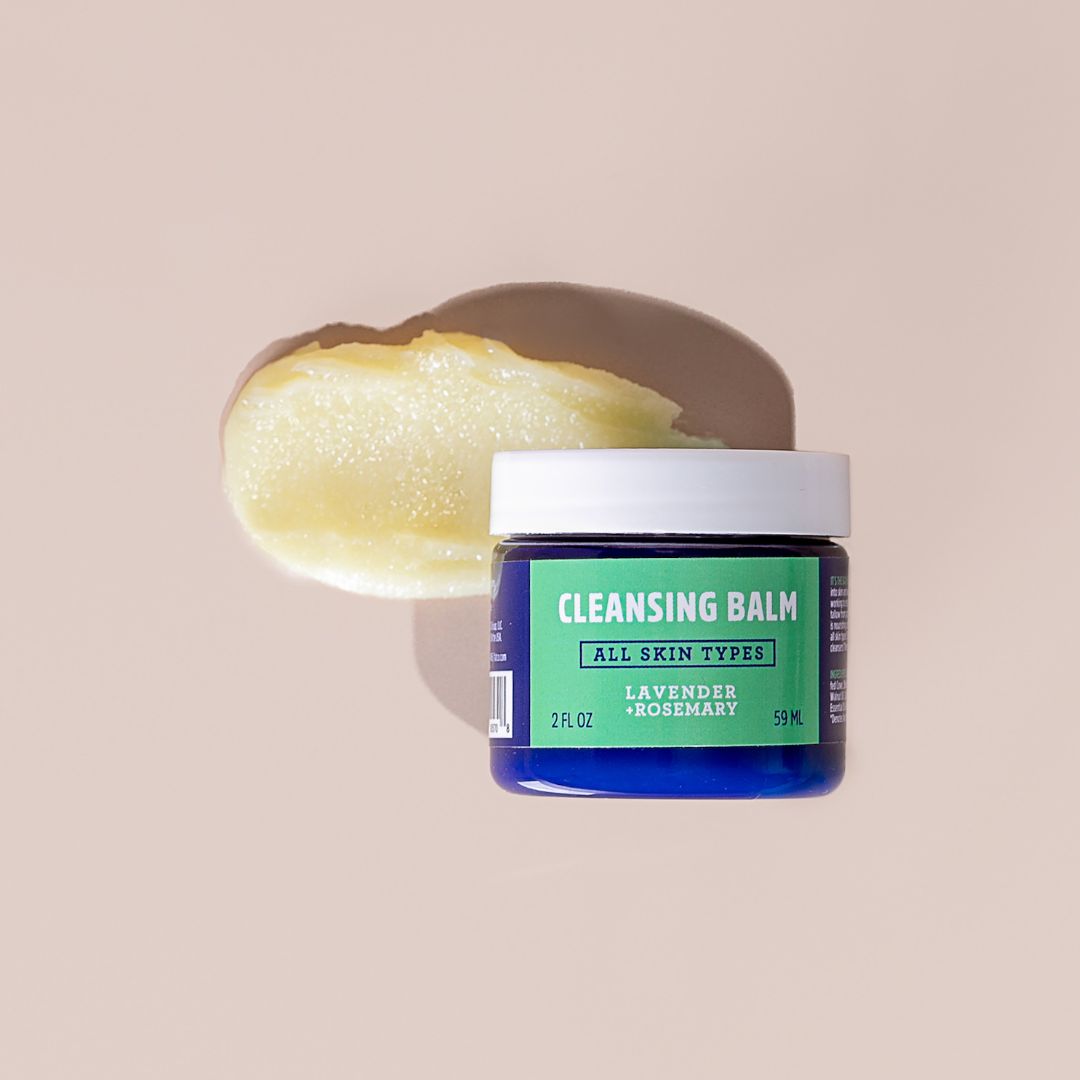
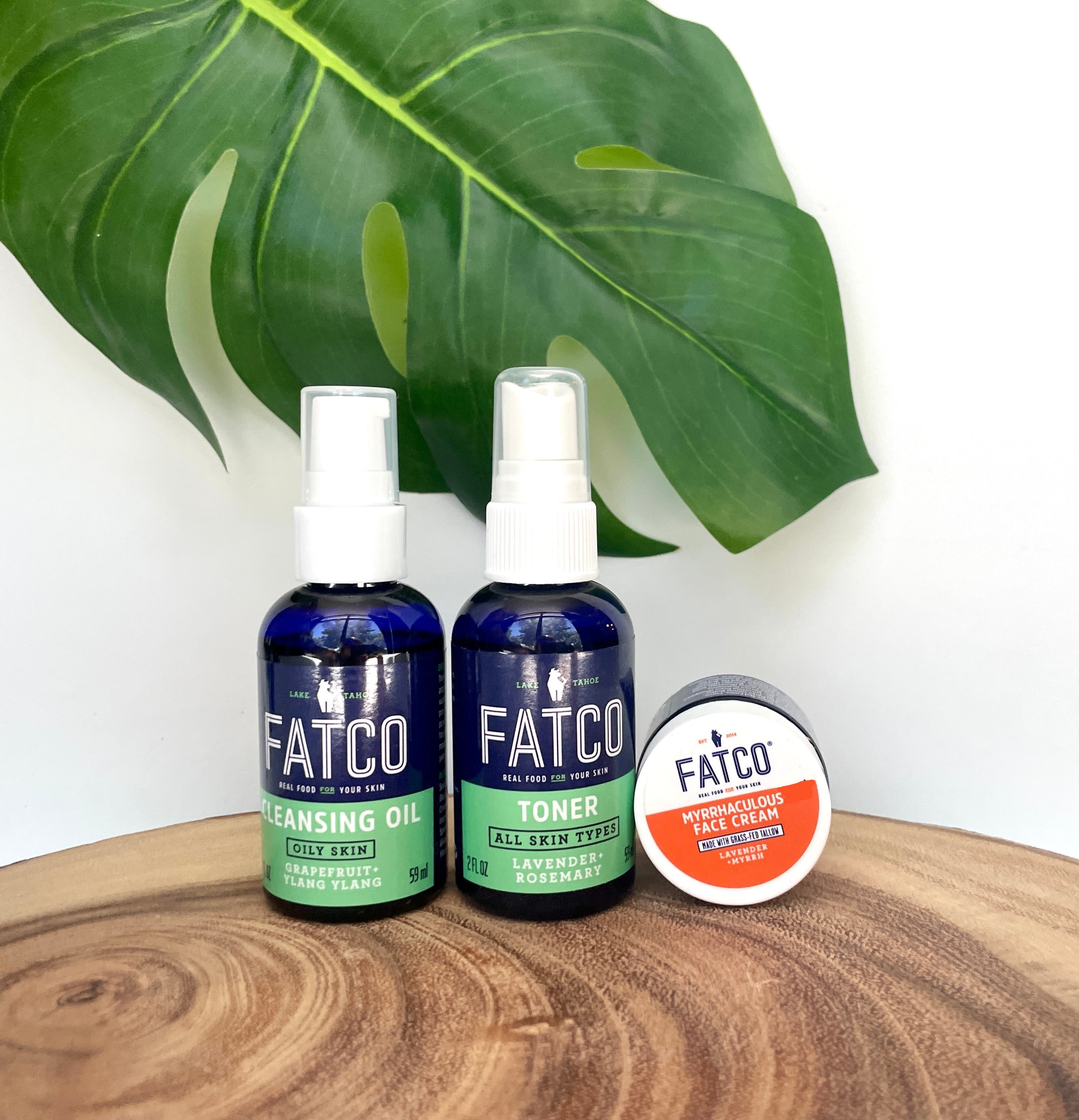
FATCO is not vegan and is not trying to become vegan. Its face creams list one animal fat and beeswax alongside eleven plant oils and butters, and one animal-derived line disqualifies the product. The cleansing oils are a narrower case worth stating accurately. All three list only plant oils and essential oils, no tallow and no beeswax, which makes them ordinary plant-oil cleansers in construction. FATCO holds no vegan certification, though, and we are not going to claim one on the brand's behalf.
Who each route suits is the honest ending. If avoiding animal products is a line you hold, a certified vegan brand is your answer, and nothing here should move you off it. If your objection was really to petroleum derivatives, synthetic fragrance and long ingredient lists, tallow is worth reading about on its own terms.