What Does a Toner Do?
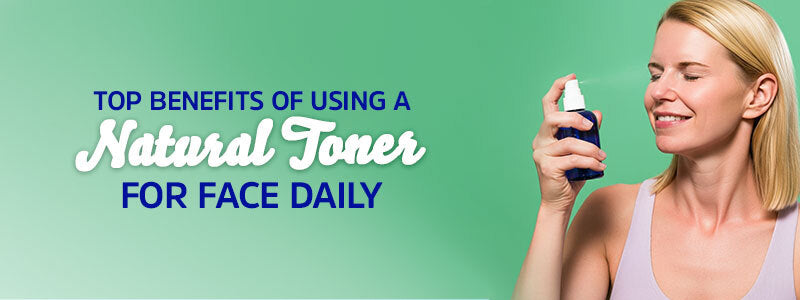
What does toner do? It depends on what is in the bottle. A toner is a watery liquid that goes on after you wash your face and before moisturizer. Hydrating toners add ingredients that draw in water, acid toners exfoliate, and astringent toners made with alcohol or witch hazel take off oil and can leave skin drier. None of them is essential, and some skin does better without one.
Key Takeaways
- Toner is a category, not one product. Hydrating, acid and astringent formulas do different jobs, so the ingredient list tells you which benefit you are buying.
- The step is optional. A medically reviewed Healthline guide says neither toners nor astringents are essential for healthy skin.
- Skin brings its own pH back. A paper published in 2006 reports that plain tap water raises skin pH for up to 6 hours before it returns to its usual acidic level.
- Natural does not mean mild. Witch hazel and essential oils turn up in many natural toners, and both are worth checking if your skin reacts easily.
- FATCO's Toner has no tallow in it. It lists plant waters, witch hazel, apple cider vinegar, glycerine, aloe and two essential oils.
What Does Toner Do?
Toner sits between cleansing and moisturizing. It is mostly water, it goes on with a cotton pad or your fingertips, and the rest of the formula decides what it does for your skin.
A medically reviewed Healthline guide sorts toners into three main types: alcohol-based, glycerin- or glycol-based, and water-based. The bad reputation belongs to the first group. The same guide describes older toners as high in alcohol, so they removed oil and seemed to take every bit of moisture with it.
Modern versions mostly skip that. The guide credits them with a second cleanse that lifts leftover makeup, oil and grime, and with a burst of hydration. It adds that a toner can help skin better absorb the products that follow.
Toner Benefits by Type
The benefit you get comes from the formula, so it helps to know which kind you are holding.
| Type | Common ingredients | Main job |
|---|---|---|
| Hydrating | Glycerin, hyaluronic acid, aloe | Attracts water to the skin |
| Exfoliating | Glycolic, lactic or salicylic acid | Removes dead surface cells |
| Astringent | Alcohol, witch hazel, citric acid | Takes off oil and leaves skin feeling tight |
Hydrating. Cosmetic chemist Vanessa Thomas, quoted in the same guide, says dry skin types will want a toner that contains humectants. Humectants pull water molecules toward the skin. Hydrating toners are a topic of their own, but that is the core of what they do.
Exfoliating. An acid toner is an exfoliant in liquid form. Glycolic acid is a common one, and the toner guide suggests an alpha hydroxy acid for acne-prone skin to remove dead skin. If you already use a scrub, a peel or another acid, an acid toner counts toward the same total.
Astringent. Healthline's astringent guide, reviewed by dermatologist Susan Bard, MD, notes that many astringents contain isopropyl alcohol, the same thing as rubbing alcohol. For dry or sensitive skin, the guide says alcohol can irritate skin and dry it out further. Witch hazel toners have a following of their own, and witch hazel is one of three astringent active ingredients named in the FDA's rules for over-the-counter skin protectants.
Does Toner Balance Your Skin's pH?
The skin's surface is mildly acidic. A study published in 2006 measured the inner forearm of 330 people and estimated the natural surface pH at about 4.7. PubMed gives the lead author's affiliation as Sara Lee Household and Body Care Research and lists no funding.
The same paper reports that soaps have a strong effect on skin pH, and that even plain tap water raised it for up to 6 hours before it returned to its natural value. So skin does the rebalancing by itself, given a few hours.
The case for a pH toner is speed. The toner guide says skin's pH can recover within hours, and that a toner can be used to balance it quickly. Whether a given toner does that depends on the toner's own pH, which an ingredient list does not show.
Who Can Skip Toner
Most people can. The astringent guide puts it plainly: "Neither product is essential for healthy skin." A cleanser and a moisturizer already cover the basics.
A few groups have more reason to leave it out, or to choose one with care:
- Skin under acne treatment. The American Academy of Dermatology tells people treating acne to avoid products that can irritate skin, including astringents, toners and exfoliants. It says these can dry skin and make acne look worse.
- Dry skin. The astringent guide steers dry skin away from alcohol, which can dry it out further.
- Skin that reacts easily. The toner guide suggests a water-based toner without alcohol, fragrance or witch hazel to lower the risk of irritation. A sensitive skin routine often works better with fewer steps, not more.
Overuse is the other trap. The astringent guide lists redness, dry patches, itching and more breakouts among what you might notice from using a toner more than twice a day.
What Is a Natural Face Toner?
A natural face toner replaces alcohol and synthetic fragrance with plant waters, vinegars and extracts. Rose water, witch hazel, aloe vera gel and apple cider vinegar are the usual names. Rose water toners are their own category, built around one floral water.
Natural tells you where an ingredient comes from, not how your skin will take it. Witch hazel is an astringent. And essential oils are fragrance ingredients, whether or not the label says "fragrance". A toner scented only with lavender oil still counts as a scented toner.
That does not make natural toners a bad choice. It means the same label reading applies to them as to any other bottle.
Where Toner Fits, and Where Tallow Comes In
The order is the same morning and night: cleanse, tone, then moisturize. Most of using toner correctly comes down to that order and a light hand. A toner is water-based, so it brings no fat of its own. That is the moisturizer's job, and it is where tallow earns its place.
Tallow is rendered beef fat. Most of it is oleic, palmitic and stearic acid. Two of those, oleic and palmitic, also occur among the lipids on the skin's surface, but the match between tallow and skin is only partial.
On both FATCO face creams, Myrrhaculous and Unmyrrhaculous, tallow from grass-fed cows is the first ingredient on the product page. Coconut oil, shea butter, jojoba and argan oil follow among other plant oils, with lavender essential oil, and Myrrhaculous adds myrrh essential oil. Read the full panel first if you have allergies.
FATCO's Toner
FATCO makes one toner, in two sizes, with eight ingredients: distilled water and rose water first, then witch hazel, raw apple cider vinegar, vegetable glycerine and aloe vera gel, with lavender and rosemary essential oils last. That puts it across the types above: glycerine and aloe on the hydrating side, witch hazel on the astringent side, and two essential oils for scent. It contains no tallow.
The directions pair it with FATCO's cleansing oil: shake the bottle, spray it onto a cotton ball and swipe it gently over your face. If witch hazel or essential oils have bothered your skin before, this is not the toner for you. Lavender and rosemary are both on it, so anyone sensitive to either should read the label first.
Got Questions?
Frequently Asked Questions
Q What is a natural face toner?
A natural face toner swaps alcohol and synthetic fragrance for plant ingredients such as rose water, witch hazel, aloe or apple cider vinegar. Natural describes the source, not how gentle it is. Witch hazel is an astringent and essential oils are fragrance ingredients, so reactive skin should read the label first.
Q What are the benefits of using a face toner?
It depends on the formula. A hydrating toner adds humectants such as glycerin, an acid toner exfoliates, and an astringent toner removes oil. Toners can also lift leftover makeup after cleansing. None of this makes toner essential, and a cleanser and moisturizer cover the basics for most skin.
Q Do face toners work?
They do the job their ingredients allow, and no more. A glycolic toner exfoliates, a glycerin toner adds water-binding ingredients and an alcohol toner strips oil. A toner will not replace a moisturizer or change your skin type. If your face feels comfortable after washing, skipping it is fine.
Q Can you use toner twice a day?
Usually, yes, if your skin tolerates it. Healthline's toner guide suggests morning and night only as far as your skin allows, and going back to once a day if it turns dry or irritated. Using a toner more than twice a day can bring redness, dry patches or itching.
Q Can toner replace moisturizer?
No. A toner is mostly water and brings no fat of its own, so it cannot do a moisturizer's job. A cream with oils or fats in it is the layer that softens skin. If you only want one product after cleansing, choose the moisturizer and leave the toner out.
Q Does FATCO's toner contain tallow?
No. The Toner is a watery blend of plant waters, witch hazel, apple cider vinegar, glycerine and aloe, scented with lavender and rosemary essential oils, and its product page lists no tallow. If you want tallow in the routine, it is in FATCO's face creams, which go on after the toner. Check both labels if essential oils bother you.
The FATCO Alternative
FATCO keeps the in-between step simple and puts its fat where it counts. The Toner is plant waters, witch hazel and two essential oils: a watery layer and nothing more. The tallow face creams that follow supply the fat no watery layer can. Lavender essential oil is on the product pages of the Toner and of both creams, which matters if lavender has bothered your skin before.