How to Get Rid of Redness on Your Face: Causes and What Actually Helps

Redness on your face is one of those skin signals that can mean ten different things. Sometimes it fades in an hour. Sometimes it stays for weeks and you have no idea why. This guide covers the most common causes of facial redness, how to get rid of redness with a practical calming routine, ingredients to avoid, and when it might be something worth discussing with a dermatologist.
Key Takeaways
- Facial redness has many causes: barrier damage, contact irritation, weather, allergic reactions, and chronic conditions like rosacea all look similar on the surface.
- A simplified, fragrance-free routine is the first step: fewer products, gentler cleansing, and consistent moisturizing can reduce reactivity over time.
- Some ingredients make redness worse: alcohol, fragrances, menthol, and exfoliating acids are common culprits in sensitive skin flare-ups.
- Persistent redness that doesn't fade with lifestyle changes may be rosacea: a dermatologist can confirm the diagnosis and discuss treatment options.
- Tallow-based care suits some reactive skin: tallow shares fatty acids with the skin's surface lipids and works as an occlusive, though FATCO's face creams are scented with essential oils and a patch test is always a smart first step.
What Causes Redness on the Face?
Redness is not a diagnosis. It is a symptom, and the underlying trigger matters a lot when it comes to choosing how to respond.
Skin Barrier Damage
Your skin's outer layer does two jobs: it keeps moisture in and keeps irritants out. When that barrier is compromised, tiny gaps allow irritants and allergens to reach the deeper layers, which triggers an inflammatory response you see as redness, stinging, or tightness. Over-cleansing, scrubbing, and products with harsh surfactants are common culprits. So is skipping moisturizer in cold or dry weather.
Contact Irritation
Products with high concentrations of alcohol, synthetic fragrance, menthol, or strong exfoliating acids can directly irritate skin, especially if your barrier is already weakened. This type of redness tends to appear quickly after product use and fades once you stop using the irritant.
Allergic Reaction
Allergic contact dermatitis is different from irritation: it involves the immune system. A 2025 review of contact allergy to cosmetics in Current Dermatology Reports puts fragrances and essential oils at the top of the list, followed by preservatives such as methylisothiazolinone (now restricted in cosmetics, which has brought its rate down), hair-dye chemicals like para-phenylenediamine, and nickel released by metal applicator tips and packaging. The redness from an allergic reaction often comes with itching or a rash and may persist for several days even after removing the trigger.
Weather and Temperature
Wind, cold, and sudden temperature changes can dilate blood vessels in the face, causing temporary redness and flushing. Heat from hot showers, exercise, and spicy food can have a similar effect. For most people, this type of flushing fades on its own.
Rosacea
Rosacea is a chronic inflammatory skin condition that causes facial redness, visible blood vessels, and sometimes acne-like bumps. Published US counts vary with the survey behind them: Cleveland Clinic puts it at more than 14 million people, while Healthline cites more than 16 million Americans. Cleveland Clinic also places the symptoms most often on the nose, cheeks, and forehead, usually starting after age 30. Rosacea cannot be cured, but it can be managed with the right skincare approach and, in some cases, medical treatment. More on rosacea below.
How to Get Rid of Redness on Your Face
The goal is to reduce inflammation, support barrier recovery, and avoid anything that re-triggers the cycle.
Start with a Gentler Cleanse
Harsh surfactants strip the skin's surface lipids, and true soap does something else on top of that. Saponification needs a strong alkali, so a soap bar always lands on the alkaline side, while healthy skin sits at roughly pH 4 to 6. A 2022 review of cleansers in Molecules found that above about pH 8 the corneocytes swell measurably and the fatty acids in the lipid bilayers ionise, destabilising the bilayer itself. Switch to a low-lather, pH-balanced, fragrance-free cleanser. Use lukewarm water only. Hot water dilates blood vessels and adds unnecessary heat stress to already reactive skin.
Pat dry with a clean towel. Do not rub.
Layer on a Simple Moisturizer Right After Cleansing
Apply your moisturizer while your skin is still slightly damp to lock in water. Rosacea is the exception, and it runs the other way. The American Academy of Dermatology's skin care advice for rosacea is to wait for your face to dry first, because moisturizer applied then is "less likely to burn or sting". Look for formulas with ceramides, fatty acids, or other lipid-based ingredients that make up a healthy skin barrier. Skip anything with fragrance, alcohol, retinol, or vitamin C until your skin has calmed down. Adding active ingredients during a flare almost always makes things worse.
Cut Your Routine Down to Essentials
If your skin is reactive, more products mean more chances for a trigger. A two-step routine (cleanser and moisturizer, with sunscreen in the daytime) is often enough to let your barrier recover. Reintroduce additional products one at a time, with several days in between, so you can identify what your skin tolerates.
Protect from the Sun
UV rays are one of the most consistent triggers for facial flushing, and sun exposure is on Cleveland Clinic's list of common rosacea triggers. Daily SPF, even on overcast days, gives your skin a chance to recover rather than sustaining repeated UV insults. For the format, the American Academy of Dermatology is direct: dermatologists recommend physical sunscreens for people with sensitive skin, meaning the ones whose active ingredient is zinc oxide, titanium dioxide, or both.
Ingredients and Habits That Can Make Redness Worse
Knowing what to avoid is as useful as knowing what to use.
- Alcohol (denatured/ethanol): Dries out the barrier and spikes inflammation in sensitive skin.
- Synthetic fragrance: One of the most common causes of contact dermatitis. Fragrance is often listed simply as "fragrance" or "parfum" and can contain dozens of compounds.
- Menthol and eucalyptus: Cooling agents that feel soothing momentarily but can cause vasodilation and irritation on reactive skin.
- Retinol and strong exfoliants: AHAs, BHAs, and retinol all work by increasing cell turnover. That process can be beneficial long-term but will aggravate an already irritated barrier in the short term.
- Hot water and long showers: Strips the skin's natural oil film and temporarily dilates surface blood vessels.
- Rubbing or over-touching: Physical friction keeps the inflammatory cycle going.
When Redness Might Be Rosacea
If your facial redness has any of the following features, it is worth speaking with a dermatologist.
- Redness that persists for weeks or months rather than fading after a day or two
- Visible small blood vessels (telangiectasia) on cheeks or nose
- Acne-like bumps without blackheads
- Flushing that is triggered consistently by heat, sun, alcohol, or spicy food
- Skin that burns or stings even from products that feel gentle to others
Rosacea is a lifelong condition, and symptoms often fluctuate in cycles. The Cleveland Clinic notes that rosacea is a common inflammatory skin condition that causes redness on your face and that triggers like sun exposure, temperature changes, stress, and certain foods can cause flares. There is no cure, but a consistent, gentle routine and trigger avoidance can significantly reduce how often flares happen and how severe they are when they do.
Do not self-diagnose rosacea based on redness alone. Many conditions look similar, and a dermatologist can confirm it and help you build a treatment plan.
Where Gentle Tallow-Based Care May Fit In
Tallow shares fatty acids with your skin's surface lipids, which is the compatibility argument some people with reactive or sensitive skin make for it over synthetic moisturizers. USDA reference data for beef tallow (SR Legacy, fdcId 171400) gives 36 g of oleic acid, 24.9 g of palmitic acid, and 18.9 g of stearic acid per 100 g, and all three also turn up in the skin's own surface lipids.
It is worth stating the limit of that argument rather than overselling it. Barrier repair work points to ceramides, cholesterol, and free fatty acids together, in ratio, as what rebuilds a depleted lipid layer. Tallow supplies fatty acids, not that full mixture, so the honest description is a compatible occlusive with a short ingredient list: it slows water loss from the surface and does not add the long additive lists that set off reactions. It is not a barrier-repair formulation and it is not a treatment for anything.
One thing to check before you buy. Plain rendered tallow has no scent added, but most finished tallow face creams, FATCO's included, are scented with essential oils, and an essential oil is still fragrance. Contact allergy reviews put fragrances and essential oils at the top of the cosmetic allergen list, so if you are screening scent out entirely, read the label rather than the front of the jar.
Everyone's skin is different. Tallow is an animal fat, and if you are prone to congestion or have never used oil-based products on your face, a patch test on the inner arm or jawline is a sensible first step before applying it to the whole face. Start with a small amount and see how your skin responds over a week or two before drawing any conclusions. Redness with a known trigger like rosacea needs medical care alongside any topical routine, not instead of one.
Got Questions?
Facial Redness FAQ
Q What is the fastest way to reduce redness on your face?
Remove the trigger first, whether that is a harsh product, heat, or friction, then apply a simple fragrance-free moisturizer or a cool compress. Both calm acute redness quickly. Lasting improvement takes longer and comes from consistent barrier support plus steering clear of the ingredients and habits that set redness off in the first place.
Q Can redness on the face go away on its own?
Redness from a temporary trigger, like wind, heat, or a mild irritant, often fades within a few hours to a day. Redness from a compromised barrier or a condition like rosacea tends to persist unless you address the underlying cause.
Q What ingredients help soothe facial redness?
Ceramides, fatty acids, niacinamide, and centella asiatica are the ones most often formulated into products for sensitive, redness-prone skin, though niacinamide does not suit everyone. For persistent facial redness specifically, the strongest clinical evidence sits with prescription topicals, not cosmetic ingredients, so a dermatologist is the faster route. Introduce one new ingredient at a time to track what helps.
Q Can diet affect redness on the face?
For rosacea specifically, yes: spicy foods, alcohol, and hot beverages are well-documented flushing triggers worth tracking and limiting. For general barrier-related redness, diet plays a smaller, more indirect role. Chronic dehydration and nutritional deficiencies can still affect overall skin health and how well your barrier recovers between flares.
Q How do I know if my redness is rosacea or something else?
Rosacea usually shows up as persistent central-face redness, visible blood vessels, and flushing tied to consistent triggers. Healthline describes it as a chronic skin disease with flare-ups over weeks or months, not a one-time reaction. A dermatologist can rule out contact dermatitis, perioral dermatitis, and other conditions that look similar.
Q Is fragrance-free the same as unscented?
No. Unscented products may still contain masking fragrances that can trigger reactions in sensitive skin, while fragrance-free means no fragrance compounds were added at all. Neither label covers essential oils, which count as fragrance and are common allergens. FATCO's face creams use no synthetic fragrance but are scented with lavender essential oil, so they are not fragrance-free in that stricter sense.
The FATCO Alternative
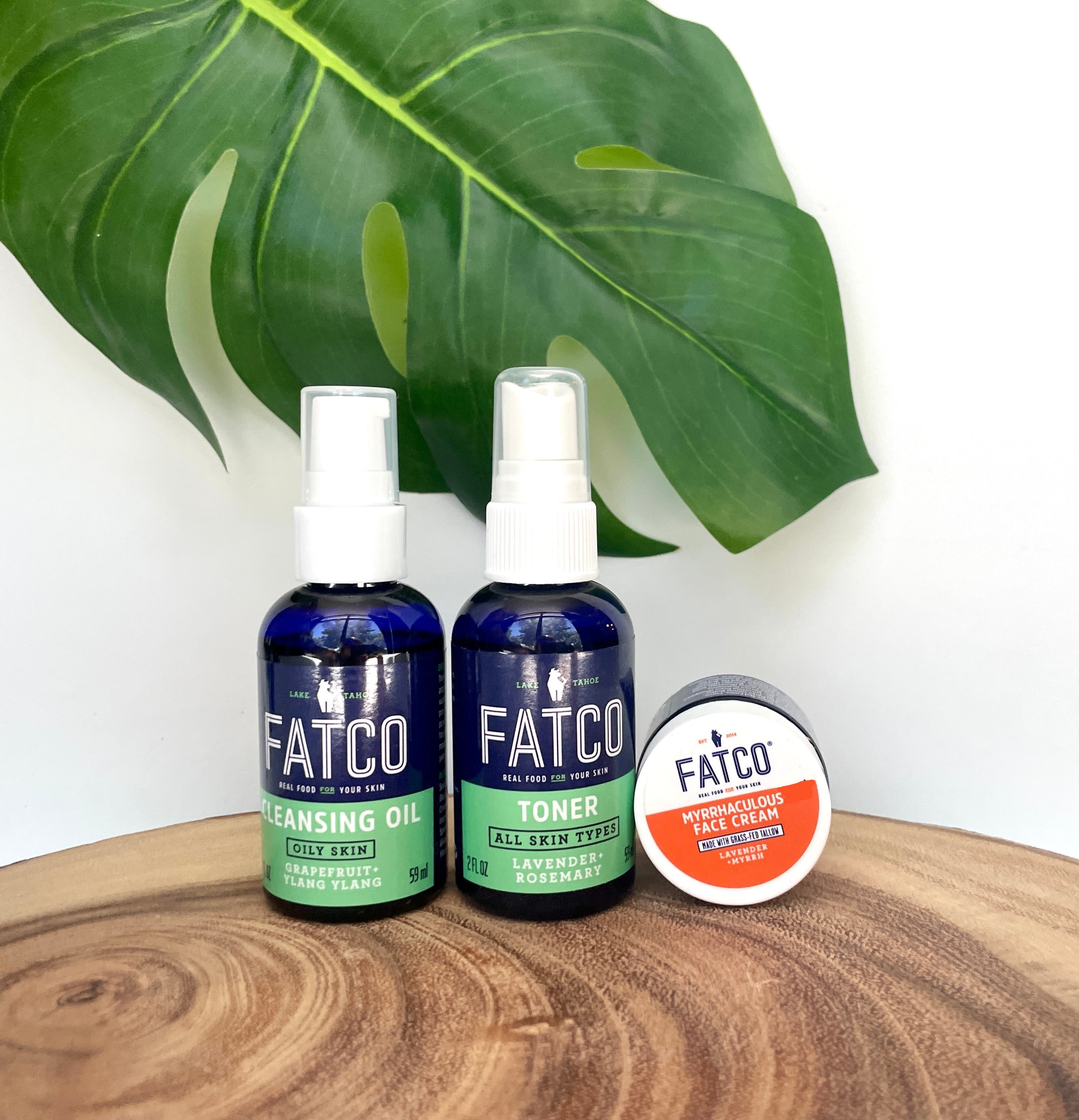
If you are working through facial redness and want a simple, real-ingredient starting point, FATCO's face care line skips the synthetic fragrance, alcohol, and synthetic preservatives that are common culprits in sensitive skin reactions. Our tallow-based creams and cleansers are built on grass-fed beef tallow, a real-food ingredient that shares fatty acids with the skin's surface lipids. They are scented with essential oils rather than synthetic fragrance, so check the label if you are avoiding scent altogether. Patch-test first, start simple, and see a dermatologist about redness that will not settle.