How to Use Beef Tallow: Daily Skincare, Hair, and First-Aid Applications

The short answer to how to use beef tallow: warm a small amount between your fingers until it turns glossy, then smooth it onto clean, slightly damp skin. It works the same basic way whether you are using it on your face, your body, your hair, or a rough patch of skin on your hands. What changes is the amount, the product texture, and the technique for each area. This guide walks through every common use case and points you to the right format for the job.
Key Takeaways
- Beef tallow works best on damp skin, applied in a thin layer and warmed between your fingers first so it spreads instead of sitting on top.
- The dose changes with the area, not just the product: FATCO's own instructions are a pea-sized amount for the face and a quarter-sized dollop of body butter head to toe. Under-dosing a concentrated balm is the more common mistake.
- "First aid" uses mean everyday dry-skin relief, not wound care. Tallow is a traditional emollient balm, not a treatment for cuts, burns, or infections.
- Start small and patch test if you have reactive or sensitive skin, since any new topical product (tallow included) can cause irritation in a small percentage of users.
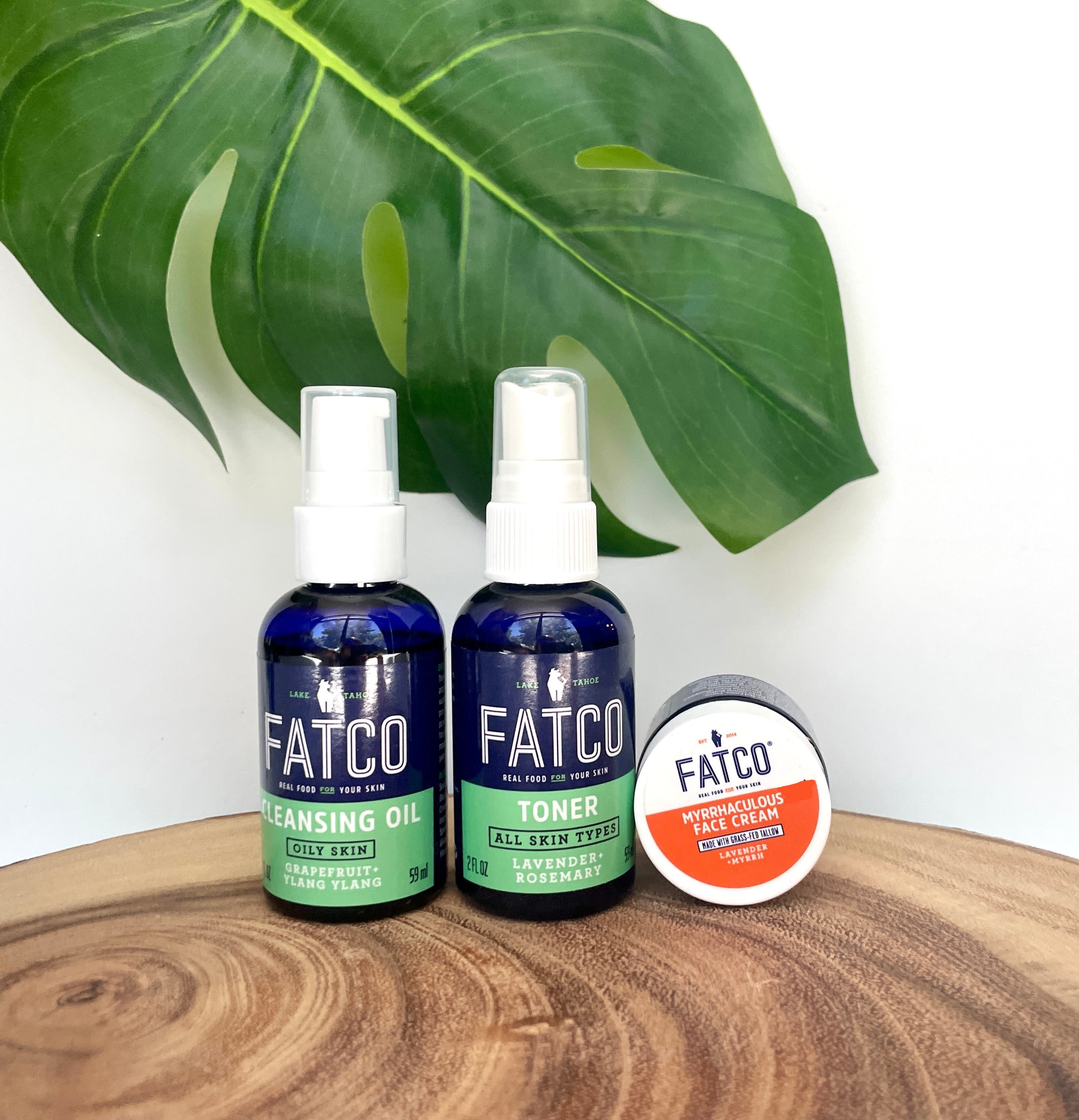
- FATCO's Myrrhaculous Face Cream, Body Butta, and Fat Stick cover the face, body, and small-area use cases. Tallow from grass-fed cows is the first ingredient in the face cream and the body butter; in the Fat Stick, beeswax leads and tallow follows, which is what makes it firm enough for a tube.
Raw Tallow vs. a Formulated Tallow Product
Plain rendered tallow and a tallow-based skincare product behave differently on skin, so it helps to know the difference before diving into applications.
Raw rendered tallow is just the pure fat, melted down and strained. Its texture ranges from a hard, waxy solid to a soft, scoopable paste, and it needs to be warmed between your palms before it spreads.
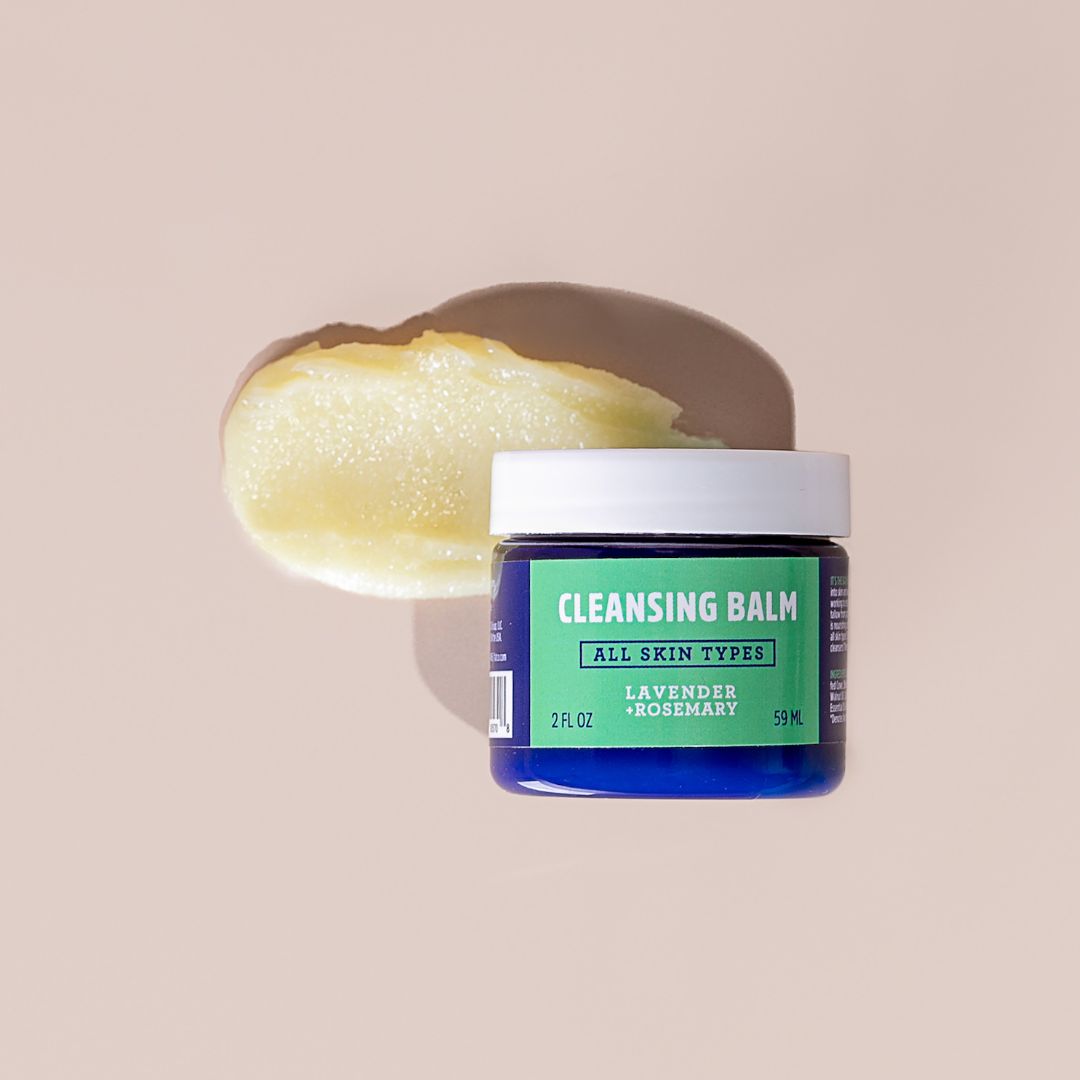
A formulated tallow product blends that same base fat with complementary oils and butters (shea, jojoba, coconut) plus a small amount of essential oil for scent. The blend softens the texture, so a scoop melts in your hands in seconds rather than needing to be worked loose.
Raw tallow makes sense if you already rendered a batch and want full control over what touches your skin. A formulated product suits daily use better, since the texture, scent, and shelf stability are already dialed in.
How to Use Beef Tallow on Your Face
Facial skin is thinner and more reactive than skin elsewhere on the body, so less product goes further.
- Cleanse with a gentle tallow soap or face wash first, then pat your skin so it stays slightly damp. Tallow moisturizes; it does not cleanse.
- Scoop a pea-sized amount and rub it between your fingertips until it turns glossy and slightly liquid.
- Press and smooth it onto your face and neck in light, even strokes.
- Give it a minute to absorb before layering anything else, such as SPF.
A formulated face cream is the more practical choice here, since raw tallow alone can feel heavy on thinner facial skin. FATCO's Myrrhaculous Face Cream uses grass-fed tallow as the base, blended with shea butter, jojoba oil and several other plant oils, plus myrrh and lavender essential oils. FATCO's own instruction is a pea-sized amount, warmed between the fingertips, applied to face and neck morning and evening.
How to Use Beef Tallow on Your Body
The technique scales up for larger areas, where raw tallow or a thicker body butter both work well.
- Apply right after a shower or bath while your skin is still slightly damp, which holds moisturizer better than dry skin.
- Warm a quarter-sized dollop between your palms until it melts. That is FATCO's own instruction for Body Butta, head to toe, and deliberately more than the pea-sized dab a face cream calls for.
- Massage it in using circular motions, focusing on elbows, knees, and shins, which lose moisture fastest.
- Let it sit a minute before dressing so it absorbs instead of transferring onto clothing.
Body skin covers far more ground than the face, which is why FATCO's Body Butta is built on the same grass-fed tallow base with cocoa and mango butters added, in Calming (lavender and clary sage) and Invigorating (orange, ginger and ylang ylang) scent profiles. For more on getting the most out of a jar, our guide to using tallow body butter effectively covers application, storage, and shelf life in more depth.
How to Use Beef Tallow for Hair
Tallow works on hair differently than most conditioning products, since it targets the scalp rather than the strands.
- Take a very small amount, less than you would use on your face, and melt it between your fingertips.
- Massage it directly into your scalp, focusing on dry or flaky patches rather than the length of your hair.
- Leave it on while you finish getting ready, or a very light amount overnight if your scalp runs especially dry. There is no established protocol for this, so treat the timing as preference rather than a rule.
- Shampoo normally afterward. A little goes further on the scalp than most people expect the first time.
This is a scalp treatment, not a leave-in for the length of your hair. A rich fat left on the strands tends to weigh hair down rather than add shine.
Using Beef Tallow for Everyday Dry-Skin First Aid
"First aid" here means small, everyday irritations that do not need a doctor: chapped lips, cracked cuticles, wind-burned cheeks, and dry knuckles after too much hand-washing. Tallow is a traditional emollient balm for this kind of everyday dryness, not a medical treatment.
For these small, localized spots, a firm balm stick beats scooping from a jar. FATCO's Fat Stick is built for this: a 0.5 oz beeswax-and-tallow stick you apply straight from the tube on lips, and warm briefly on a fingertip for cuticles or a dry patch, which is the instruction on FATCO's own page. Four of the five scents use essential oils, fruit oils or natural flavors; the Baby Fat Stick is the unscented one, and it is the version to reach for if scent is a problem. Keep one in a bag or a first-aid kit for exactly these moments.
What tallow is not: a treatment for cuts, burns, infected skin, or any wound that needs to close and heal. People have applied animal fats to skin for centuries as a traditional, anecdotal practice, but that history is not clinical evidence for wound care. For an actual cut, burn, or infection, see a doctor instead of reaching for a balm.
How to Choose Your Tallow Format
| Format | Best For | Texture |
|---|---|---|
| FATCO Myrrhaculous Face Cream | Face and neck, morning and evening | Pea-sized dose, warmed between the fingertips |
| FATCO Body Butta | Body, larger dry areas, elbows and knees | Quarter-sized dollop, warmed between the palms until it melts |
| FATCO Fat Stick | Lips, cuticles, small dry spots, on-the-go | 0.5 oz beeswax-and-tallow stick, straight from the tube on lips |
| Raw rendered tallow | DIY use, full ingredient control | Varies from waxy solid to soft paste; needs warming |
Application Tips That Apply Everywhere
A few rules carry across every use case above.
Less is more. Tallow is a concentrated fat, and a little covers far more surface area than a water-based lotion. Start with less than you think you need.
Damp skin absorbs better than dry skin. Applying tallow right after washing, while your skin still holds a little water, helps it spread and absorb instead of sitting on the surface.
Warm it first. A few seconds of rubbing between your palms or fingertips turns a firm balm into something that spreads easily, whether it is raw tallow or a jarred product.
Patch test before your first full use, particularly if you have reactive or sensitive skin. The American Academy of Dermatology's own protocol is more patient than most people expect: apply the product to a quarter-sized test spot where it will not be rubbed or washed off, such as the underside of your arm, twice daily for seven to 10 days, and go ahead only if no redness, itching or swelling shows up. Emollients work by filling the spaces between skin flakes with droplets of oil, the same mechanism tallow relies on.
Got Questions?
Using Beef Tallow FAQ
Q Can you put beef tallow directly on skin?
Yes. Warm a small amount between your fingers until it turns glossy, then apply it to clean, slightly damp skin. A pea-sized amount is usually enough for the face, with a bit more for larger areas like arms or legs. No need to dilute it first for most skin types.
Q How often should you use tallow on your skin?
Daily is the normal starting point, not the ceiling. FATCO's instruction for its own face cream is morning and evening, and the more common mistake with a concentrated balm is using too little rather than too often. If skin feels greasy or you notice breakouts, cut the amount first, then the frequency.
Q Does tallow need to be mixed with anything before use?
No, tallow applies fine on its own. Some people blend it with a lighter oil to thin the texture, but that is a preference, not a requirement. FATCO's formulated products already blend tallow with lighter oils and butters, so they spread smoothly straight from the jar or stick.
Q Can you use cooking-grade tallow on your skin?
Yes, and there is no separate "skincare grade" to buy instead. FATCO's own position is that its skincare tallow is food-grade by source. What varies is the source fat (suet from the kidney and loin versus scrap trimmings), the feed, whether it was dry- or wet-rendered, and how finely it was filtered. Those are the questions to ask, not the shelf it came from.
Q Is tallow good for hair, or just skin?
Tallow works well as a scalp treatment for dryness and flaking, applied sparingly and left in briefly before shampooing out. It is not a leave-in for the length of your hair. A rich fat left on the strands weighs hair down rather than adding shine.
Q What is the easiest way to start using tallow for the first time?
Start with a small-format product built for one specific use, rather than raw tallow, since it is already formulated for spreadability and scent. FATCO's Fat Stick is a low-commitment starting point: a small, inexpensive stick to try on lips or cuticles before working up to a full routine.
The FATCO Alternative
Once you know how to use tallow, the harder question is which product fits which part of your routine. FATCO makes that simple: Myrrhaculous Face Cream for your face, Body Butta for everywhere else, and Fat Stick for the spots in between, all built around the same grass-fed tallow. You need one ingredient, in the right format for each job.