How to Make Beef Tallow at Home: 5 Easy Steps

To make beef tallow at home, cut beef fat into small pieces, melt it slowly over low heat until the liquid fat separates from the crispy solids, then strain it into clean jars and let it cool. That is the whole process. One pot, one afternoon, and a few dollars of butcher-counter fat become a shelf-stable cooking fat with a smoke point around 400°F. The five steps below fill in the details that decide whether you get clean, white, mild tallow or a greasy batch that smells like a burger. Fat choice matters most, heat control comes second, and straining does the rest.
Key Takeaways
- The process is genuinely simple: chop the fat, melt it low and slow, strain it, jar it. Low heat is the only real skill involved.
- Suet beats trimmings. The hard fat from around the kidneys renders into firmer, whiter, milder tallow than ordinary fat trimmings.
- Dry rendering wins on shelf life. Wet rendering tames the kitchen smell, but leftover water is the main thing that turns tallow rancid early.
- Moisture is the enemy in storage. Well-rendered tallow keeps for months in a cool cupboard, about a year refrigerated, and two years or more frozen.
- Skincare raises the bar. FATCO dry-renders and triple-filters grass-fed suet for its products; a kitchen batch is cooking-grade until it is filtered to that standard.

What You Need to Make Beef Tallow
You need beef fat, a heavy pot, a strainer, and a few glass jars. The fat you choose matters more than any other decision in the process.
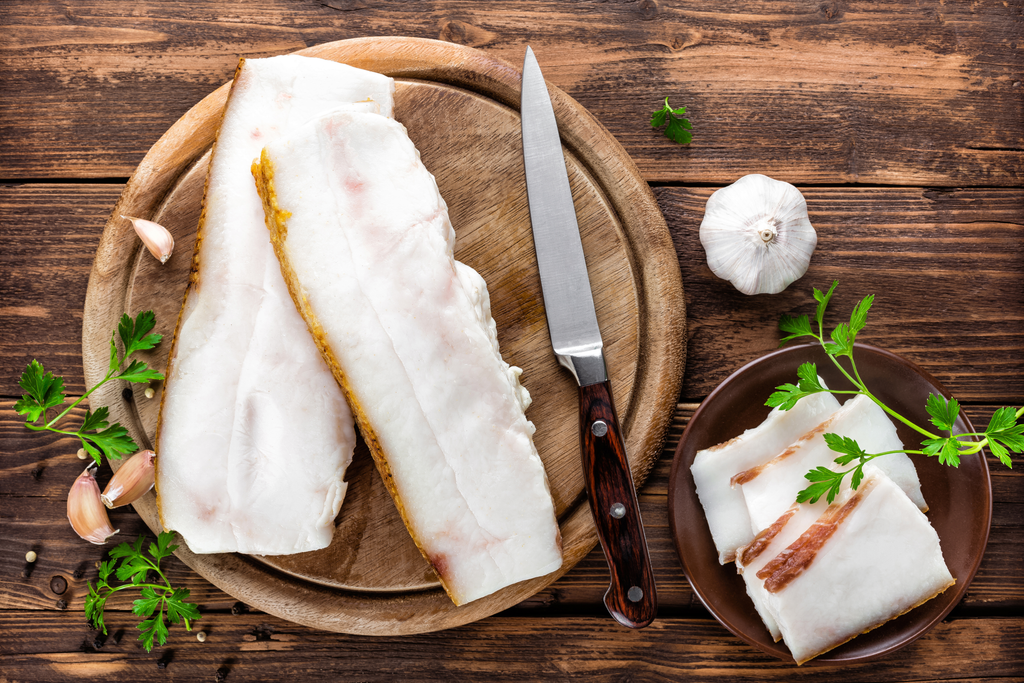
Suet is the hard, white fat from around the kidneys and loins of cattle. Its firmness signals a highly saturated fat, and that saturation is why suet renders into the firmest, whitest, mildest tallow. The Weston A. Price Foundation's rendering guide notes that tallow from this hard interior kidney fat keeps longer than tallow from trimmings because it is more saturated. Ordinary trimmings, the softer fat cut from under the hide or off roasts, still render perfectly well. Just expect a softer, slightly beefier result. Pork has the same split: the fat around a pig's kidneys becomes leaf lard, the mild, prized version of lard.
Sourcing is easier than most people expect. Ask the butcher counter for beef suet or fat trimmings; many shops sell it cheaply and some give it away. Local farms that sell beef by the quarter often discard the fat, so asking for it does them a favor. Grass-fed fat is worth requesting, and it is the only kind FATCO uses. If nobody nearby has any, our guide to finding beef fat for sale covers online sources and fair prices.
Equipment is kitchen-basic: a heavy-bottomed pot, Dutch oven, or slow cooker, a sharp knife, a fine-mesh strainer, cheesecloth, and clean glass jars with lids.
Wet vs. Dry Rendering: An Honest Comparison
Dry rendering melts the fat with no added water. Wet rendering simmers the fat in a pot of water, then skims the solidified tallow off after everything cools. Both produce real tallow; they trade different things away.
Dry rendering gives you deeper flavor, a drier finished fat, and the longest shelf life. The costs are a noticeably beefy kitchen while it renders and a real risk of scorching if you rush the heat. Wet rendering runs cooler, because water caps the temperature at a simmer, so it is nearly impossible to burn and much easier on the nose. Its weakness is the water itself: any moisture left behind in the finished fat invites spoilage and early rancidity. Wet-rendered batches need careful drying and are safest stored cold.
FATCO's own tallow is dry-rendered at controlled temperatures and then triple-filtered. Low, waterless heat protects the fat-soluble vitamins that make grass-fed tallow interesting for skin in the first place.
How to Make Beef Tallow in 5 Steps
The steps below describe dry rendering, the method we recommend and the one FATCO uses. The wet variation is noted where it differs.
Step 1: Start Cold and Trim Well
Chill the fat in the freezer for 30 to 60 minutes before you start. Cold fat cuts cleanly instead of smearing. While you cut, trim away any bits of meat, blood, or gristle. Those scraps are what scorch, darken the batch, and push the finished tallow toward a strong beefy smell.
Step 2: Cut It Small
Cut the fat into pieces of roughly half an inch, or ask the butcher to grind it for you. Small, even pieces expose more surface area, so the fat renders faster and more completely. Big chunks leave fat trapped inside the cracklings, which is yield you paid for and did not get.
Step 3: Melt It Low and Slow
Put the fat in your pot over the lowest burner setting, or in a slow cooker on low for six to eight hours. The oven works as well: the Weston A. Price Foundation renders in a low oven around 220°F. A big batch can take 12 hours or more that way, but scorching is nearly impossible. Stir now and then. The batch is done when the pieces have shrunk into golden-brown cracklings and the liquid runs clear. For wet rendering, cover the fat with a few inches of water and hold it at a bare simmer instead.
Step 4: Strain, Then Strain Again
Pour the hot fat through a fine-mesh strainer to catch the cracklings, then through a cheesecloth-lined strainer for a second, finer pass. Every extra pass makes the tallow cleaner, milder, and longer-lasting. Salt the cracklings and eat them; they are the cook's bonus. For wet rendering, chill the whole pot overnight, lift off the hardened disc of tallow, scrape the underside clean, and gently reheat it to steam off remaining moisture.
Step 5: Jar, Cool, and Label
Pour the strained tallow into clean, dry glass jars and let it cool at room temperature. It will set into a solid, creamy white fat; trim-fat batches often cure slightly yellow, which is normal. Lid the jars once cool, label them with the date, and store them away from heat and light.
Wet vs. Dry Rendering at a Glance
Practical guidance from our own rendering and the home renderers we trust:
| Dry rendering | Wet rendering | |
|---|---|---|
| Time | 2 to 4 hours on the stovetop, 6 to 8 in a slow cooker | A similar simmer, plus overnight chilling to lift the fat |
| Kitchen smell | Noticeably beefy while it renders | Much milder; the water keeps the aroma down |
| Result | Deeper flavor, drier fat, golden cracklings | Whiter, milder tallow with a wetter finish |
| Shelf life | Longest, if fully rendered and well strained | Shorter unless every trace of water is dried off |
| Scorch risk | Real on a stovetop, low in an oven or slow cooker | Nearly zero; water caps the temperature |
How to Store Beef Tallow and How Long It Lasts
Plan on six months to a year in a cool, dark cupboard, about a year in the refrigerator, and two years or more in the freezer. Those are planning numbers, not guarantees. No agency publishes an official shelf life for homemade tallow, so honest guidance is the best anyone can offer.
The variable that matters is water. Oregon State University Extension food-safety staff note that a properly rendered fat has all moisture removed. That is exactly what lets a purified fat sit at room temperature the way a bottle of cooking oil does. The Weston A. Price Foundation goes further: tallow stored airtight in a cool, dark place can keep for years without going rancid. Your nose is the referee either way. Rancid fat smells sour, painty, or like old crayons, and a batch that smells like that goes in the bin, not the fryer.
Storage habits that stretch the timeline: airtight glass jars, clean and dry utensils, and smaller jars so most of the batch stays sealed. Anything wet-rendered belongs in the fridge or freezer. A finished quart goes further than you might think, too. Frying, roasting, and seasoning cast iron cover the kitchen, and a clean, well-strained batch opens a second list of ways to use beef tallow on skin and hair.
Common Rendering Mistakes
- Rushing the heat. High heat scorches the solids and gives you brown, bitter, aggressively beefy tallow. Low and slow is the entire recipe.
- Leaving meat on the fat. Every scrap of muscle or blood darkens the batch and adds smell. Trim more than feels necessary.
- Cutting pieces too large. Big chunks render slowly and incompletely, leaving yield locked in the cracklings.
- Straining once, coarsely. Fine particles left in the fat spoil first and carry odor. Cheesecloth on the second pass is not optional if you want a clean batch.
- Jarring it wet. Mostly a wet-rendering hazard: trapped moisture is the fastest route to a rancid jar. Dry the lifted disc before you melt and jar it.
- Storing it warm and bright. Heat and light speed up oxidation. A cupboard beats the counter, and the fridge beats both.
Cooking-Grade vs. Skincare-Grade Tallow
Any clean, well-strained batch of homemade tallow is cooking-grade, and that is nothing to apologize for. Skincare-grade is a stricter standard, and filtration is most of the difference.
Plenty of people moisturize with kitchen tallow, and a carefully strained suet batch may serve you well. The gap shows up in consistency. A skincare tallow wants three things: grass-fed suet rather than mixed trimmings, controlled waterless heat, and repeated filtering that strips out the last traces of solids and smell. FATCO's standard is exactly that: suet-sourced, grass-fed, dry-rendered, triple-filtered. Hitting all three marks batch after batch is hard in a home kitchen. The distance between a rushed batch and a controlled one is why not all tallow is created equal.

Got Questions?
Rendering Tallow FAQ
Q How long does homemade beef tallow last?
Plan on six months to a year at room temperature, about a year refrigerated, and two years or more frozen. That assumes a fully rendered, well-strained batch in an airtight jar. Leftover water or food particles shorten those numbers, and a sour or painty smell means the batch is done.
Q Do I need suet to make tallow?
No. Any beef fat renders into tallow, including ordinary trimmings from steaks and roasts. Suet, the hard fat from around the kidneys, simply gives the best result: firmer, whiter, milder, and longer-lasting. Use trimmings for everyday frying tallow and save suet for batches you want clean and neutral.
Q Why does my tallow smell like beef?
Usually because the heat got too high, meat scraps were left on the fat, or the batch came from trimmings rather than suet. A light beefy note is normal in dry-rendered tallow. To reduce it, render lower and slower, strain through cheesecloth more than once, or wet-render the next batch.
Q What is the difference between wet and dry rendering?
Dry rendering melts the fat alone over low heat; wet rendering simmers it in water and skims the solidified tallow after chilling. Dry gives deeper flavor and a longer shelf life. Wet keeps the kitchen smell down but risks leaving water behind, which shortens shelf life.
Q Can I make beef tallow in a slow cooker?
Yes, and it is the most forgiving method. Set the cooker on low, add the chopped fat with no water, and let it render for six to eight hours, stirring occasionally. The gentle, steady heat makes scorching almost impossible, which is the main way stovetop batches go wrong.
Q Can I use homemade tallow on my skin?
You can, and many people do; well-strained suet tallow has a long history as a skin fat. The honest caveat is consistency, because home batches vary in purity and smell. FATCO exists for that reason, dry-rendering and triple-filtering grass-fed suet so every jar comes out skincare-grade.
Rather Skip the Rendering?
Fair enough. Rendering is easy, but sourcing good suet, babysitting a pot, and filtering until the smell is gone is a Saturday, not five minutes. If you want tallow for the kitchen, our guide on where to buy tallow covers ready-made options and what to check on the label. If you want tallow for your skin, that is the entire reason FATCO exists. We start with grass-fed suet, dry-render and triple-filter it, and turn it into balms, butters, and deodorants, from Body Butta to Fat Sticks to Stank Stop. Either way, you now know exactly what good tallow takes, and how to spot it when someone else made it.