Beef Tallow Benefits: What the Research Actually Shows


Is beef tallow healthy? That depends on which question you are actually asking. As a cooking fat, tallow is roughly half saturated fat, which drops it into a debate that mainstream nutrition science has not settled. As a skin ingredient, the picture is quieter and better supported, because tallow shares several fatty acids with human skin. Same rendered fat, two very different bodies of evidence. This article keeps them apart.
Beef Tallow Benefits — Quick Answer
- Shares fatty acids with skin: Palmitic, stearic, oleic and linoleic acid all appear in both tallow and the epidermis. (Source: 2024 Cureus scoping review)
- Moisturizes dry and reactive skin: Melts at body temperature, softens and seals in one pass, without silicone film
- Short ingredient list: No sulfates, parabens or synthetic fragrance — commonly used on eczema-prone and reactive skin
- Heat-stable for cooking: Less than 2% polyunsaturated fat means it oxidizes less than seed oils at high temperatures
- Grass-fed quality advantage: Measurably more CLA and a better omega-6 to omega-3 ratio than grain-fed tallow
Key Takeaways
- Tallow is about half saturated fat. A Weston A. Price Foundation gas chromatography analysis measured grass-fed tallow at 50.4% saturated, 46.3% monounsaturated, and 1.9% polyunsaturated.
- Mainstream guidance says limit it. Federal dietary guidance caps saturated fat at under 10% of daily calories, and the American Heart Association aims lower still.
- The revisionist case is real but unresolved. Large cohort analyses have repeatedly failed to link saturated fat to heart disease, while trial evidence still favors cutting it.
- Heat stability is the strongest cooking argument. At under 2% polyunsaturated fat, grass-fed tallow carries far less of the fraction that oxidizes than polyunsaturated oils do.
- Skin is the better-evidenced side. A 2024 scoping review found tallow looks biocompatible with skin, which is the use FATCO has built its whole line around.
What Is Beef Tallow?
Beef tallow is rendered beef fat. Fat trim or suet, the firm kidney fat, is melted slowly, strained, and cooled into a solid white block that keeps for months. Nothing is added. That is the entire process, and it is why tallow shows up in every traditional kitchen and apothecary going back centuries.
The composition is where the real answer lives. A Weston A. Price Foundation fatty acid analysis of grass-fed beef tallow found oleic acid at 37.55%, palmitic acid at 27.45%, and stearic acid at 17.45%. Grouped by type, that sample came out at 50.4% saturated fat, 46.3% monounsaturated, and only 1.9% polyunsaturated. USDA reference data for commodity tallow lands close on the first two, at 49.8g saturated and 41.8g monounsaturated per 100g.
Two details matter for everything that follows. First, tallow is not purely saturated. Its single largest fatty acid is oleic acid, the same monounsaturated fat that dominates olive oil. Second, the polyunsaturated fraction is tiny, and that fraction is the part of any fat most vulnerable to heat.
What the cattle ate changes the numbers. The same analysis measured grain-fed tallow at 3.45% polyunsaturated fat, nearly double the grass-fed figure. Research published in Nutrition Journal in 2010 found grass-finished beef carried two to three times more conjugated linoleic acid and roughly three times the vitamin E. So tallow quality varies a lot between products that carry the same word on the label.
Is It Healthy to Eat Beef Tallow?
Here is the part most tallow articles skip. Eating tallow means eating saturated fat, and every major health body currently recommends eating less of it, not more.
The Dietary Guidelines for Americans limit saturated fat to less than 10% of calories per day. On a 2,000 calorie diet that works out to about 22g. The American Heart Association is stricter, targeting less than 6% of total calories. One tablespoon of tallow carries roughly 6.4g of saturated fat.
The trial evidence backs that guidance. A 2020 Cochrane review pooled 12 long-term trials covering 53,758 people and found that reducing saturated fat cut combined cardiovascular events by 17%. The American Heart Association's 2017 presidential advisory in Circulation found that replacing saturated fat with polyunsaturated vegetable oil lowered cardiovascular disease by around 30%.
The counter-case is not fringe, though. A 2010 meta-analysis in the American Journal of Clinical Nutrition pooled 21 prospective cohort studies covering 347,747 people and found saturated fat intake not associated with increased risk of coronary heart disease, stroke, or cardiovascular disease overall. Both findings are real. The honest summary: nobody has declared a winner.
Why Is Beef Tallow Good for Cooking?
Heat stability is the strongest argument for tallow in the kitchen, and it is a compositional one rather than a nutritional one.
Polyunsaturated fat is the fraction of any oil most vulnerable to oxidation at sustained high heat. Grass-fed tallow measures under 2% polyunsaturated, against figures many times higher for common seed oils. Its smoke point sits around 400°F, which covers searing, roasting and frying. That combination is why tallow held the fryer for most of the twentieth century before it was replaced on cost and cholesterol grounds.
For neutral flavor, grain-fed tallow works fine. Grass-fed carries a richer beef note that suits potatoes and roasting better than delicate work.
What Are the Benefits of Beef Tallow for Skin?
The skin side of beef tallow benefits rests on firmer ground than the diet debate, and the reason is compositional rather than nutritional.
A 2024 scoping review in Cureus screened 147 papers and included 19, concluding that tallow looks biocompatible with human skin. The authors note that palmitic acid, stearic acid, oleic acid, and linoleic acid all appear in both tallow and the epidermis. Nothing about tallow reads as foreign to the outer layer of skin.
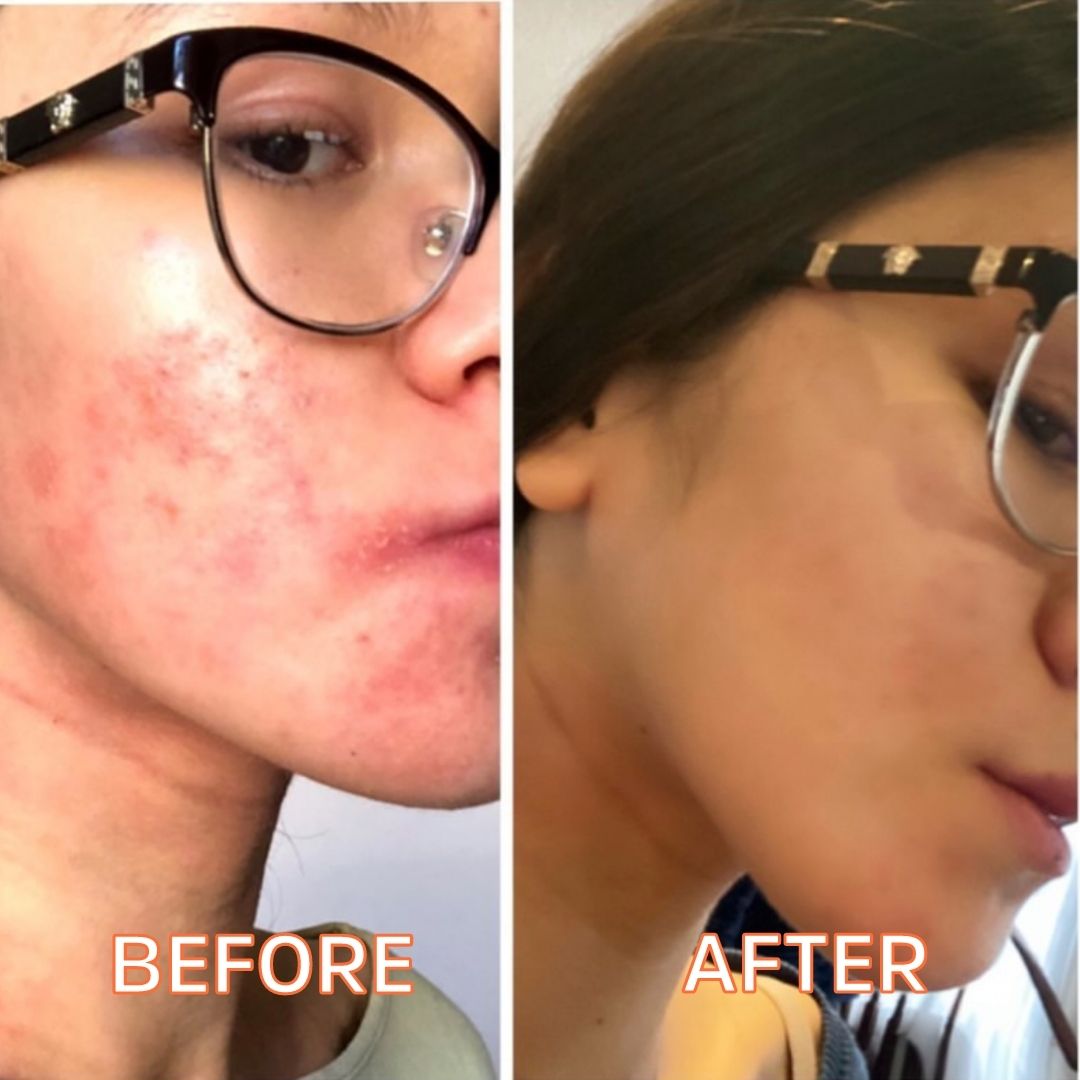
That overlap explains the behavior people describe. Tallow melts at body temperature, softens the surface and slows water loss in the same pass, and leaves skin comfortable without the tacky film heavier occlusives can leave. It is why tallow suits dry, tight, and reactive skin, and why so many people reach for it when the usual lotions stop helping. Plenty of readers come to it while looking for something gentle enough for eczema-prone skin, and the before-and-after skin results people share tend to run on weeks rather than days.
The same review is candid about the limits. It flags significant research gaps, notes that most published work on tallow and skin lacks human subjects, and calls for randomized controlled trials. Biocompatible is a fair claim. Clinically superior is not. On pores, tallow has never been formally rated for comedogenicity — any number you see quoted is not from a published scale — so patch test before putting anything new on your face.
Who Should Avoid Beef Tallow?
It is still a saturated fat. A tablespoon uses close to a third of the 2,000 calorie daily limit in saturated fat. Volume matters more than virtue here.
Personal risk changes the math. If you have high LDL cholesterol, existing heart disease, or a family history of it, this is a conversation for your doctor, not a blog.
Sourcing decides quality. Grass-fed and grain-fed tallow are measurably different fats, and "beef tallow" on a label tells you nothing about pasture, rendering, or filtering. It is worth knowing where your tallow comes from.
The skin evidence is thin, not absent. Compositional compatibility is well documented. Head-to-head clinical superiority is not, and no honest brand should claim it.
It is an animal product. Tallow is not vegan, and no amount of sourcing quality changes that.
Got Questions?
Beef Tallow Benefits FAQ
What is beef tallow?
Beef tallow is rendered beef fat, usually made from suet or fat trim that is melted slowly, strained, and cooled into a firm block. Nothing is added. It is shelf-stable for months and used both as a cooking fat and as a skincare base.
What are the benefits of beef tallow for skin?
Beef tallow shares several fatty acids with the skin's own barrier — palmitic, stearic, oleic and linoleic acid. A 2024 scoping review in Cureus found tallow biocompatible with human skin. It moisturizes dry and reactive skin, and its short ingredient list means fewer things to react to.
Is beef tallow healthy?
It depends on the use. For skin, the evidence is reasonably favorable, since tallow shares fatty acids with the epidermis. For eating, tallow is about half saturated fat, and all current dietary guidance recommends limiting saturated fat, so moderation is the honest answer.
What are the benefits of beef tallow for cooking?
Beef tallow is exceptionally heat-stable because it contains less than 2% polyunsaturated fat — the fraction most vulnerable to oxidation. It handles searing, roasting and frying well without breaking down the way polyunsaturated seed oils can at sustained high heat.
Is beef tallow good for your face?
For most skin types, yes. Tallow's fatty acid profile overlaps with the skin's own barrier lipids, so it moisturizes without synthetic ingredients. Patch test before applying anything new to your face, particularly if your skin is acne-prone.
Does beef tallow clog pores?
Tallow has never been formally rated for comedogenicity, so any specific rating quoted for it is not from a published scale. It is generally considered low risk because its fatty acids are similar to those the skin produces naturally, but all skin is individual — patch testing before full-face use is the prudent approach.
Is all beef tallow the same?
No. Grass-fed tallow tested at 1.9% polyunsaturated fat against 3.45% for grain-fed, with more conjugated linoleic acid and vitamin E. Rendering and filtering vary too, which is why FATCO sources only grass-fed, pasture-raised tallow.
The FATCO Alternative
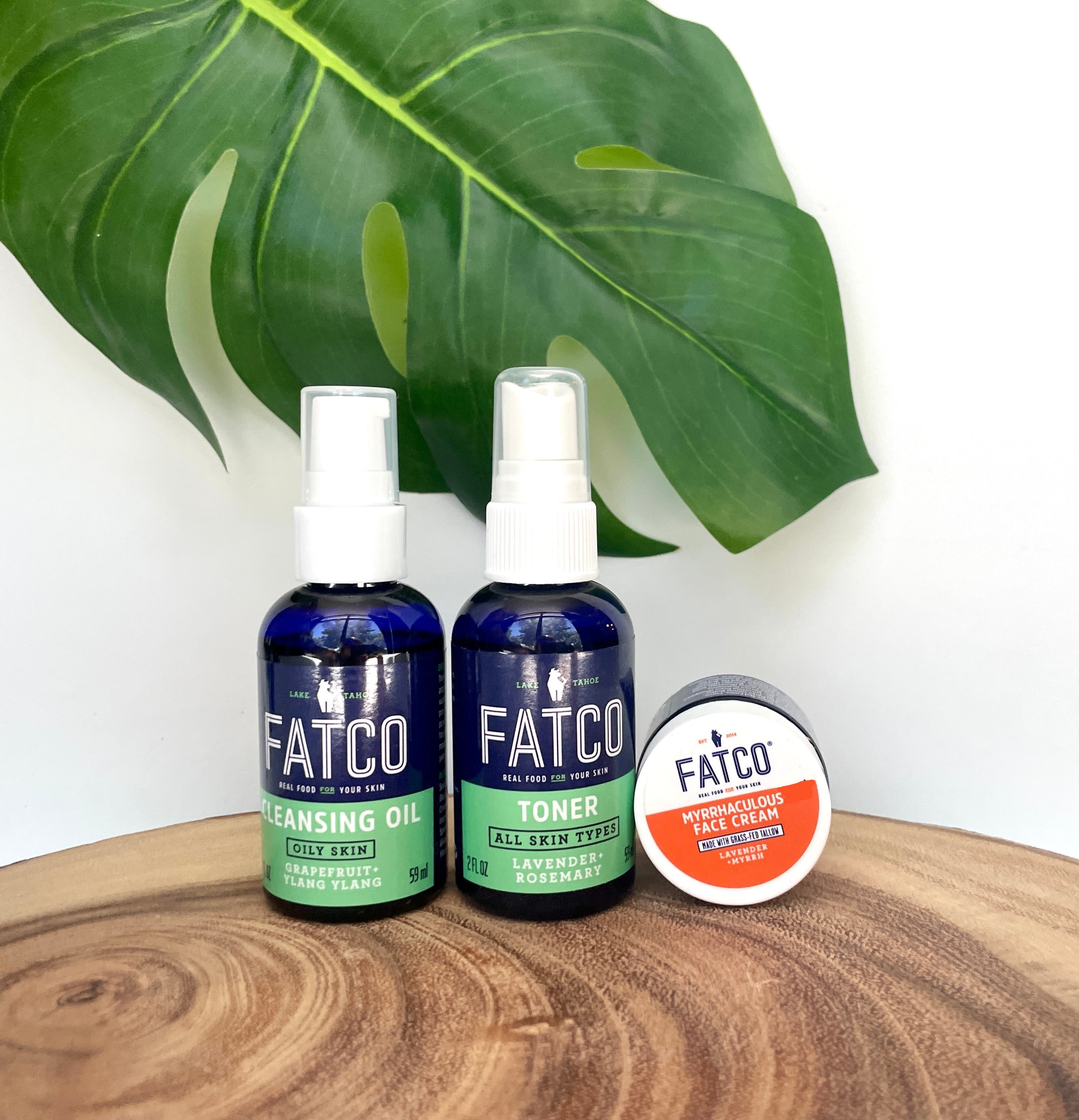
FATCO has never argued that tallow is a superfood, because it does not need to be. We make skincare, and skin is where the fat makes the clearest sense. Every FATCO product starts with tallow from the kidney fat of grass-fed, pasture-raised cows, combined with a short list of simple ingredients and essential oils instead of synthetic fragrance. No parabens, no sulfates, nothing your skin has to decode.