Hand Moisturizer: Why Hands Dry Out Faster Than the Rest of You

Hands dry out faster than the rest of you for two structural reasons, and neither one is the cream you bought. The palms have no oil glands at all, so that skin cannot re-oil itself the way your face does. And hands get washed more than any other skin on your body, with every wash taking a little more fat off the surface.
Key Takeaways
- Palm skin cannot re-oil itself. Sebaceous glands sit almost everywhere in human skin except the palms and soles, so nothing there replaces what washing removes.
- Thicker is not better protected. Palm epidermis runs several times thicker than skin elsewhere and still loses water at a notable rate.
- Every wash is a small subtraction. The World Health Organization describes frequent handwashing as progressively depleting the lipids on the skin surface.
- Timing matters more than the formula. Daytime applications keep getting rinsed away. The one that survives is the one after the last wash of the day.
- FATCO makes no hand cream. The two things in the range that suit hands, the Fat Stick and Baby Butta, were built for other jobs and happen to fit this one.
Why Hand Skin Is Not Like the Rest of Your Skin
Sebaceous glands are the structures that push sebum onto the skin surface, and almost all of them are attached to a hair follicle. That anatomy decides where they can exist. Anatomists at Friedrich-Alexander-Universität Erlangen-Nürnberg compared human sebaceous glands in 2024. Their description is that the glands are widespread and abundant in the skin of the face, scalp and most skin areas except the palms and soles.
Read that back with a bottle of hand soap in mind. Your face restocks its surface oil through the day. Your palms have nothing to restock with. Whatever fat sits on them arrived from somewhere else, and most of it came out of a bottle.
Thickness does not close the gap. A 2024 review of skin structure in the journal Pharmaceutics puts human epidermis at 60 to 100 micrometres in most places and up to 600 in the palms and soles. The same review says the amount of lipids is much lower in these regions. Despite the considerable thickness, it records a notable degree of water loss through the skin.
Hands do have plenty of glands. They are sweat glands, and the palms carry them in abundance. Sweat is mostly water and salts, so it wets the surface and then evaporates. It never seals.
Then there is the other side of the hand. The back is thin, carries fine hair, does have oil glands, and takes the wind, the cold and the sun. So a single hand gives you two problems: a glandless palm and an exposed, thin-skinned back.
What Every Wash Actually Takes
Hand washing is not one event repeated. It is a subtraction that accumulates. The World Health Organization's hand hygiene guidelines say it directly: frequent handwashing leads to progressive depletion of surface lipids, with detergents then acting deeper into the superficial skin layers. The same page adds that in dry seasons, and in people whose skin is already dry, this lipid depletion happens more quickly.
That guidance also names hot water among the things that contribute to dermatitis from frequent hand cleansing, alongside low humidity and failing to use a supplementary hand cream. So the fix list starts before the moisturizer aisle. Cooler water, less time under it, and something applied afterwards rather than only at bedtime.
One thing that will not fix it is a better bar of soap. True soap is alkaline whatever fat it is made from, which is why choosing a wash for irritated skin tends to lead away from bars altogether, ours included.
Everything else that dries skin still applies to hands, only faster. Heated indoor air, cold outdoor air and falling oil production with age work on hands exactly as they work on the rest of your skin. Hands simply have less in reserve.
What to Look For in a Hand Moisturizer
Because the missing thing is fat rather than water, a hand product should be weighted toward sealing. A light lotion is mostly water, and on hands that water is gone by the next rinse.
This does not make humectants useless. It makes them insufficient on their own. Glycerin and urea pull water toward the surface, and something has to hold it there afterwards. Knowing what seals versus what sinks in matters more on hands than anywhere else, because the seal is the part that gets washed off ten times a day.
Format decides whether you use it at all. In practice hands want two products rather than one: something that lives beside the sink you use most, and something small enough to stay in a pocket or a bag. A single tub in the bathroom loses to a working day.
How to Choose: Formats That Suit Hands
| Option | When it fits | What does the sealing | The trade-off |
|---|---|---|---|
| FATCO Fat Stick, 0.5 oz | Cuticles and knuckles, kept in a pocket | Beeswax and tallow | Too small for whole hands, and four of the five are scented |
| FATCO Baby Butta | The overnight layer, whole hands | Tallow, shea butter, beeswax | Waterless and unpreserved, so clean dry fingers matter |
| A petrolatum ointment | Split fingertips and cracked knuckles, overnight | Petrolatum | Heavy and shiny, which makes daytime use awkward |
| A pump cream at the sink | After each wash, through the day | Varies with the formula | Only works if it is genuinely within reach of the tap |
| A bar of soap | Washing, and nothing else | Nothing | True soap is alkaline, so it belongs on the problem side |
Timing Beats Formula on Hands
Here is the part most hand-cream advice skips. Every daytime application is temporary by design, because the next wash removes it. That is not an argument for skipping them. It is an argument for noticing that one application is different from the others.
The last wash of the day is the one that counts most, because nothing rinses your hands for the next eight hours. That is the only window where an occlusive layer stays put long enough to finish its job. It is why a heavy ointment that would be unbearable at ten in the morning is fine at ten at night.
Aquaphor Healing Ointment is the obvious thing to reach for in that window, and we would rather say so than pretend we make one. Its own page lists petrolatum at 41 percent as the active ingredient, describes the product as preservative and fragrance free, and names cracked hands among what it is for. The brand posts no price on that page, so there is no figure to quote here.
None of this replaces the daytime habit. Keep something by the sink and use it after washing, then put something heavier on before bed. The two applications are doing different work.
When It Is Not Just Dry Hands
There is a point where a better moisturizer stops being the answer, and the American Academy of Dermatology marks it clearly. Its hand eczema page says the condition "can easily be mistaken for dry skin". It adds: "Unlike dry skin, you need more than a good moisturizer to get rid of hand eczema."
The routing is not a countdown. The academy's line is that if you have extremely dry, painful hands and using moisturizer throughout the day fails to bring relief, you may have hand eczema. Without treatment and preventive measures, it tends to worsen. The same page notes that even water can irritate skin if your hands are often wet. Nurses, hair stylists and plumbers appear on its list for that reason.
If a dermatologist does find eczema, the daily moisturizer still has a place between flares. Choosing a cream without steroids for maintenance sits alongside a treatment plan rather than standing in for one.
Got Questions?
Frequently Asked Questions
Q Why are my hands so dry even after lotion?
Usually because the lotion is mostly water and the next wash takes off what is left. Palms have no oil glands to replace it. Move to something heavier, apply after every wash rather than once a day, and add an occlusive layer at night.
Q What hand lotion do dermatologists recommend?
Dermatology guidance describes formats rather than brands. The American Academy of Dermatology's position on hand eczema is that a moisturizer alone may not be enough and that finding the irritant comes first. For ordinary dryness, look for a fragrance-free cream or ointment instead of a light lotion.
Q What are very dry hands a symptom of?
Most often frequent washing, wet work, and cold or heated air. Hands that stay dry and painful despite daily moisturizer may have hand eczema, which the academy says needs more than a cream. Cracks that bleed, or skin that looks infected, deserve an appointment.
Q How do you treat extremely dry hands?
Cut the exposure first, then seal what is left. Use warm rather than hot water, wash only as much as the task requires, and moisturize after each wash. At night, when nothing will rinse it away, put a thick ointment or a waterless balm on the worst spots.
Q Do I really need hand cream?
Not a product labelled hand cream, no. What hands need is a richer moisturizer used more often than the one on your legs, because they lose surface fat faster and get washed far more. Any rich cream, balm or ointment works if you keep it within reach.
Q Is it okay to use hand cream as body lotion?
It is fine, though an expensive way to cover large areas, since hand formulas come in small tubes. The reverse direction is more useful. A rich body butter works perfectly well on hands, which is what most people end up doing anyway.
The FATCO Alternative
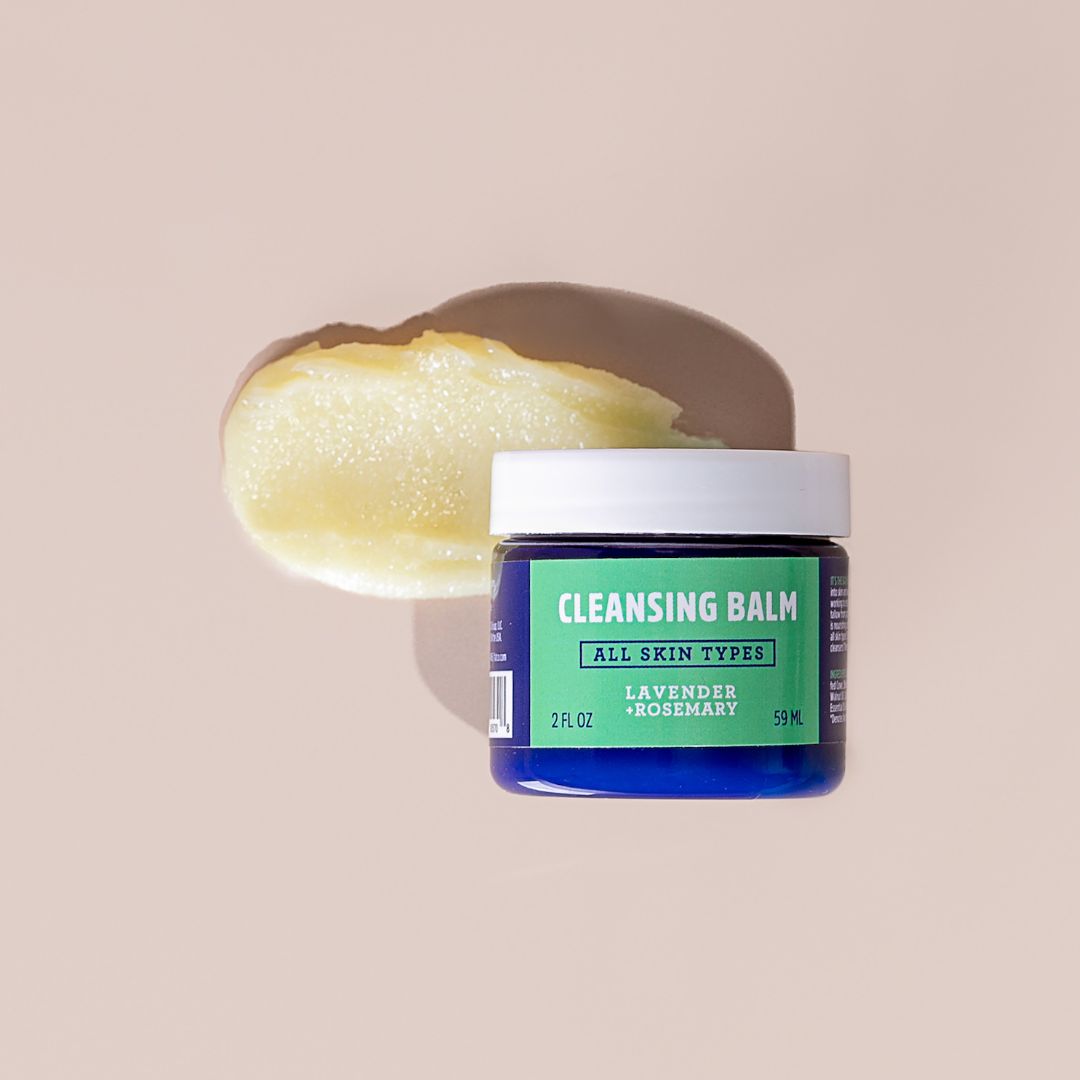
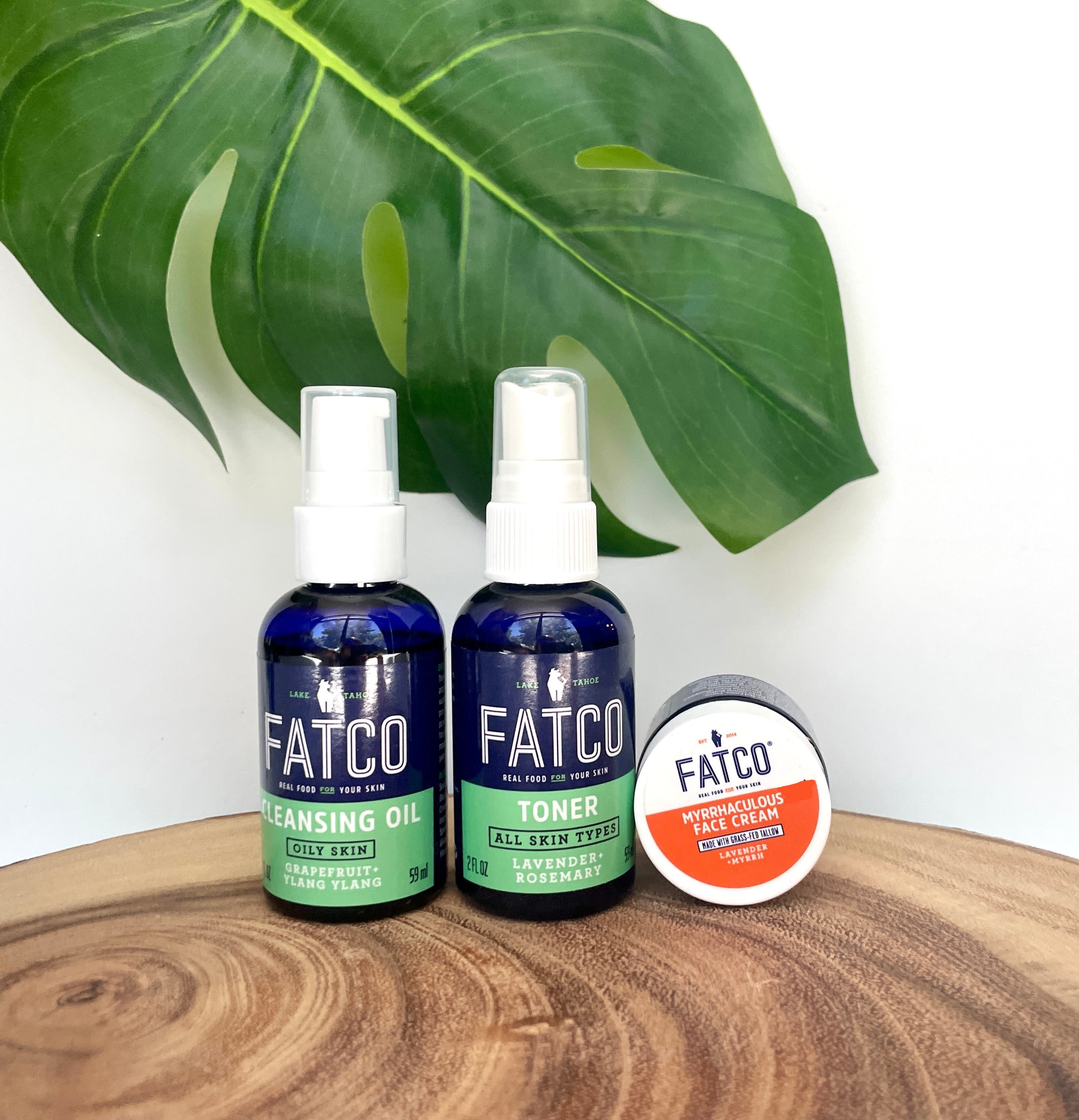
FATCO does not make a hand cream, and an article about hand moisturizer is the wrong place to be vague about that. Two things in the range fit hands anyway. The Fat Stick is a half-ounce twist-up tube, $10 on 4 August 2026. FATCO's own page calls it "a lip balm, cuticle repair and lotion stick packed into a single tube". It carries no water, every scented panel opens with beeswax and puts tallow second or third, and it suits cuticles and knuckles rather than whole hands. Four of the five are scented and the Baby Fat Stick is not. All five list sweet almond oil, which matters if tree nuts are a problem in your house. For the overnight layer, Baby Butta is seven ingredients with nothing added for smell: tallow from grass-fed cows, coconut oil, shea butter, olive, avocado and jojoba oils, and beeswax. It runs $16 for 2 oz, $27 for 4 oz and $48 for 8 oz, all in stock on 4 August 2026, and prices move so check before you buy. Tallow shares fatty acids with the skin's surface lipids, oleic and palmitic in particular, and the overlap is partial rather than a match. The Fat Bar shares the shelf and the tallow, but it is soap.
FATCO Tallow Skincare
Grass-Fed. Suet-Sourced. Dry-Rendered.